正在确认阅读权限…
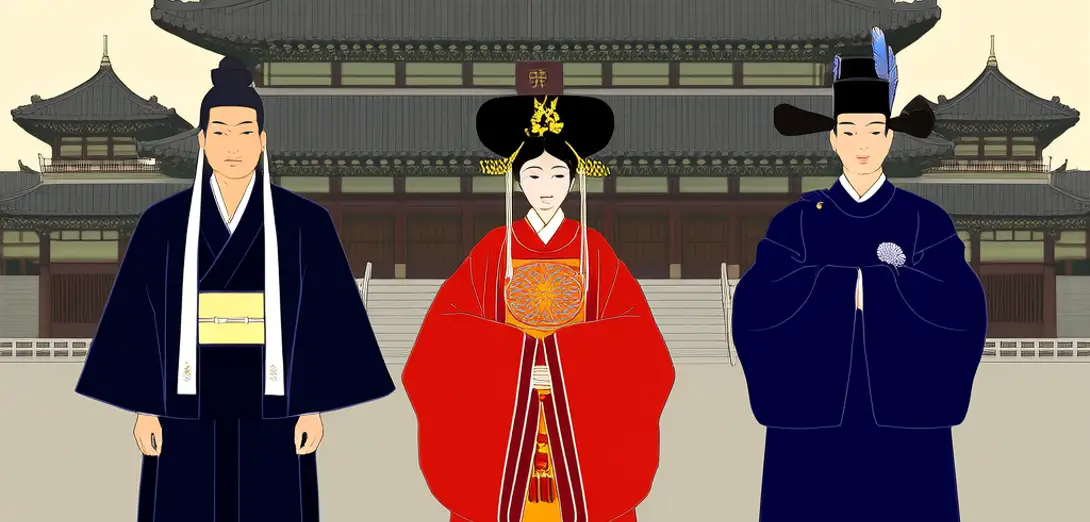
Diplomatic Ritual as Constitutional Practice in Early Modern Asia
早期近代亚洲外交仪礼作为宪制实践
-
Diplomatic ritual in Tokugawa Japan, Joseon Korea, and Qing China functioned not merely as symbolic theater but as binding constitutional grammar governing sovereignty claims.江户日本、朝鲜王朝与清朝的外交仪典,不仅是象征性表演,更是约束主权主张的宪制性规则。
-
The frequency, seating order, gift valuations, and even ink color used in correspondence encoded precise hierarchies of political recognition.使节往来频次、座次安排、礼品估值乃至书信所用墨色,均精确编码了政治承认的等级秩序。
-
When Ryukyu envoys presented tribute in both Edo and Beijing, they navigated overlapping suzerainty claims through calibrated performative ambiguity.琉球使节同时向江户与北京进贡,借精心设计的模糊性表演,在多重宗主权主张间谨慎周旋。
-
Qing officials meticulously recorded Korean envoys’ bowing angles—a metric reflecting compliance with tributary norms and dynastic legitimacy.清廷官员细致记录朝鲜使臣的叩拜角度——这一指标反映其对朝贡规范的遵从程度及王朝正统性。
-
Such rituals constrained policy options: a misstep in protocol could trigger sanctions or delegitimize domestic authority among elite observers.此类仪典限制政策选择:礼仪失当可能招致制裁,或在精英观察者眼中削弱国内权威。
-
Unlike Westphalian treaties drafted in abstract legal terms, East Asian diplomatic instruments relied on embodied precedent and cumulative practice.不同于以抽象法律术语拟定的威斯特伐利亚式条约,东亚外交文书倚重具身化的先例与累积性实践。
-
Missionary accounts often misread these exchanges as mere formality, overlooking their function in stabilizing multi-centered regional order.传教士记述常将此类交往误读为纯粹形式主义,忽视其维系多中心区域秩序稳定的功能。
-
The 1636 Qing conquest of Joseon did not abolish ritual diplomacy but recalibrated its syntax—substituting Manchu titles while preserving ceremonial architecture.1636年清朝征服朝鲜并未废除礼仪外交,而是重构其语法——改用满文头衔,却保留原有仪式架构。
-
Ritual consistency enabled conflict avoidance without requiring ideological convergence or territorial definition.仪典的一致性使冲突得以规避,无须意识形态趋同或领土界定。
-
These practices persisted into the late nineteenth century, resisting Western treaty-port logic until coerced renegotiation under gunboat pressure.这些实践延续至十九世纪晚期,直至炮舰胁迫下的被迫重订条约,方抵触西方通商口岸逻辑。
-
Their erosion marked not just diplomatic modernization but the collapse of an entire normative infrastructure for interstate coexistence.其衰落所标志的,不仅是外交现代化,更是一种整套国家间共存规范基础设施的崩塌。
-
Understanding them requires treating ceremony not as decoration but as constitutive constitutional technology.理解它们,需将仪式视作构成性的宪制技术,而非装饰性点缀。