正在确认阅读权限…
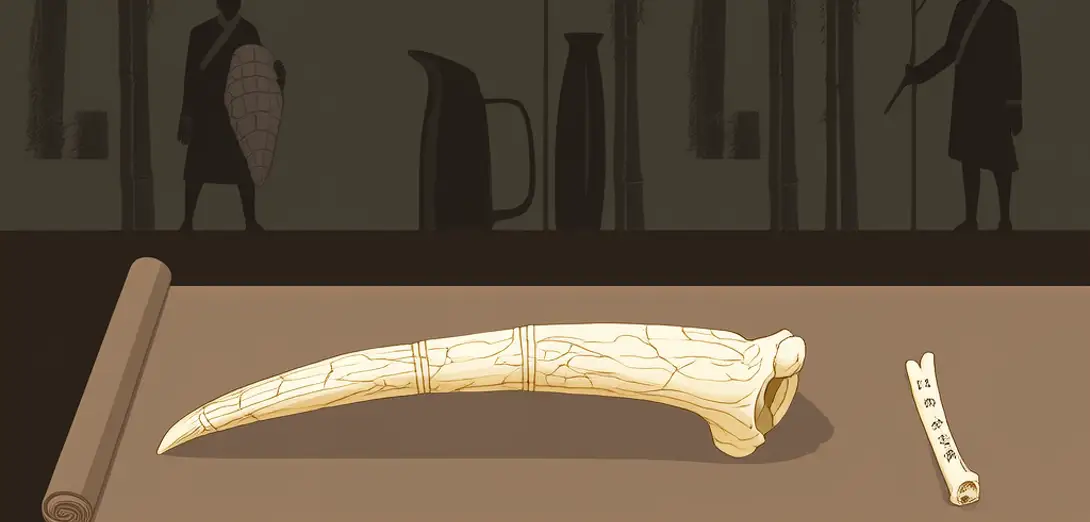
Oracle Bone Inscriptions and the Bureaucratic Codification of Royal Authority
甲骨文与王权的官僚化编码
-
Shang dynasty oracle bone inscriptions constitute the earliest systematic Chinese writing system, primarily recording divination queries addressed to royal ancestors and nature deities.商代甲骨文是中国最早成体系的文字系统,主要记录向先王与自然神灵占卜的疑问。
-
These inscriptions were not spontaneous prayers but standardized administrative acts—commissioned by the king, executed by specialist scribes, and archived in palace repositories.这些铭文并非即兴祈祷,而是标准化的行政行为——由国王下令、专业书吏执行,并存档于宫廷库房。
-
The recurring phrase 'the king divined' signals not personal piety but the monarch’s monopoly over cosmic communication and calendrical authority.反复出现的‘王卜’字样,并非体现个人虔诚,而是彰显君王对天人沟通及历法权力的垄断。
-
Questions about harvest yields, military campaigns, or illness outcomes reflect state priorities, transforming ritual into a tool of predictive governance.关于收成、战事或病愈与否的提问,反映国家核心关切,使仪式转化为预测性治理工具。
-
Scribes employed consistent graph variants and syntactic templates, suggesting early orthographic standardization enforced through scribal training institutions.书吏采用固定字形变体与句法模板,表明早期文字规范已通过书吏培训机构强制推行。
-
Crucially, negative prognostications were rarely recorded—implying selective archiving aligned with political narrative control.关键在于,负面占卜结果极少被记录,暗示档案选择性保存旨在配合政治叙事控制。
-
The physical act of scapulimancy—cracking heated bones—was itself a performative assertion of royal mediation between human and cosmic orders.灼烧肩胛骨以裂纹占卜这一行为本身,即是君王作为人神中介的仪式化宣示。
-
Over time, divinatory records evolved into proto-bureaucratic ledgers, tracking sacrificial quotas, labor conscription, and tributary deliveries.随时间推移,占卜记录逐渐演变为准官僚账簿,登记祭祀配额、劳役征调与贡赋交付。
-
This textual infrastructure predated centralized administration but laid its epistemic foundations by linking writing, ritual, and resource allocation.这套文本基础设施虽早于中央集权行政,却通过联结文字、仪式与资源分配,为其知识基础奠基。
-
Later Zhou bronze inscriptions inherited this logic, substituting ancestral praise for divination while retaining hierarchical syntax and commemorative function.后世西周青铜器铭文承袭此逻辑,以颂扬祖先取代占卜,但保留等级化句法与纪念功能。
-
The Shang archive thus reveals kingship not as charismatic rupture but as iterative, textually mediated institutional construction.因此,商代档案揭示的王权并非魅力型断裂,而是经由文本反复实践构建的制度产物。
-
Its decipherment reshapes our understanding of early state formation—not through conquest alone but through inscriptional discipline.其释读重塑了我们对早期国家形成的理解——不仅依靠武力征服,更依赖铭刻规训。