正在确认阅读权限…
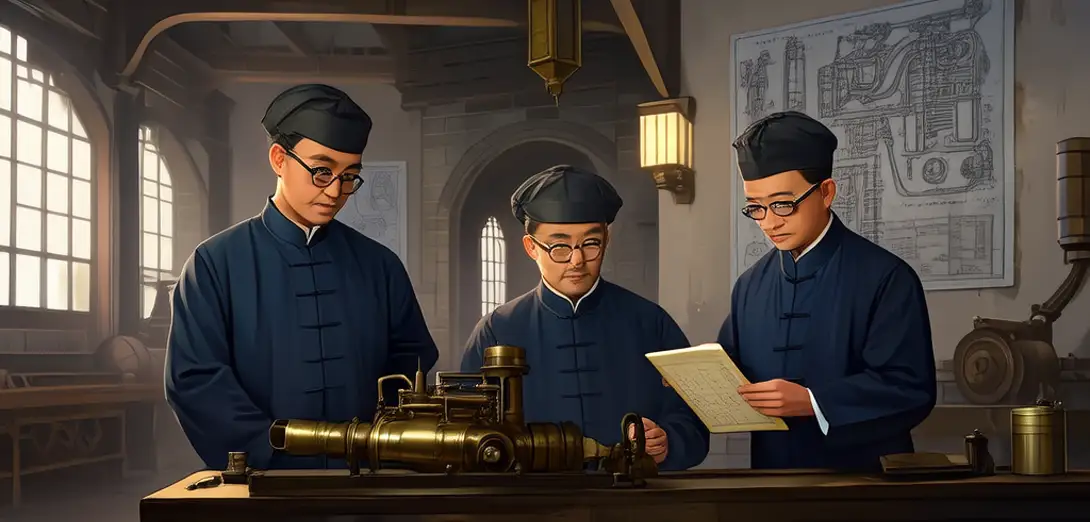
The Self-Strengthening Movement and China’s Industrial Foundations
洋务运动与中国近代工业根基
-
Launched in the 1860s after military defeats, the Self-Strengthening Movement sought technological parity with Western powers without abandoning Confucian governance.1860年代在军事失利后启动的自强运动,旨在实现与西方列强的技术对等,同时不放弃儒家治国理念。
-
Officials established arsenals, shipyards, and telegraph lines—often hiring foreign engineers while training Chinese technicians through apprenticeship.官员们设立兵工厂、造船厂和电报线路,常聘用外国工程师,并通过师徒制培训中国技术人员。
-
The Jiangnan Arsenal produced rifles and steamships, yet relied heavily on imported blueprints and precision components unavailable domestically.江南制造局生产步枪和蒸汽船,却严重依赖进口图纸及国内无法制造的精密零部件。
-
Civilian enterprises like the China Merchants’ Steam Navigation Company aimed to reclaim trade control but faced capital shortages and bureaucratic interference.轮船招商局等民用企业力图重掌贸易主导权,却苦于资金短缺和官僚干预。
-
Language schools taught English and French to enable technical translation, yet graduates often struggled to bridge conceptual gaps between Western engineering logic and Qing administrative culture.语言学堂教授英语和法语以支持技术翻译,但毕业生往往难以弥合西方工程逻辑与清朝行政文化之间的观念鸿沟。
-
Local gentry supported modern schools only when they reinforced elite status—limiting broad curriculum reform or scientific method instruction.地方士绅仅在新式学堂能巩固精英地位时才予以支持,因而限制了课程体系的广泛改革和科学方法的教学。
-
Despite modest output gains, the movement revealed tensions between centralized planning and regional autonomy in large-scale infrastructure projects.尽管产出略有提升,该运动却暴露了大型基建项目中中央统筹与地方自主之间的张力。
-
Its collapse after the 1895 Sino-Japanese War underscored how industrial capacity depends on institutional coherence, not just hardware acquisition.1895年甲午战争失败后运动瓦解,凸显工业能力不仅取决于硬件引进,更依赖制度协调。
-
Modern historians now view it less as failure and more as China’s first systematic attempt to integrate global technology within sovereign frameworks.当代史家不再视其为失败,而更倾向于将其看作中国首次系统性尝试,在主权框架内整合全球技术。
-
The institutional templates it created—state-supervised enterprises, technical academies, and cross-border procurement systems—endured well into the 20th century.它所创设的制度模板——官督商办企业、技术学堂及跨境采购体系——延续至20世纪。