正在确认阅读权限…
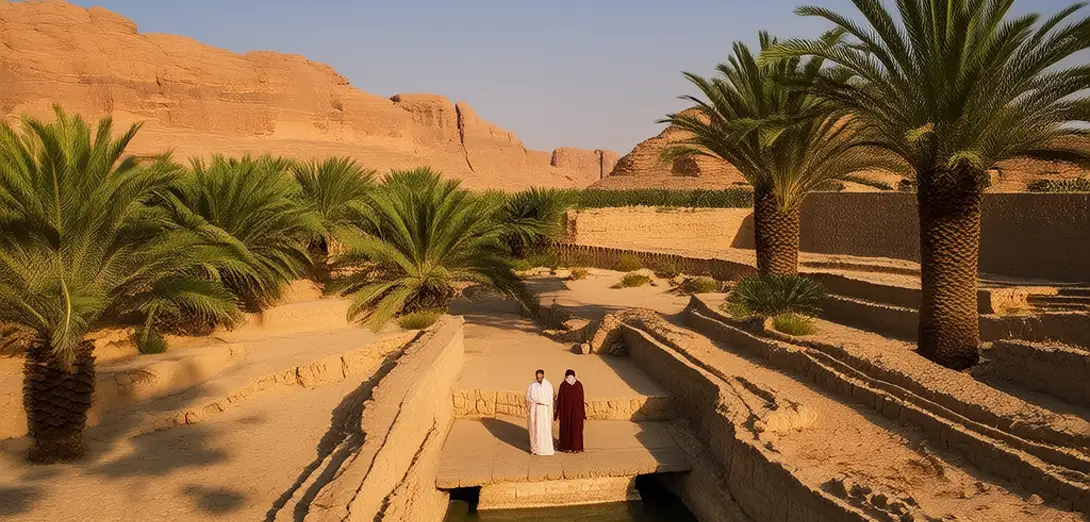
Oman’s Falaj System: Ancient Hydrology and Modern Desalination Pressures in the Dhofar Highlands
阿曼法拉吉灌溉系统:佐法尔高地的古代水文智慧与现代淡化压力
-
Oman’s 3,000-year-old falaj network—gravity-fed stone channels tapping groundwater from limestone aquifers—still irrigates 70% of Dhofar’s date palms and frankincense orchards.阿曼已有3000年历史的法拉吉灌溉系统——依靠重力输送的石砌水渠,从石灰岩含水层汲取地下水——至今仍灌溉着佐法尔地区70%的椰枣林和乳香林。
-
Climate-driven reductions in khareef monsoon intensity since 2005 have lowered aquifer recharge rates, forcing falaj managers to ration water using lunar-cycle-based allocation schedules.自2005年以来,受气候变化影响,哈里夫季风强度减弱,导致含水层补给率下降,法拉吉管理者不得不依据月相周期制定配水方案,实行用水配额制。
-
Meanwhile, coastal desalination plants supply Muscat’s urban growth but discharge hypersaline brine that migrates inland via subsurface flow paths mapped only recently by hydrogeologists.与此同时,沿海海水淡化厂支撑着马斯喀特的城市扩张,但排放的高盐浓盐水正通过水文地质学家近期才绘制出的地下水流路径向内陆迁移。
-
Local falaj councils now cross-reference satellite gravity data (GRACE) with traditional well-depth records to anticipate aquifer stress before visible surface impacts emerge.当地法拉吉委员会如今将卫星重力数据(GRACE)与传统井深记录交叉比对,以便在地表出现明显影响前预判含水层压力。
-
Frankincense harvesters report altered resin viscosity and yield—linked empirically to salinity shifts in root-zone moisture detected through soil conductivity sensors.乳香采集者报告树脂黏度与产量发生变化——经实证关联到根区土壤水分盐度变化,该变化由土壤电导率传感器测得。
-
Urban planners in Salalah increasingly mandate falaj-compatible architecture, requiring rooftop catchments that feed directly into community channels rather than storm drains.萨拉拉市的城市规划者日益强制推行‘法拉吉兼容型’建筑规范,要求屋顶集水系统直接接入社区水渠,而非排入雨水管道。
-
Unlike technocratic solutions, falaj governance operates through consensus-based water courts where disputes over flow division are resolved using calibrated clay vessels—not legal statutes.与技术官僚式方案不同,法拉吉治理依托共识型水事法庭:水流分配纠纷以校准过的陶罐为量具裁决,而非依赖成文法条。
-
Young engineers trained abroad are returning to Dhofar to digitize falaj flow logs while preserving oral histories of channel maintenance passed down through seventeen generations.海外受训的年轻工程师正重返佐法尔,将法拉吉水流日志数字化,同时保存口传十七代的渠道维护技艺。
-
The system’s resilience lies in distributed control: no central authority manages all 450 falajs, yet collective monitoring prevents over-extraction across watersheds.该系统的韧性源于分布式管控:450条法拉吉无统一中央管理机构,却依靠集体监测,防止流域内过度取水。
-
Desalination expansion continues, but Oman’s 2023 Water Security Law formally recognizes falaj hydrology as ‘living heritage infrastructure’ with regulatory parity.海水淡化持续扩建,但阿曼2023年《水安全法》正式将法拉吉水文系统认定为‘活态遗产基础设施’,赋予其同等法律地位。
-
This legal recognition enables falaj cooperatives to access climate adaptation grants—provided they submit geotagged maintenance reports alongside seasonal rainfall poetry.此项法律认定使法拉吉合作社得以申领气候适应资金——前提是同步提交带地理标签的维护报告与季节性降雨主题诗歌。
-
In Dhofar, water justice is measured not in liters per capita but in generational continuity of shared hydrological attention.在佐法尔,水正义不以人均升数衡量,而体现为世代相传的共治式水文关注。