正在确认阅读权限…
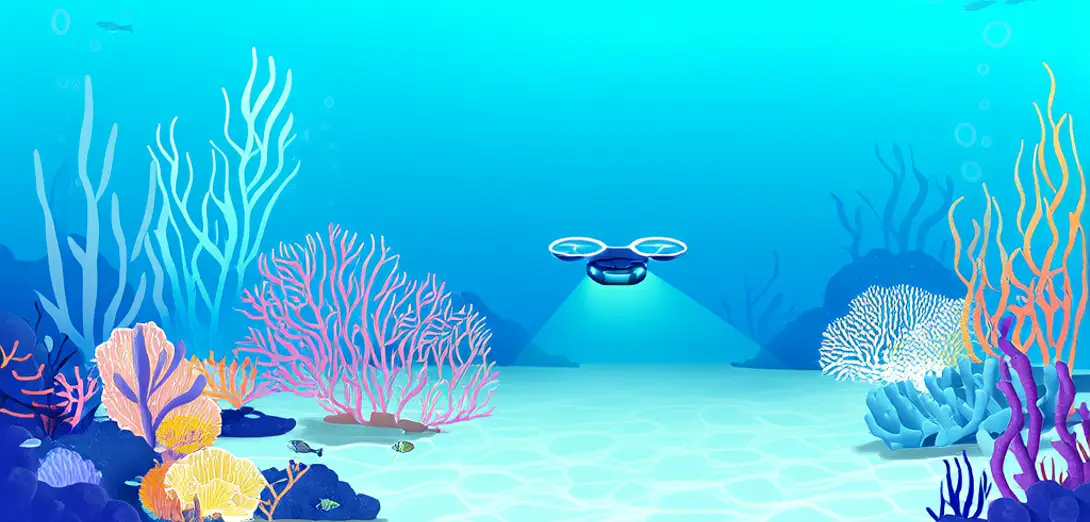
Underwater Drones That Map Coral Health in Real Time
实时测绘珊瑚健康的水下无人机
-
Coral reefs bleach when stressed by warm water, but early signs—like pigment loss—are invisible to satellite or snorkelers.珊瑚礁在暖水胁迫下会白化,但早期迹象(如色素流失)无法被卫星或浮潜者察觉。
-
Autonomous underwater drones now glide slowly over reefs, capturing high-res multispectral images every 30 seconds.自主水下无人机如今缓慢掠过珊瑚礁,每30秒拍摄一次高分辨率多光谱图像。
-
AI algorithms analyze color shifts, texture changes, and polyp movement to assess live coral coverage within 2% error.人工智能算法通过分析色彩变化、纹理差异和珊瑚虫活动来评估活体珊瑚覆盖率,误差仅2%。
-
Unlike scuba surveys, drones cover 5 km² per day without disturbing delicate ecosystems or risking divers.与潜水员调查不同,无人机每天可覆盖5平方公里,且不干扰脆弱生态系统,也无潜水员风险。
-
Real-time data feeds directly to marine managers who adjust fishing bans or freshwater runoff controls immediately.实时数据直接传输至海洋管理者,使其能立即调整禁渔令或淡水径流管控措施。
-
Built-in sonar maps reef topography down to 2 cm resolution—revealing hidden crevices where baby corals settle.内置声呐可将珊瑚礁地形测绘至2厘米分辨率,揭示幼珊瑚定居的隐蔽缝隙。
-
Solar-charged batteries and corrosion-resistant titanium housings let them operate for weeks unattended.太阳能充电电池与耐腐蚀钛合金外壳,使其可连续数周无人值守运行。
-
Schools use simplified dashboards showing reef health scores alongside local sea temperature and pH trends.学校使用简化仪表盘,同步显示珊瑚礁健康评分及当地海水温度和pH值趋势。
-
In Palau and the Maldives, drone data helped reverse bleaching trends in two monitored sites within 18 months.在帕劳和马尔代夫,无人机数据帮助两个监测点在18个月内扭转了白化趋势。
-
Here, robotics, oceanography, and conservation converge—not with loud machines, but quiet, persistent observation.在这里,机器人技术、海洋学与保护工作交汇融合——不靠轰鸣机器,而靠安静持久的观测。