正在确认阅读权限…
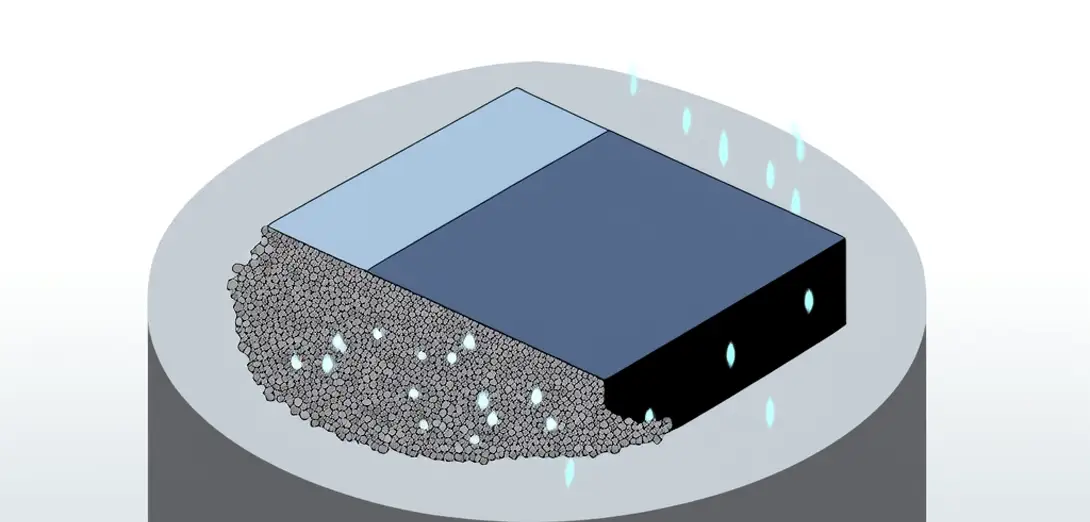
Why Solid-State Batteries Struggle at the Electrode-Electrolyte Interface
固态电池为何在电极-电解质界面遭遇瓶颈?
-
Solid-state batteries replace flammable liquid electrolytes with rigid ceramic or polymer layers to improve safety.固态电池用刚性陶瓷或聚合物层替代易燃液态电解质,以提升安全性。
-
But microscopic gaps form where brittle electrodes meet stiff solid electrolytes during repeated charging cycles.但在反复充放电过程中,脆性电极与刚性固态电解质接触处会形成微观缝隙。
-
These tiny voids increase interfacial resistance, causing voltage drops and uneven lithium-ion flow across the cell.这些微小空隙增大界面电阻,导致电压下降和锂离子在电池内流动不均。
-
Manufacturers use hot-pressing or atomic-layer deposition to smooth contact, yet nanoscale defects persist after thermal expansion.制造商虽采用热压或原子层沉积技术改善接触,但热膨胀后纳米级缺陷依然存在。
-
Unlike liquids that self-heal gaps, solids cannot flow to maintain interface integrity under stress.液体电解质可自行修复缝隙,而固体无法在应力下流动以维持界面完整性。
-
Testing reveals resistance spikes sharply after five hundred cycles unless interfacial coatings like LiNbO₃ are applied.测试显示,若不施加LiNbO₃等界面涂层,500次循环后电阻急剧上升。
-
Scaling up requires roll-to-roll fabrication methods that preserve nanometer-level surface uniformity across square-meter sheets.规模化生产需采用卷对卷制造工艺,在平方米级基材上保持纳米级表面均匀性。
-
Researchers now explore quasi-solid hybrids—gel-infused ceramics—to balance stability and contact reliability.研究人员正探索准固态混合材料——凝胶浸润陶瓷,以兼顾稳定性与接触可靠性。
-
Even lab prototypes lose ten percent capacity per thousand cycles mainly due to interfacial degradation, not bulk material failure.即便实验室原型电池,容量衰减也主要源于界面退化而非体相材料失效,每千次循环损失约10%。
-
Solving this interface puzzle remains the biggest barrier before mass production of safe, dense energy storage.解决这一界面难题,仍是安全、高能量密度储能实现量产的最大障碍。