正在确认阅读权限…
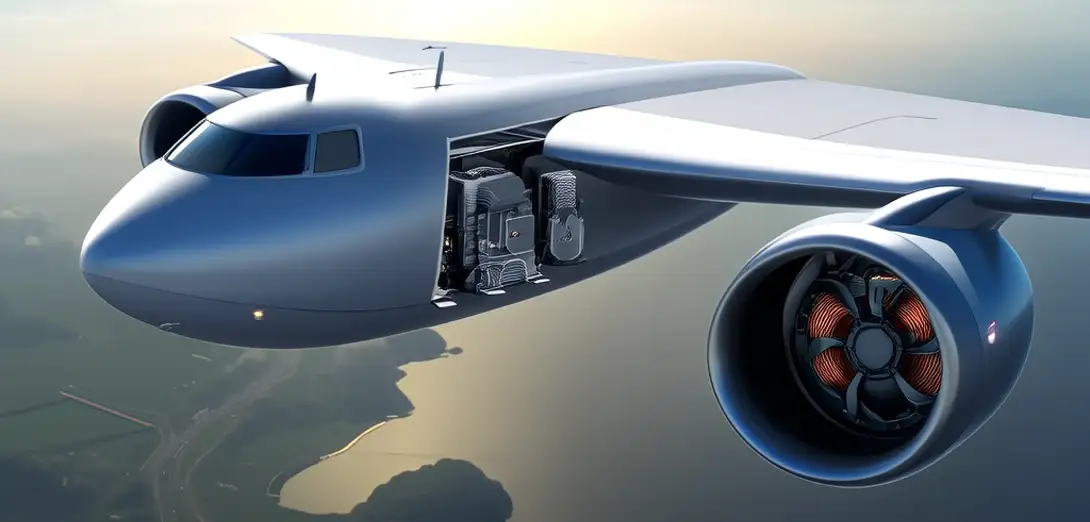
Why Electric Aircraft Propulsion Hits Power Density Limits Today
电动航空推进器功率密度瓶颈
-
Electric aircraft need motors that deliver high power while staying extremely light and compact.电动飞机需要高功率、极轻且紧凑的电机。
-
Current electric motors achieve about 5–7 kW/kg, far below gas turbines’ 10–15 kW/kg.现有电动机功率密度约为5–7千瓦/千克,远低于燃气轮机的10–15千瓦/千克。
-
Battery energy density limits flight duration, but motor power density restricts takeoff thrust.电池能量密度限制航程,而电机功率密度制约起飞推力。
-
Heat buildup in small, high-RPM motors forces heavier cooling systems that add weight.小型高转速电机发热严重,迫使采用更重的冷却系统,增加重量。
-
Superconducting wires could raise power density, but they require costly cryogenic support.超导导线可提升功率密度,但需昂贵的低温支撑系统。
-
Materials like silicon carbide semiconductors improve efficiency but remain expensive to scale.碳化硅等半导体材料可提高效率,但规模化成本仍高。
-
Researchers test new magnet geometries and direct-drive architectures to cut losses.研究人员正测试新型磁体结构和直驱构型以降低损耗。
-
Ground testing shows promising torque-to-weight ratios, yet certification lags behind lab data.地面测试已展现出有前景的扭矩重量比,但适航认证滞后于实验室数据。
-
Urban air mobility vehicles prioritize short hops where power density matters most.城市空中交通飞行器侧重短途运输,此时功率密度最为关键。
-
Solving this bottleneck will unlock regional electric flights within the next decade.突破这一瓶颈,将在未来十年内实现区域级电动飞行。