正在确认阅读权限…
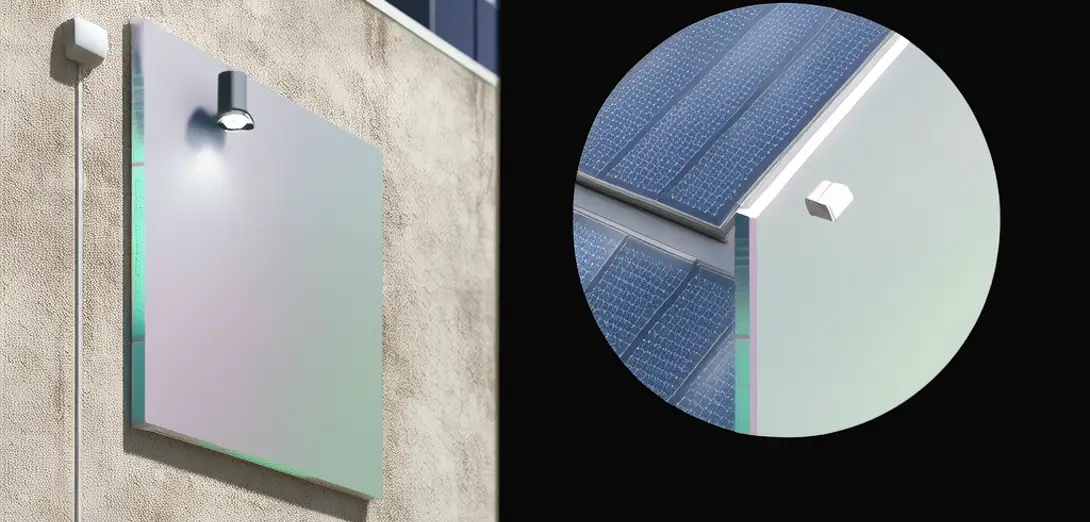
How Solar Paint Turns Walls Into Power Sources
太阳能涂料如何将墙壁变为电源
-
Solar paint contains light-absorbing nanoparticles—like perovskites—that generate electricity when exposed to sunlight.太阳能涂料含有吸光纳米颗粒(如钙钛矿),在阳光照射下可发电。
-
Unlike rigid panels, this liquid coating can be sprayed or rolled onto brick, concrete, or metal surfaces.与刚性光伏板不同,这种液态涂层可喷涂或滚涂在砖、混凝土或金属表面。
-
Each layer is only 0.3 micrometers thick, yet converts up to 15% of incoming light into usable current.每层仅0.3微米厚,却能将最多15%的入射光转化为可用电流。
-
Researchers optimized the formula so it dries evenly and resists rain, UV rays, and temperature swings.研究人员优化了配方,使其干燥均匀,并耐雨水、紫外线和温度变化。
-
A standard 50-square-meter wall coated with solar paint produces enough energy for LED lighting and Wi-Fi all day.一面50平方米的标准墙体涂覆太阳能涂料后,全天足以供应LED照明和Wi-Fi用电。
-
Its biggest advantage is turning unused vertical surfaces into silent, decentralized power generators.其最大优势在于将闲置的垂直表面转变为静音、分布式的发电装置。
-
Installation requires no structural reinforcement or wiring upgrades—just clean, dry walls and daylight.安装无需加固结构或升级线路,只需清洁、干燥的墙面和日照。
-
Current versions work best in diffuse light, meaning cloudy cities benefit more than expected.当前版本在散射光下表现最佳,意味着多云城市受益超预期。
-
Pilot projects in Rotterdam and Tokyo show 20–25% annual energy offset for apartment buildings.鹿特丹和东京的试点项目显示,公寓楼年节能率达20%–25%。
-
This isn’t sci-fi—it’s chemistry, materials science, and urban design working in one thin, shiny layer.这并非科幻——而是化学、材料科学与城市设计融合于一层薄而闪亮的涂层中。