正在确认阅读权限…
Memristors: Computing Where Memory Lives
忆阻器:让计算发生在存储地
-
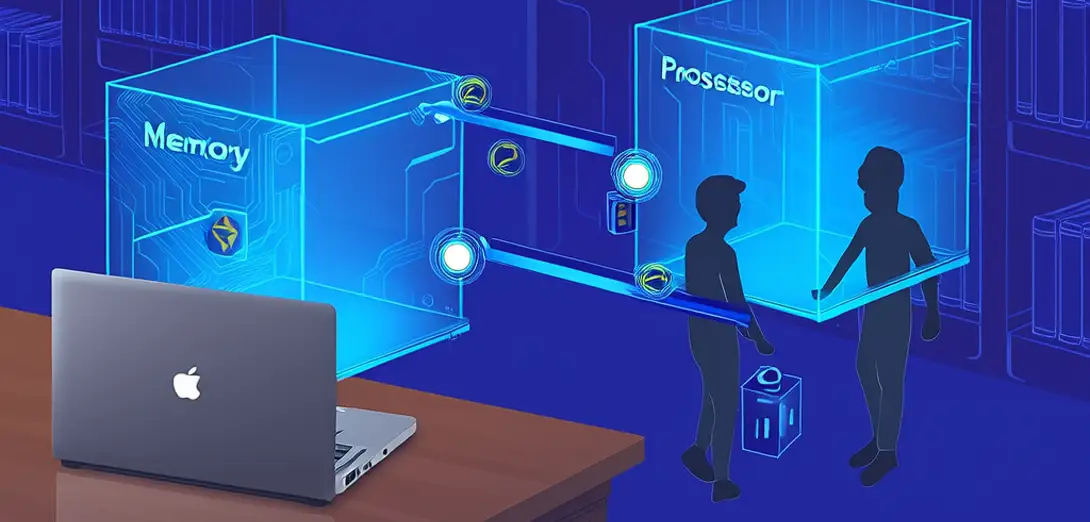
Traditional computers shuttle data constantly between separate memory chips and processors—a bottleneck called the von Neumann wall.传统计算机需在独立的内存芯片和处理器之间频繁传输数据,形成所谓的‘冯·诺依曼瓶颈’。
-
Memristors are tiny electronic components that both store information and perform logic operations in the same physical spot.忆阻器是一种微小电子元件,能在同一物理位置既存储信息又执行逻辑运算。
-
They change resistance based on how much electric charge has passed through them—like biological synapses.其电阻值随通过的电荷量变化——类似生物突触。
-
Stacking thousands of memristors in 3D grids creates ‘compute-in-memory’ hardware that skips data transfer delays.将数千个忆阻器堆叠成三维阵列,可构建‘存内计算’硬件,消除数据传输延迟。
-
Early AI chips using memristors run neural network tasks up to seven times faster using half the energy.早期采用忆阻器的AI芯片运行神经网络任务速度提升至最高7倍,功耗降低一半。
-
They also mimic how the brain learns—adjusting connection strength gradually instead of flipping digital bits.它们还模拟大脑学习方式——通过渐进调整连接强度,而非翻转数字比特。
-
Manufacturers now integrate them into edge devices like security cameras and hearing aids.制造商目前已将其集成到安防摄像头、助听器等边缘设备中。
-
Because they retain state without power, they cut boot-up time and enable instant-on functionality.因其断电仍能保持状态,显著缩短启动时间,实现即时开机功能。
-
This architecture doesn’t replace CPUs—it reshapes where and how computation happens most efficiently.该架构并非取代CPU,而是重新定义计算最高效发生的位置与方式。
-
It’s not magic; it’s physics, nanofabrication, and a fresh idea about what memory can do.这并非魔法,而是物理学、纳米制造技术,以及对内存能力的全新认知。