正在确认阅读权限…
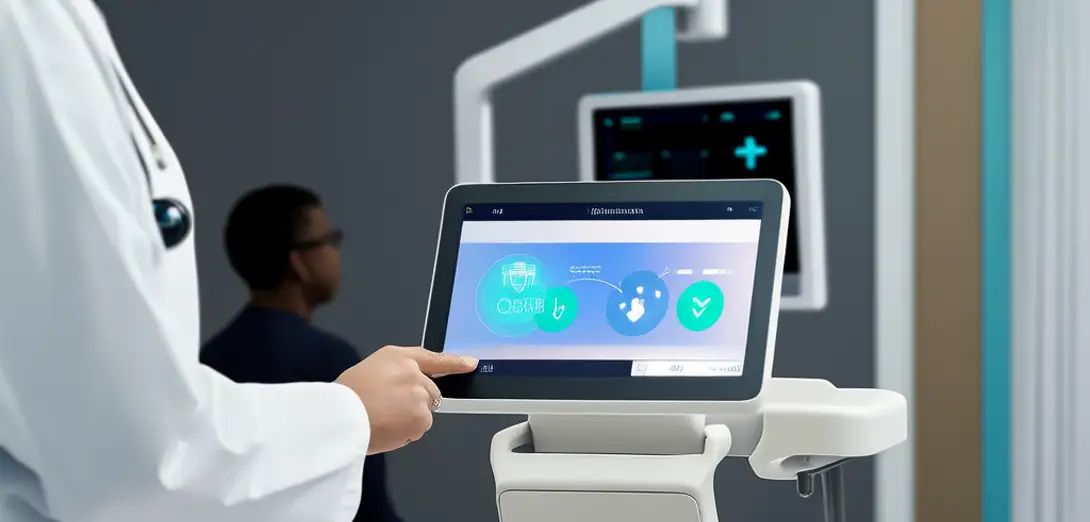
AI-Powered Diagnostic Assistants in Primary Care: When Clinical Workflow Integration Outweighs Algorithmic Accuracy
初级保健中的AI诊断助手:临床工作流整合比算法准确率更具决定性
-
An AI diagnostic assistant achieving 94% accuracy in trials may reduce adoption if it interrupts EHR documentation flow by adding three mandatory confirmation clicks per patient.一款在试验中准确率达94%的AI诊断助手,若每次接诊患者需强制点击确认三次而打断电子病历录入流程,反而会降低临床采用率。
-
Clinicians prioritize tools that surface relevant evidence at decision points—not comprehensive differential lists that require manual filtering against current vitals.临床医生更看重能在关键决策点即时呈现相关证据的工具,而非需人工对照当前生命体征筛选的冗长鉴别诊断列表。
-
Integration depth matters more than headline metrics: seamless CPT code suggestion beats standalone image classification with perfect sensitivity.集成深度比宣传指标更重要:无缝推荐CPT编码的功能,远胜于敏感度100%但孤立运行的影像分类工具。
-
Many AI tools generate clinically sound outputs but fail usability heuristics—like requiring scroll-heavy interfaces during time-constrained triage moments.许多AI工具输出临床合理,却违背可用性原则——例如在争分夺秒的分诊环节强制使用需频繁滚动的界面。
-
Regulatory clearance focuses on algorithm performance, yet reimbursement depends on measurable reductions in documentation burden or referral delays.监管审批聚焦算法性能,但医保报销取决于能否切实减轻文书负担或缩短转诊延迟。
-
EHR vendors now embed AI features as native modules rather than third-party plugins—reducing context-switching but increasing vendor lock-in risk.电子病历厂商如今将AI功能作为原生模块嵌入系统,减少上下文切换,却加剧厂商锁定风险。
-
Diagnostic assistants succeed when they mirror human cognitive scaffolding: prompting for missing data, flagging contradictions, and preserving clinical reasoning traceability.诊断助手成功的关键在于模拟人类认知框架:主动提示缺失数据、标记矛盾信息、保留临床推理可追溯性。
-
Training materials emphasize workflow fit over technical specs—e.g., 'How many seconds does this save during discharge summary generation?'培训材料强调与工作流的契合度而非技术参数——例如‘出院小结生成环节节省多少秒?’
-
Bias mitigation extends beyond model weights: if training data underrepresents rural presentations, the tool may delay recognition of atypical sepsis markers in remote clinics.偏见消减不止于模型权重:若训练数据对农村地区疾病表现覆盖不足,该工具可能延误远程诊所对非典型脓毒症标志的识别。
-
Adoption correlates strongly with customization options—allowing practices to suppress low-yield alerts or prioritize dermatology-specific pattern recognition.采用率与定制化选项强相关——允许机构关闭低价值警报,或优先启用皮肤科特异性模式识别。
-
Ultimately, value accrues not from diagnostic correctness alone, but from how gracefully the tool absorbs uncertainty without demanding definitive inputs.最终价值不仅来自诊断正确性,更源于工具如何优雅应对不确定性,而不强求明确输入。
-
Physicians don’t need another oracle—they need a collaborator calibrated to their pace, priorities, and paperless constraints.医生不需要另一个‘神谕’——他们需要一位适配其节奏、优先事项及无纸化约束的协作者。