正在确认阅读权限…
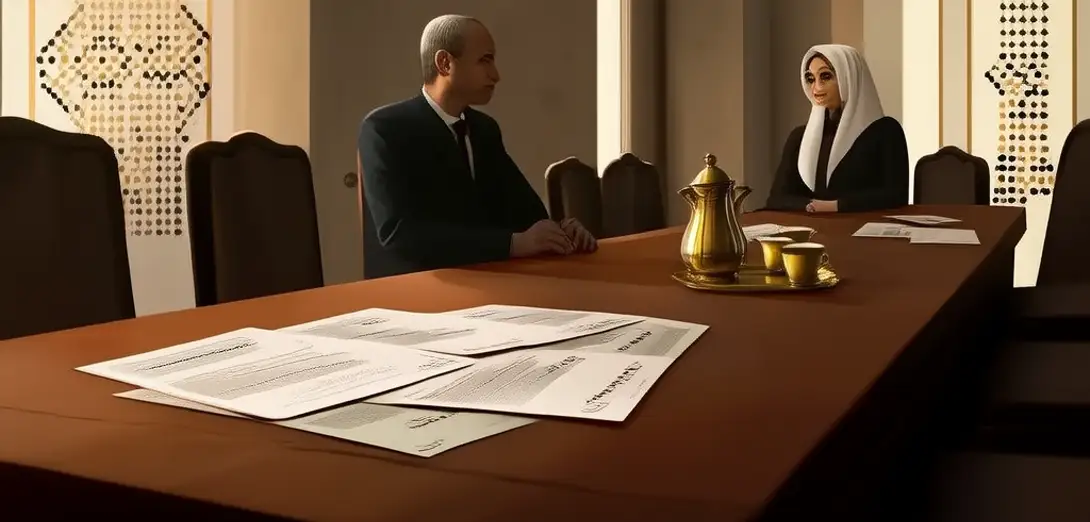
Contractual Silence: Interpreting Unstated Norms in Middle Eastern Tender Processes
合同沉默地带:中东招标流程中未明示规范的解读
-
Formal RFP documents across GCC states rarely mention the mandatory pre-bid 'wasta' meeting—a relational prerequisite no foreign bidder can skip.海湾合作委员会各国的正式招标文件极少提及强制性的投标前‘关系会面’——这是所有外国投标人不可绕过的前置环节。
-
Bid submission deadlines are often nominal; actual evaluation begins only after all shortlisted firms complete face-to-face protocol visits with ministry liaisons.投标截止日期往往只是名义上的;实际评审工作要等到所有入围企业完成与部委联络人的面对面礼节性拜访后才正式启动。
-
Saudi tender committees assess technical compliance alongside perceived long-term commitment—evidenced by Arabic-language capability statements and local office verification.沙特招标委员会在评估技术合规性的同时,也考察投标方对长期合作的诚意——这体现在阿拉伯语能力声明及本地办公场所核实中。
-
In Qatar, submitting English-only documentation—even if permitted—signals unfamiliarity with national vision alignment priorities.在卡塔尔,即使允许提交纯英文文件,此举仍会被视为不了解国家愿景对接重点。
-
Price competitiveness matters less than demonstrated understanding of localized KPI weighting: sustainability metrics carry 30% weight in Abu Dhabi infrastructure bids.价格竞争力不如对本地化KPI权重的准确把握重要:阿布扎比基建项目中,可持续性指标占评分权重30%。
-
Western bidders misread silence around subcontractor disclosure as flexibility—when in fact Emirati law requires full tier-one subcontractor licensing validation.西方投标人将分包商信息披露的沉默误读为灵活性,实则阿联酋法律要求对一级分包商资质进行完整验证。
-
Cultural due diligence here isn’t about avoiding offense—it’s decoding regulatory scaffolding disguised as courtesy.此处的文化尽职调查并非仅为避免冒犯,而是破解披着礼貌外衣的监管框架。
-
A 'no response' to a clarification request isn’t rejection; it’s an invitation to re-engage through appropriate channels—often via local legal counsel.对澄清请求‘不予回复’并非拒绝,而是邀请通过恰当渠道——通常经由当地法律顾问——重新接洽。
-
The winning proposal doesn’t merely meet specs—it mirrors the contracting authority’s rhetorical framing of national development goals.中标方案不仅满足技术规格,更需呼应采购方对国家发展目标的话语表述方式。
-
Time perception diverges sharply: A 'two-week review period' may extend to six weeks during Ramadan, yet no extension notice is issued.时间观念差异显著:‘两周评审期’在斋月期间可能延至六周,但不会另行通知延期。
-
This isn’t inefficiency—it’s layered governance where procedural transparency coexists with relational gatekeeping.这并非低效,而是多层治理模式——程序透明与关系型把关并存。
-
Mastering tender norms means reading between the lines of what’s absent—and why it’s deliberately omitted.掌握招标规范,关键在于解读那些缺失内容背后的潜台词及其被刻意省略的原因。