正在确认阅读权限…
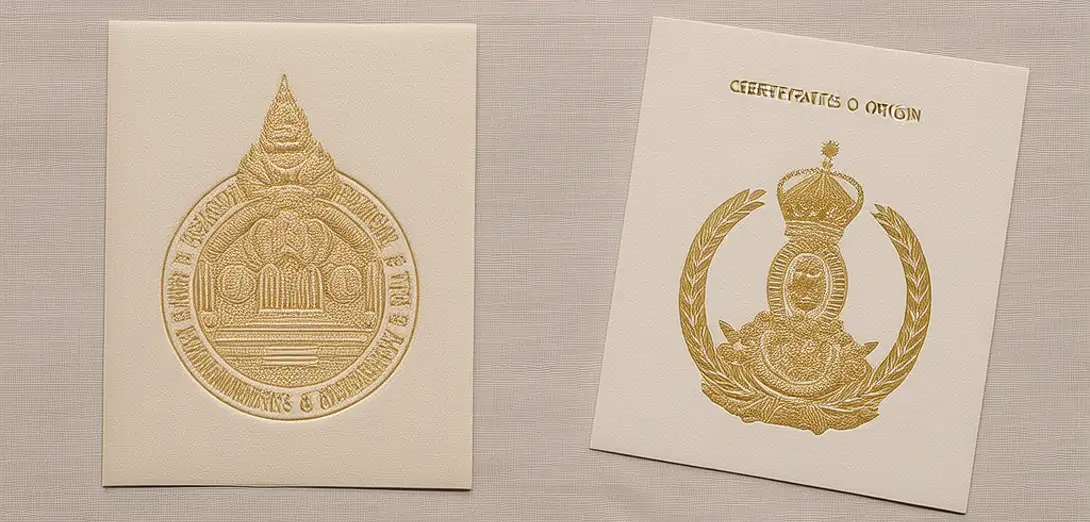
Sovereign Seal Literacy: Interpreting State-Issued Certification Marks Across ASEAN Jurisdictions
主权印章识读:东盟各国政府认证标识的跨司法解读
-
A Cambodian Ministry of Commerce stamp carries different evidentiary weight than its Thai counterpart—even when both appear on identical-looking certificates of origin.柬埔寨商务部印章与泰国同类印章的证据效力不同——即便二者出现在外观相同的原产地证书上。
-
Indonesian SNI marks require physical embossing plus QR-coded digital verification, whereas Vietnamese CRIs rely solely on centralized online registry checks.印尼SNI标志要求物理压印加二维码数字验证,而越南CRI仅依赖中央在线登记系统核查。
-
Malaysian SIRIM certifications now mandate blockchain-backed issuance, yet many foreign buyers still accept scanned PDFs without validating the hash.马来西亚SIRIM认证现强制采用区块链背书签发,但许多外国买家仍接受未验证哈希值的扫描PDF文件。
-
Misreading seal hierarchy can invalidate preferential tariff treatment: a provincial health department stamp ≠ national food safety authority approval.误读印章层级可能导致优惠关税待遇失效:省级卫生部门印章不等于国家级食品安全主管部门批准。
-
ASEAN Harmonized Tariff Schedule footnotes often reference specific seal formats—not just issuing bodies—making visual literacy non-negotiable.东盟统一关税表脚注常指定特定印章格式,而不仅限于签发机构,故视觉辨识能力不可或缺。
-
When verifying halal certification, distinguish between JAKIM’s federal endorsement and state-level fatwa councils’ supplementary rulings.核实清真认证时,须区分马来西亚JAKIM联邦认证与各州教法委员会的补充裁决。
-
Customs brokers in Singapore routinely reject documents bearing Myanmar’s pre-2021 Ministry of Commerce seal due to post-coup administrative discontinuity.新加坡报关行 routinely 拒收缅甸2021年前商务部印章文件,因政变后行政体系已中断。
-
Seal placement matters: in Laos, the bottom-right corner indicates final ministerial sign-off; top-left signals draft-stage validation only.印章位置至关重要:老挝规定右下角盖章表示最终部长级批准,左上角则仅表示草案阶段验证。
-
Digital transformation hasn’t eliminated forgery risks—it has shifted them toward credential cloning on decentralized platforms lacking mutual recognition.数字化转型并未消除伪造风险,反而将其转向缺乏互认机制的去中心化平台上的凭证克隆。
-
Train procurement staff to cross-reference ASEAN Secretariat’s updated seal registry, not just national gazettes, for real-time validity checks.应培训采购人员交叉核对东盟秘书处最新印章登记库,而非仅依赖各国政府公报,以实现实时有效性核查。
-
A single pixel misalignment in a Brunei Agro-Food Authority hologram can trigger full consignment rejection at Bandar Seri Begawan port.文莱农粮局全息防伪标单个像素偏移,即可能在斯里巴加湾港遭整批货物拒收。
-
Sovereign seal literacy isn’t bureaucratic pedantry—it’s the frontline defense against documentary fraud in preferential trade corridors.主权印章识别能力并非官僚式繁琐要求,而是防范优惠贸易通道内单证欺诈的第一道防线。