正在确认阅读权限…
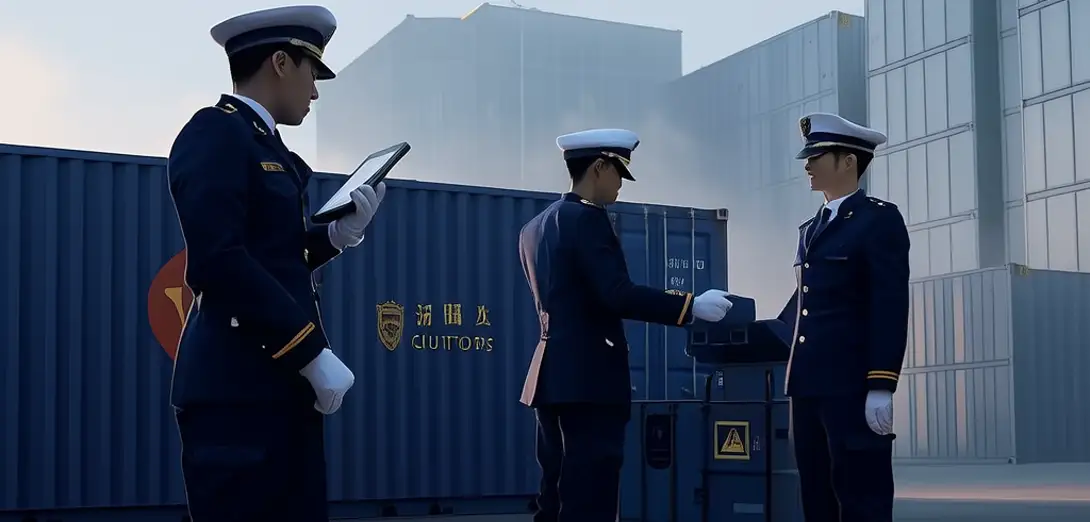
Customs Examination Theater: Navigating Ritualized Inspection Scripts at Shenzhen Bay Port
海关查验剧场:深圳湾口岸仪式化查验脚本的应对
-
At Shenzhen Bay Port, customs officers perform highly stylized inspection sequences—less about contraband detection, more about asserting procedural sovereignty over cross-border flows.在深圳湾口岸,海关官员执行高度程式化的查验流程——重点不在查缉违禁品,而在宣示对跨境货流的程序性主权。
-
The 'three-tier opening' ritual—outer carton, inner packaging, then product casing—must be followed precisely, even when cargo manifests confirm conformity.‘三层开启’仪式——外纸箱、内包装、产品外壳——必须严格遵循,即便货运清单已确认货物合规。
-
Officers may request bilingual labeling samples not for translation accuracy, but to verify adherence to domestic regulatory theater scripts governing public space compliance.官员可能索要双语标签样本,并非为核查翻译准确性,而是检验是否遵守国内监管‘剧本’中关于公共空间合规的要求。
-
Photographic evidence of unboxing must capture specific angles: top seam first, then side seam, then base—deviation triggers repeat inspections regardless of content legitimacy.开箱照片须按特定角度拍摄:先拍顶缝,再拍侧缝,最后拍底面;角度偏差即触发重复查验,无论货物本身是否合法。
-
When inspectors cite 'inconsistent batch coding' on identical units, they’re often signaling non-compliance with China’s traceability pilot program, not manufacturing defects.当查验员指出相同批次产品存在‘批号不一致’时,往往意在提示未遵守中国可追溯性试点计划,而非指出制造缺陷。
-
Pre-clearance briefings emphasize script fidelity over technical detail: knowing *when* to hand over documents matters more than *what* they contain.预清关简报强调对流程脚本的精准执行,而非技术细节:知道‘何时’递交文件比文件‘内容’更重要。
-
Electronic declaration systems auto-flag entries lacking ‘inspection readiness’ metadata—such as timestamped photos of sealed containers prior to arrival.电子申报系统会自动拦截缺少‘查验就绪’元数据的申报,例如集装箱抵达前拍摄并带时间戳的封志照片。
-
Importers who bypass ritual steps—even with perfect documentation—face extended holding times as ‘training opportunities’ for junior officers.即便单证齐全,进口商若跳过任一仪式性步骤,仍将面临延长扣留——美其名曰‘初级关员培训机会’。
-
The ritual serves dual functions: reinforcing regulatory visibility and filtering out partners unfamiliar with China’s evolving compliance aesthetics.该仪式兼具双重功能:强化监管可见性,同时筛选出不熟悉中国动态合规美学的合作伙伴。
-
Successful navigation requires understanding that the inspection isn’t forensic—it’s performative, calibrated to domestic political expectations of border control rigor.顺利通关的关键在于理解:查验并非法证过程,而是表演性行为,其尺度由国内对边境管控力度的政治期待所校准。
-
Every gesture—from glove removal sequence to clipboard orientation—carries jurisdictional meaning encoded in General Administration of Customs circulars.每个动作——从脱手套顺序到文件夹朝向——均承载司法管辖区含义,载于海关总署通告之中。
-
Treating the process as mere bureaucracy misses its core function: staging sovereignty in real time, where compliance is choreographed, not calculated.若将此流程仅视作官僚手续,则错失其核心功能:实时上演主权,其中合规是编排好的,而非计算得出的。