正在确认阅读权限…
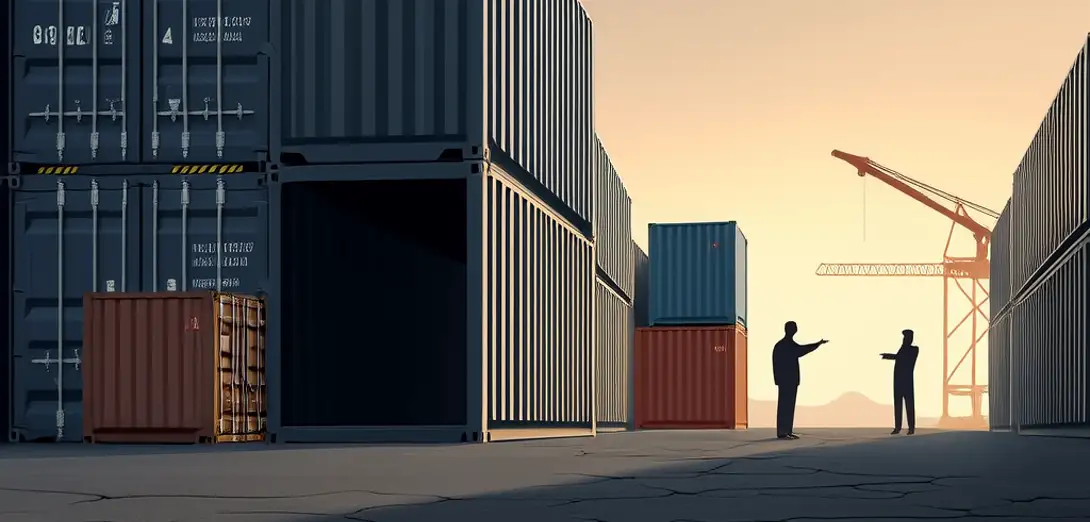
Port Congestion Fallout: Demurrage vs. Detention in Practice
目的港滞港:Demurrage与Detention
-
Demurrage applies after container discharge but before cargo pickup—charging the consignee for terminal storage beyond free time.滞港费适用于集装箱卸船后、货物提离前的时段,向收货人收取超出免租期的码头堆存费。
-
Detention, by contrast, begins when the empty container is picked up and ends only upon its return to the carrier’s depot.滞箱费则始于空箱提离之时,止于其返还至承运人堆场之日。
-
A delayed customs inspection in Rotterdam can trigger demurrage even if the buyer arranged pickup on schedule—shifting liability upstream.鹿特丹海关查验延误可能触发滞港费,即便买方已按期安排提货——责任由此向上游转移。
-
Carriers increasingly enforce detention charges for ‘empty repositioning delays’, especially when inland depots lack chassis availability.承运人正日益对‘空箱调运延误’征收滞箱费,尤当内陆堆场缺乏底盘可用时。
-
Contract clauses that cap demurrage at $120/day become meaningless when port congestion pushes rates to $480/day—and courts uphold them.当港口拥堵将滞港费率推高至每日480美元,合同中每日120美元的滞港费上限条款便形同虚设——法院仍予支持。
-
Smart shippers now negotiate ‘congestion clauses’ allowing automatic extension of free time during declared terminal bottlenecks.精明的托运人如今会协商加入‘拥堵条款’,在码头宣布出现拥堵瓶颈时自动延长免租期。
-
Detention disputes often hinge on GPS-tracked gate-in/gate-out timestamps—not driver logs or verbal handovers.滞箱费争议往往取决于GPS记录的进出场时间戳,而非司机日志或口头交接。
-
Some freight forwarders absorb initial detention costs to retain clients, then recover them via quarterly service fee adjustments.部分货代为维系客户,先行承担初期滞箱费用,再通过季度服务费调整予以追回。
-
The real cost isn’t just fees—it’s inventory obsolescence risk when electronics sit idle in Chilean terminals during peak season.真正成本不仅在于费用本身——更在于电子产品旺季滞留智利码头所引发的库存过时风险。
-
Demurrage logic assumes predictable logistics; detention logic assumes responsible asset stewardship—both collapse under systemic port strain.滞港费逻辑基于可预测的物流节奏,滞箱费逻辑基于对资产的审慎管理——二者均在系统性港口压力下失效。