正在确认阅读权限…
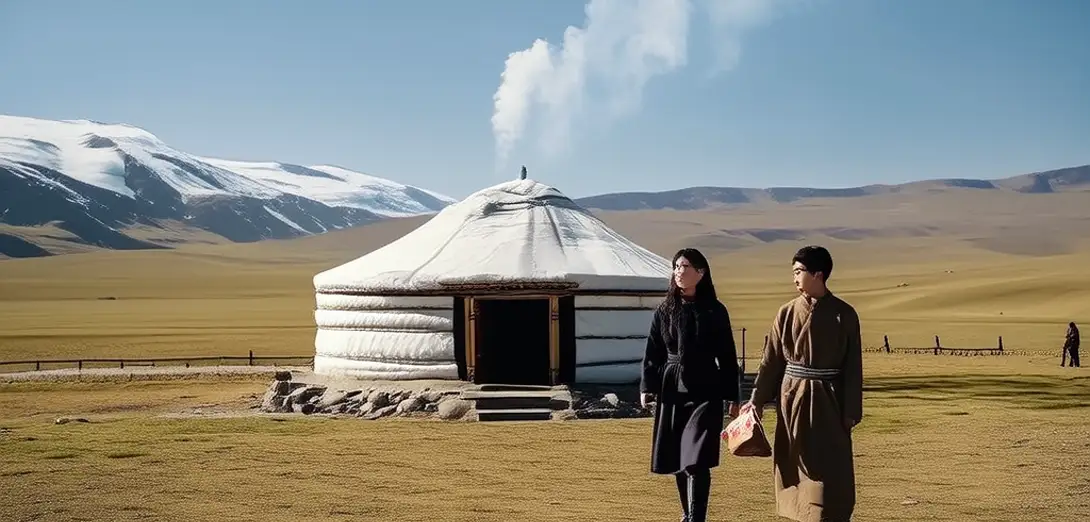
Kyrgyz Nomadic Etiquette: Yurt, Horse, and Honor Code
吉尔吉斯游牧礼仪:毡房、骏马与荣誉准则
-
In the Tian Shan mountains, visitors approach a yurt slowly on foot—not horseback—to show respect for family privacy.在天山山脉,游客步行而非骑马缓缓靠近毡房,以示对家庭隐私的尊重。
-
The right side of the yurt entrance is reserved for honored guests, while the left belongs to the host’s family.毡房门口右侧专为尊贵客人预留,左侧则属于主人家人。
-
Tea arrives in small bowls with milk and salt, not sugar, reflecting centuries of dairy-based nutrition on grasslands.茶以小碗盛装,加入牛奶和盐,而非糖,体现草原上延续数世纪的乳制品饮食传统。
-
Refusing hospitality—even once—can wound pride, so guests accept at least three sips before politely declining more.哪怕仅拒绝一次款待,也可能伤及主人自尊,因此客人至少需饮三口,再礼貌谢绝后续敬茶。
-
Horseback riders dismount before greeting elders and walk their horses past the yurt’s threshold as a sign of deference.骑马者须先下马向长者致意,并牵马跨过毡房门槛,以示敬意。
-
Songs accompany meals: akyns improvise verses praising guests’ wisdom or tracing their clan’s migration routes.用餐时伴有歌曲:阿肯即兴吟唱,赞颂宾客智慧或追溯其氏族迁徙路线。
-
Women manage yurt interiors and dairy production, while men handle herding—but roles shift fluidly during festivals.女性负责毡房内务与乳制品制作,男性承担放牧职责——但节庆期间角色灵活互换。
-
Gifts like hand-knotted rugs or fermented mare’s milk (kumis) carry deeper meaning than price tags ever could.手工地毯或发酵马奶酒(库密斯)等礼物所承载的意义,远非价格标签所能衡量。
-
When leaving, guests leave a coin or cloth near the hearth—not as payment, but as symbolic thanks for warmth and safety.离别时,客人将一枚硬币或一块布置于炉灶旁——并非支付报酬,而是象征性感谢主人提供的温暖与庇护。
-
Even satellite dishes now sit beside felt walls, proving tradition adapts without losing its moral compass.如今卫星锅盖与毛毡墙并存,印证传统既能适应变迁,又不失其道德内核。