正在确认阅读权限…
Día de Muertos in Oaxaca: Beyond Skulls and Color
奥阿哈卡亡灵节:不止于骷髅与色彩
-
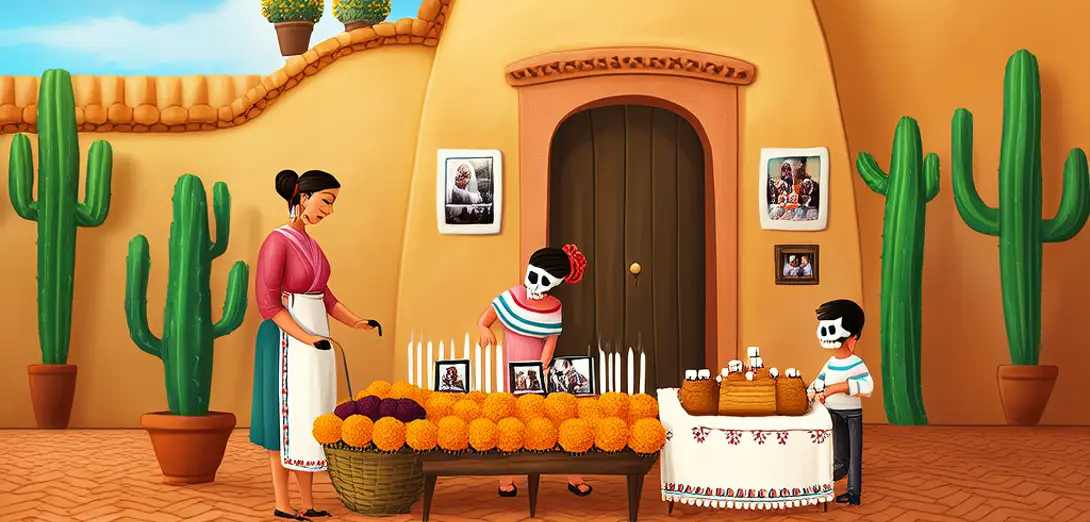
In Oaxaca, families begin building altars weeks before November 1st, choosing marigolds for their scent and brightness.在瓦哈卡,家家户户早在11月1日前数周就开始搭建祭坛,选用万寿菊,因其香气与明艳。
-
Each offering—pan de muerto, sugar skulls, favorite foods—carries personal meaning, not just tradition.每样供品——亡灵面包、糖骷髅、逝者生前最爱的食物——都承载着个人意义,而不仅是传统。
-
Photographs of deceased loved ones are placed beside candles that guide spirits home through fragrance and light.逝去亲人的照片置于烛旁,烛光与芬芳为灵魂引路归家。
-
Children wear face paint resembling calaveras, but elders share stories aloud so memories stay vivid and warm.孩子们脸上画着骷髅图案,而长辈则 aloud 讲述故事,让记忆鲜活而温暖。
-
Gravesites become gathering places where music plays softly and relatives clean tombstones together.墓地化作聚会场所,音乐轻柔响起,亲友一同清扫墓碑。
-
Unlike Halloween, this celebration assumes death is natural—not frightening—and welcomes return rather than fears it.与万圣节不同,这一庆典视死亡为自然之事,而非可怕之事,并欣然迎接亡灵归来,而非恐惧。
-
Local artisans carve intricate wooden alebrijes, mythical creatures believed to escort souls safely across realms.当地匠人雕刻繁复的木质阿莱布里赫——传说中护送灵魂安然穿越 realms 的神兽。
-
Schools teach students how to write short, poetic calaveras—humorous rhymes about living friends’ ‘deaths’.学校教学生创作简短诗意的‘骷髅诗’——以幽默韵文调侃在世亲友的‘死亡’。
-
Tourists join processions only if invited, respecting that some rituals remain private family moments.游客仅在受邀时方可加入游行,尊重部分仪式仅为私密的家庭时刻。
-
At midnight on November 1st, bells ring gently as families whisper names into the cool night air.11月1日午夜,钟声轻响,家人在清冷夜风中低唤逝者姓名。