正在确认阅读权限…
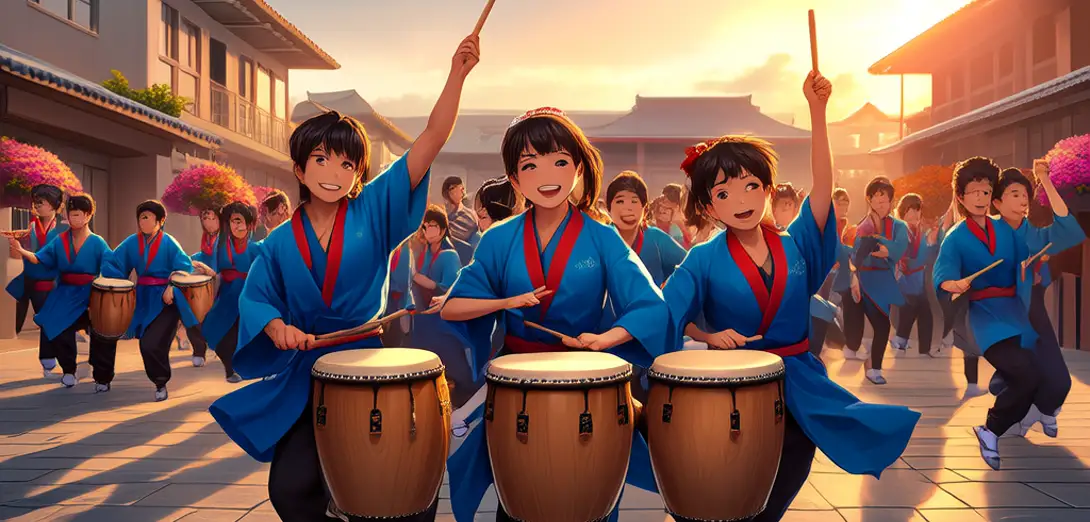
Batch 0001-020: Folding Time in Okinawan Eisa Drum Circles
批次0001-020:冲绳艾萨鼓圈中的时间折叠
-
Every August in Naha, hundreds of dancers move in synchronized waves while wooden drums pulse like ocean tides.每年八月,那霸市数百名舞者随木鼓声如潮汐般整齐律动。
-
Eisa performers wear bright sashes and straw hats, their steps tracing ancient village boundaries now buried under city roads.哎萨舞者身系亮色腰带、头戴草帽,舞步勾勒出昔日村落边界——如今已被城市道路掩埋。
-
Each drum pattern matches a specific ancestor’s story—some joyful, others mourning losses from war or typhoon.每种鼓点对应一位祖先的故事:有的欢欣,有的哀悼战争或台风带来的损失。
-
Youth train for months before Obon, learning not just rhythm but how to hold grief and celebration in one breath.年轻人在盂兰盆节前苦练数月,所学不仅是节奏,更是一呼一吸间容纳悲喜的能力。
-
Drummers strike bamboo sticks on open palms to create sharp, dry sounds that cut through humid night air.鼓手以竹棒击打掌心,发出清脆干涩之声,穿透湿热的夜气。
-
Older dancers lead circles where generations overlap—grandmothers’ chants guide teenagers’ hip movements.年长舞者领舞成圈,代际交融——祖母的吟唱引导着少年的胯部摆动。
-
The circle never closes fully; an open gap honors spirits who are still traveling home.圆圈从不完全闭合;留一道缺口,致敬仍在归途中的亡灵。
-
Unlike staged performances, street-side eisa invites neighbors to join mid-step, even if barefoot or out of time.与舞台演出不同,街边哎萨舞随时欢迎邻里加入——哪怕赤脚、哪怕踩不准拍子。
-
Families place lanterns along routes so ancestors won’t lose their way between worlds at dusk.家家户户在行进路线上摆放灯笼,为黄昏时分往来阴阳两界的祖先引路。
-
This is not entertainment—it’s communal time travel, stitched together by sweat, wood, and shared memory.这并非娱乐——而是由汗水、木鼓与共同记忆编织而成的集体时空穿越。