正在确认阅读权限…
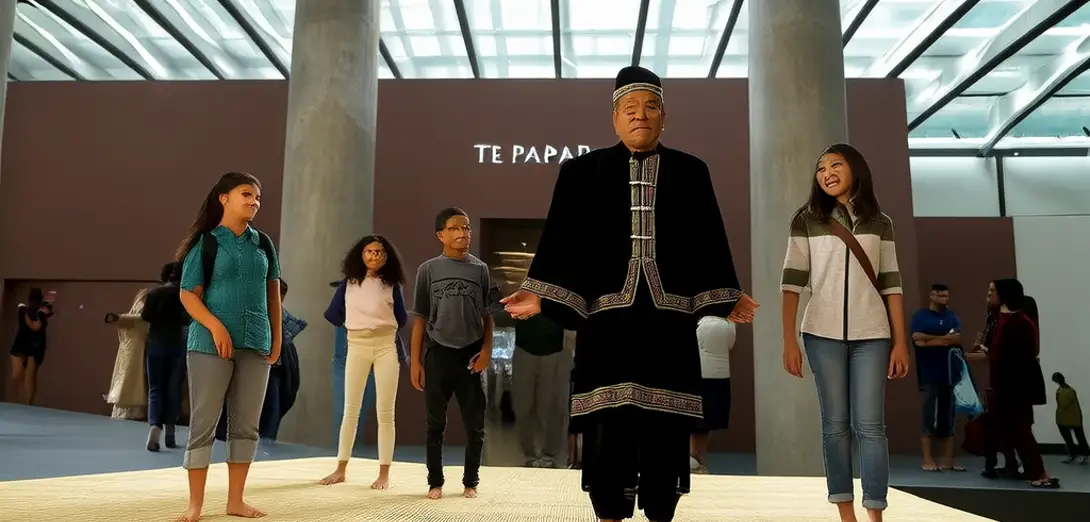
Maori Powhiri: Greeting Strangers with Heart and History
毛利人波希里仪式:以心与历史迎接陌生人
-
At Te Papa Museum in Wellington, visitors wait barefoot on woven flax mats before the powhiri begins.在惠灵顿蒂帕帕博物馆,游客赤脚站在编织的亚麻垫上,静候欢迎仪式开始。
-
An elder chants a karanga—a call in te reo Māori—that invites guests onto sacred ground with dignity.一位长者用毛利语吟唱卡拉加(karanga),以庄重之姿邀请宾客踏上圣地。
-
Men respond with haka, stomping feet and widening eyes not to threaten, but to show vitality and truth.男子以哈卡舞回应,跺脚瞪眼并非示威,而是展现生命力与真诚。
-
The visitor who steps forward offers a token—often a fern frond—to signal peaceful intent and openness.上前一步的访客献上信物——常是一片蕨叶,以示和平善意与开放之心。
-
Pressing noses and foreheads together—the hongi—exchanges the breath of life and acknowledges shared humanity.鼻额相贴的“弘吉”礼,交换生命气息,确认彼此共通的人性。
-
Each gesture carries ancestral weight: the tapu (sacredness) of land, language, and lineage must be honored.每个动作都承载祖先分量:土地、语言与血脉的‘塔普’(神圣性)必须被敬重。
-
Children watch closely, learning how respect grows from listening more than speaking during formal welcome.孩童专注观看,在正式迎宾中学习尊重之道——倾听远胜于言说。
-
Photography pauses until the ceremony ends, since capturing spirit without permission breaks cultural protocol.摄影暂停至仪式结束,因未经许可摄录精神,违背文化规约。
-
Even tourists learn basic greetings like ‘Tēnā koutou’ before entering, showing effort matters more than perfection.连游客也须学会‘特纳库图’等基本问候语才可入内,努力比完美更显诚意。
-
After sharing food, hosts remind guests that manaakitanga—care for others—is both duty and privilege.共享食物后,主人提醒宾客:‘玛纳基坦加’(待客之道)既是责任,亦是荣幸。