正在确认阅读权限…
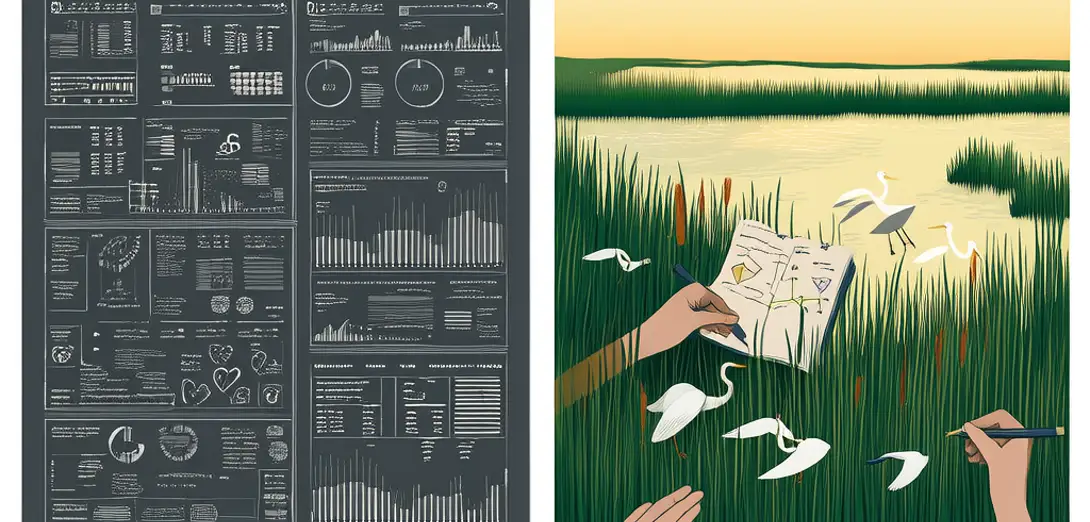
Geography and Environmental Valuation: Beyond Market Metrics to Relational Worth (Batch 0001-028)
地理与环境价值评估:超越市场指标的关系性价值(批次0001-028)
-
Conventional environmental valuation reduces ecosystems to monetary equivalents — calculating wetlands’ flood mitigation value in dollars per hectare — ignoring non-market dimensions of place-based meaning.传统环境价值评估将生态系统简化为货币等价物——例如按每公顷多少美元计算湿地的防洪价值——却忽视了基于场所的意义中那些无法用市场衡量的维度。
-
A Māori iwi values a river not as a water resource but as an ancestor (tupuna awa), with legal personhood granting it standing in court and requiring consultation before any development affecting its flow.毛利部落不把河流视为水资源,而视其为祖先(tupuna awa),赋予其法律人格,使其可在法庭上主张权利,并要求任何影响其水流的开发活动必须事先协商。
-
Geographic valuation frameworks now map ‘relational worth’: identifying sites where cultural identity, subsistence practice, spiritual continuity, and ecological function converge inseparably.地理价值评估框架如今绘制‘关系性价值’地图:识别文化认同、生计实践、精神延续与生态功能不可分割地交汇的地点。
-
In the Andes, Quechua communities assign value to páramo grasslands based on their role in regulating water release for downstream cities — a hydrological service entangled with cosmological reciprocity (ayni).在安第斯山区,克丘亚社区依据帕拉莫草原调节下游城市供水的功能为其赋值——这一水文服务与宇宙观中的互惠原则(ayni)紧密交织。
-
Economic models struggle to price intangible assets like the sense of belonging derived from walking ancestral trails or the intergenerational knowledge encoded in seasonal farming calendars.经济模型难以对无形资产定价,例如沿祖辈小径行走所唤起的归属感,或季节性农耕历法中承载的代际知识。
-
Urban planners increasingly use ‘value-mapping workshops’ where residents co-draw layered maps: one layer for economic activity, another for childhood memories, a third for spiritual significance — revealing spatial overlaps invisible to market logic.城市规划者日益采用‘价值绘图工作坊’:居民共同绘制分层地图——一层标示经济活动,一层标记童年记忆,一层标注精神意义——从而揭示市场逻辑无法察觉的空间重叠。
-
Such approaches challenge cost-benefit analysis by insisting that some values are incommensurable: you cannot trade a sacred mountain for ten hectares of arable land without violating ontological boundaries.此类方法挑战成本—效益分析,坚持某些价值不可通约:你无法用十公顷耕地换取一座圣山而不逾越本体论边界。
-
International conservation finance mechanisms now require ‘plural valuation statements’ — documenting monetary, cultural, ecological, and spiritual values separately rather than collapsing them into a single index.国际自然保护融资机制如今要求提交‘多元价值陈述’——分别记录经济、文化、生态与精神价值,而非将其压缩为单一指数。
-
This geographic valuation recognizes that environmental destruction inflicts compound harm: losing a forest erases carbon storage, disrupts rainfall patterns, dissolves kinship ties to place, and silences origin stories embedded in its topography.这种地理价值评估认识到,环境破坏造成多重伤害:毁掉一片森林,不仅丧失碳储存能力、扰乱降雨模式,更瓦解人与土地的亲缘纽带,并抹去铭刻于其地形之中的起源叙事。
-
Even corporate impact assessments increasingly include ‘relational integrity audits’ — interviewing community elders about whether new infrastructure preserves pathways for ceremonial processions or seasonal gathering.即便是企业影响评估,也越来越多地纳入‘关系完整性审计’——访谈社区长者,了解新建基础设施是否保留了仪式游行或季节性集会的通行路径。
-
Valuation thus becomes an ethical practice: determining not just what is worth protecting but whose relationships to place constitute legitimate claims on environmental decision-making power.因此,价值评估成为一种伦理实践:它所确定的不仅是值得保护之物,更是哪些人与场所的关系构成了环境决策权的正当主张。
-
It affirms that geography’s deepest contribution lies not in measuring the world but in cultivating the humility to recognize what resists measurement — and why that resistance matters.它确认:地理学最深刻的贡献,不在于测量世界,而在于培养谦卑之心,去辨识那些抗拒测量之物,并理解这种抗拒为何重要。