正在确认阅读权限…
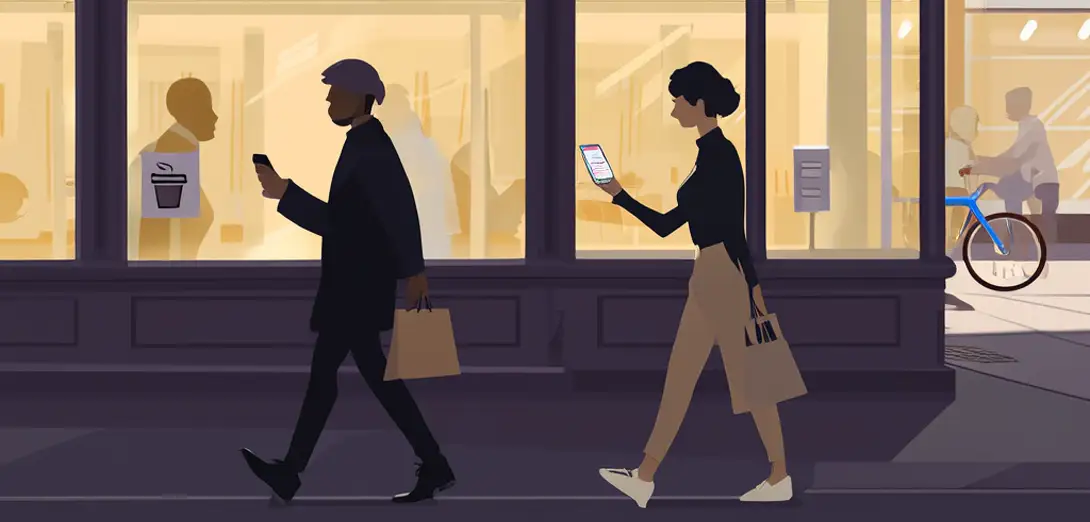
How Daily Choices Shape the Economy—Without Anyone Noticing
无声塑造经济的日常选择
-
Every time you choose coffee over tea, delay a purchase, or switch banks, you send a tiny signal to the wider economy.每次你选择咖啡而非茶、推迟购物或更换银行,都在向更广阔的经济发出微小信号。
-
These individual decisions rarely feel important—but aggregated across millions of people, they influence hiring, investment, and even interest rates.这些个人决定看似无关紧要,但当数以百万计的人做出类似选择时,便会影响招聘、投资乃至利率。
-
A local bakery stays open not because of one loyal customer, but because hundreds make similar small choices each week.一家本地面包店得以持续营业,并非靠某一位忠实顾客,而是靠每周数百人做出的相似小选择。
-
When many people start buying electric cars, factories shift production lines, battery makers expand, and governments rethink charging infrastructure.当许多人开始购买电动车时,工厂会调整产线,电池厂商会扩大产能,政府也会重新规划充电设施。
-
Even staying home on Friday night affects demand for restaurants, cinemas, and ride services—all sectors that adjust staffing and pricing accordingly.哪怕只是周五晚上宅在家里,也会影响餐厅、影院和网约车的需求,而这些行业会据此调整人手与定价。
-
Markets don’t respond to grand speeches or policy documents alone; they react most reliably to consistent, repeated behavior.市场不会仅凭宏大的演讲或政策文件就作出反应;它最可靠地响应的是持续、重复的行为。
-
Your decision to rent rather than buy housing contributes to long-term trends in construction, mortgage lending, and urban planning.你选择租房而非购房的决定,正推动着建筑、房贷和城市规划的长期趋势。
-
Social media habits shape advertising budgets, which then affect newsroom staffing, content diversity, and platform moderation policies.社交媒体使用习惯影响广告预算,进而影响新闻编辑部人力、内容多样性及平台审核政策。
-
No single person controls inflation or unemployment—but collectively, our spending, saving, and job-seeking patterns set their direction.单个人无法控制通胀或失业率,但我们的消费、储蓄和求职模式合在一起,却决定了它们的方向。
-
Economists study these patterns not to predict individuals, but to understand how ordinary actions become structural forces.经济学家研究这些模式,不是为了预测个体行为,而是理解日常行动如何演变为结构性力量。
-
What feels like personal freedom—choosing where to shop, work, or live—is also quietly building the rules of tomorrow’s economy.那些看似属于个人自由的选择——去哪购物、工作或居住——也在悄然塑造未来经济的规则。
-
The economy is not a distant machine; it is the sum of all our small, daily yeses and noes.经济并非遥远的机器;它正是我们每日无数个微小‘是’与‘否’的总和。