正在确认阅读权限…
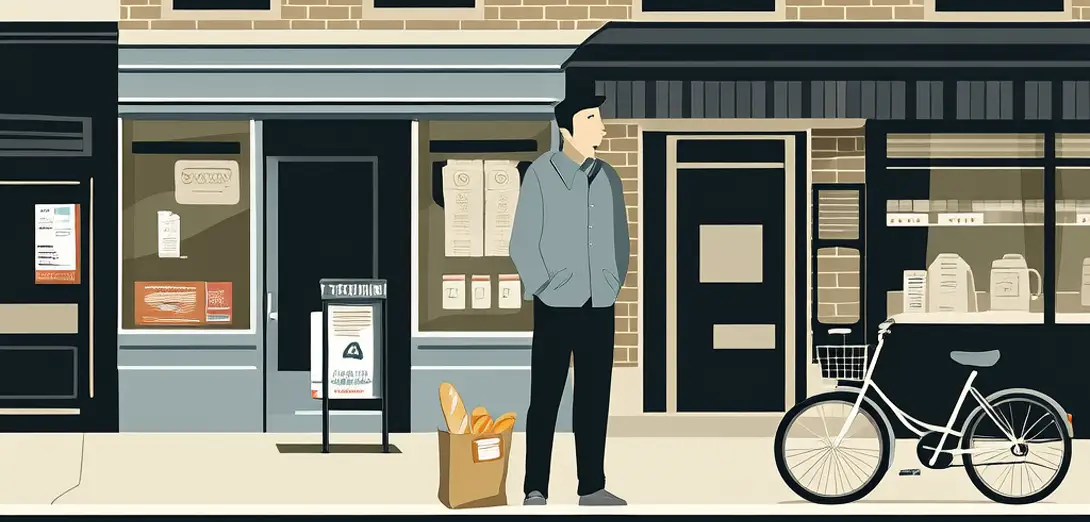
Inflation Is Personal—Not Just a Number on the News
通胀是个人化的体验,而非新闻上的一个数字
-
Headline inflation rates average price changes across hundreds of goods—but your personal inflation depends on what you actually buy and how often.headline通胀率反映数百种商品的平均价格变动,但你的个人通胀取决于你实际购买的商品及其频次。
-
A retiree on fixed income feels 3% inflation sharply when prescription co-pays rise 12%, while a tech worker getting 8% raises barely notices.固定收入的退休人员对3%的通胀感受强烈——当处方药自付额上涨12%时;而年薪涨幅达8%的科技从业者却几乎毫无察觉。
-
Parents experience inflation through back-to-school lists: sneakers cost 20% more, but school bus routes shrink—adding transport time and cost.家长通过开学清单感受通胀:运动鞋涨价20%,校车线路却缩减,增加了通勤时间和成本。
-
Restaurants raise check totals not evenly, but selectively: appetizers jump 15%, entrees 5%, while bottled water stays flat—shifting consumption habits.餐厅并非均匀提价,而是选择性上调:前菜涨15%,主菜涨5%,瓶装水价格则保持不变,从而改变消费习惯。
-
Inflation isn’t just about prices—it’s about shrinking time budgets: when groceries take longer to compare and afford, leisure and caregiving erode.通胀不只是价格问题,更关乎时间预算的缩水:当采购和负担食品耗时更长,休闲与照护时间便被侵蚀。
-
Small businesses face 'input inflation'—higher shipping, packaging, and software fees—that they can’t fully pass on without losing customers.小微企业面临‘投入品通胀’——运费、包装费和软件费用上涨,但若全部转嫁则可能流失客户。
-
Wage negotiations lag behind inflation, so even 'cost-of-living adjustments' often trail actual spending pressure by months.薪资谈判滞后于通胀,因此即使有‘生活成本调整’,也常比实际支出压力晚数月才生效。
-
Rental inflation hits hardest where supply is tightest—not nationally, but in specific ZIP codes where remote workers flooded affordable towns.房租通胀冲击最重之处并非全国范围,而是供给最紧张的具体邮政编码区——远程工作者涌入拉高了原本实惠城镇的租金。
-
Energy price spikes affect low-income households more severely, not just relatively, but absolutely—because heating accounts for 25% of their budget, not 3%.能源价格上涨对低收入家庭影响更严重,不仅是相对而言,更是绝对意义上的——取暖占其预算的25%,而非3%。
-
Inflation narratives matter: calling it 'transitory' reassures investors but frustrates families watching savings evaporate month after month.通胀叙事至关重要:称其‘暂时性’可安抚投资者,却令眼见储蓄逐月蒸发的家庭倍感挫败。
-
Central banks watch core inflation—excluding food and energy—to smooth noise, yet those are precisely the items people cannot postpone or substitute.央行关注剔除食品和能源的‘核心通胀’以平滑波动,但恰恰是这两类商品,人们无法推迟购买或轻易替代。
-
Understanding inflation personally means asking not 'What’s the national rate?' but 'What’s becoming harder to do—and who decided that was acceptable?'理解通胀的个人意义,不在于问‘全国通胀率是多少?’,而在于问‘哪些事正变得越来越难做到——又是谁认定这可以接受?’