正在确认阅读权限…
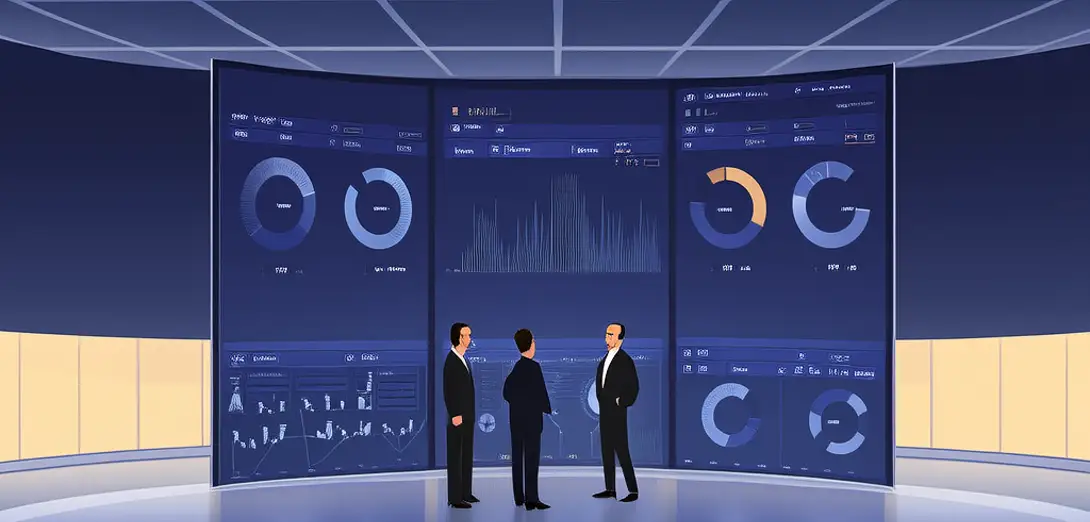
Batch-Synchronized Fiscal Triggers—How Standardized Thresholds Automate Countercyclical Response
批次同步型财政触发器:标准化阈值如何自动化反周期响应
-
Modern fiscal frameworks embed automated triggers calibrated to batch-synchronized macroeconomic indicators.现代财政框架内置了自动触发机制,其阈值根据批量同步的宏观经济指标校准。
-
These thresholds—unemployment rate changes, GDP contraction depth, or credit spread widening—are pre-coded into budget execution protocols.这些阈值——如失业率变动、GDP收缩幅度或信用利差扩大——已预先编码进预算执行规程。
-
Unlike discretionary stimulus, batch-synchronized triggers activate spending or tax relief only when multiple metrics align within one evaluation window.与自由裁量的刺激政策不同,批量同步触发机制仅在多个指标于同一评估窗口内同时达标时,才启动支出或减税措施。
-
This prevents piecemeal interventions that distort sectoral incentives or undermine medium-term fiscal anchors.此举可避免零散干预扭曲行业激励或削弱中期财政锚定目标。
-
Treasury systems now run parallel simulations across upcoming batches to stress-test trigger robustness.财政部系统如今对后续各批次数据并行开展模拟,以压力测试触发机制的稳健性。
-
Local governments adopt federal batch schedules to align municipal bond issuance with anticipated federal transfers.地方政府采用联邦政府的批量时间表,使市政债券发行与预期联邦转移支付相协调。
-
Critics argue such automation risks misdiagnosing structural shifts as cyclical blips.批评者指出,此类自动化可能将结构性变化误判为周期性波动。
-
Proponents emphasize reduced political delay and enhanced transparency in timing decisions.支持者则强调,它减少了政治延迟,提升了决策时机的透明度。
-
Batch synchronization also exposes asymmetries: some regions meet thresholds earlier due to data latency, not actual conditions.批量同步也暴露了不对称性:部分区域因数据滞后而非实际状况更早触达阈值。
-
The design assumes indicator reliability—a growing concern amid real-time data fragmentation.该设计以指标可靠性为前提——而实时数据碎片化正使这一前提日益成疑。
-
Ultimately, these triggers convert macroeconomic diagnosis into executable, timestamped policy logic.最终,这些触发机制将宏观经济诊断转化为可执行、带时间戳的政策逻辑。
-
They represent fiscal policy’s quiet shift from deliberation to dispatch.它们标志着财政政策正悄然从审慎 deliberation 转向高效 dispatch。