正在确认阅读权限…
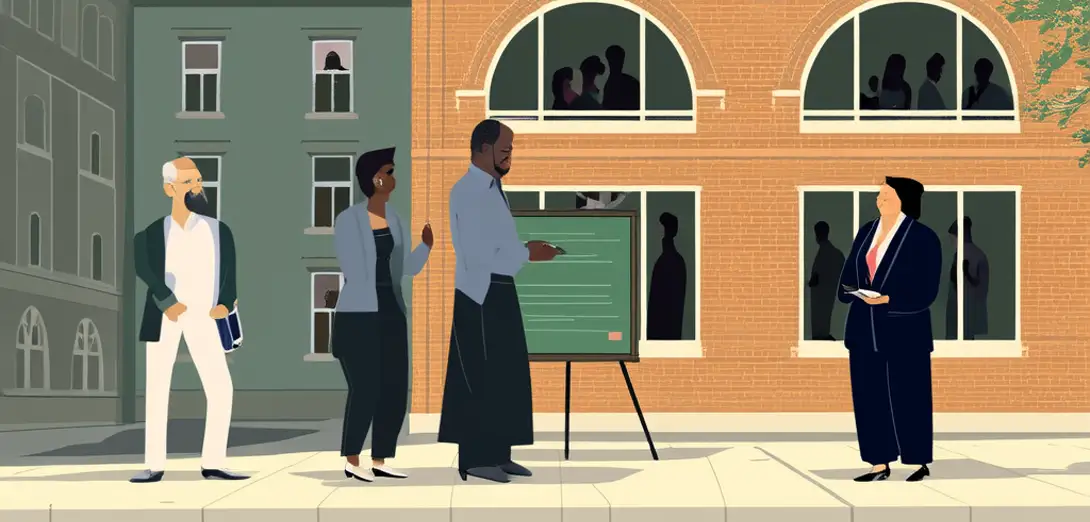
The Quiet Power of Local Policy—From Sidewalks to School Budgets
地方政策的静默力量:从人行道到学校预算
-
National elections capture headlines, but most economic decisions affecting daily life happen at city councils and school boards.全国大选常上头条,但影响日常生活的多数经济决策其实由市议会和学区委员会作出。
-
A zoning change allowing apartments near transit stations lowers rents, reduces commute times, and increases local tax revenue.调整分区规划,允许在交通枢纽附近建设公寓,可降低租金、缩短通勤时间,并增加地方税收。
-
When a town raises its minimum wage by $1.50, restaurant owners adjust menus, delivery apps reprice fees, and teens reconsider part-time jobs.小镇将最低工资提高1.5美元后,餐馆老板调整菜单,外卖平台重新定价,青少年则重新考虑兼职工作。
-
School budget votes determine whether students learn coding or carpentry—and whether teachers stay in the profession or leave for higher-paying states.学区预算投票决定学生学编程还是木工,也决定教师是留任还是因薪资偏低而转赴他州。
-
Local property tax rates influence who moves in, who gets priced out, and which businesses open near residential areas.地方房产税率影响谁搬进来、谁被挤出,以及哪些商家选择在住宅区周边开业。
-
A sidewalk repair initiative may seem minor, but it affects elderly residents’ mobility, delivery workers’ efficiency, and small shops’ foot traffic.人行道修缮计划看似微小,却关系到老年人出行便利、快递员配送效率,以及沿街小店的客流量。
-
Cities that fund bike lanes and safe crossings see fewer car-related injuries, lower healthcare costs, and higher retail sales per square meter.投资建设自行车道和安全过街设施的城市,交通事故伤者减少、医疗支出下降,且每平方米零售额上升。
-
Public library hours and digital access policies shape adult retraining, immigrant integration, and small-business research capacity.公共图书馆开放时长与数字资源使用政策,塑造成人再培训、移民融入及小微企业调研能力。
-
Local housing inspections don’t just enforce safety—they signal investor confidence and affect neighborhood credit ratings.本地房屋安全检查不仅保障居住安全,更传递投资者信心,并影响社区信用评级。
-
Even recycling rules reshape supply chains: stricter sorting requirements push manufacturers to redesign packaging months in advance.就连垃圾分类规则也能重塑供应链:更严格的分类要求倒逼制造商数月前就重新设计包装。
-
You may never attend a council meeting, but your commute, childcare options, and grocery prices reflect its last ten decisions.你或许从未参加过市议会会议,但你的通勤时间、托育选择和菜价,都反映着它最近十项决议。
-
Democracy isn’t only about voting every four years—it’s embedded in how sidewalks slope, how schools allocate laptops, and how parks schedule maintenance.民主不只是四年一次的投票——它体现在人行道的坡度、学校如何分配笔记本电脑、公园如何安排维修。