正在确认阅读权限…
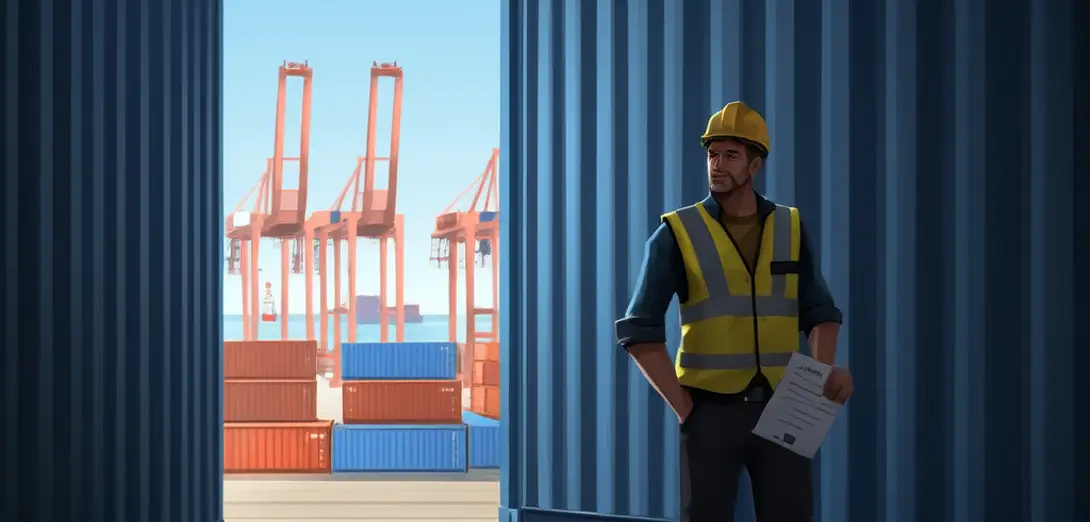
Supply Chains Are Human—Not Just Logistics Diagrams
供应链是人的网络,而非仅物流图表
-
When a smartphone arrives on time, it’s not because of flawless algorithms—but because a port worker in Rotterdam skipped lunch to clear customs paperwork.智能手机准时送达,并非因为算法完美无缺,而是因为鹿特丹的一名港口工人为处理清关文件放弃了午餐。
-
Coffee beans labeled 'fair trade' still depend on harvesters in Guatemala waking before dawn, often without clean water or injury insurance.标有‘公平贸易’的咖啡豆,仍依赖危地马拉采摘工在黎明前起床劳作,他们往往缺乏干净饮水和工伤保险。
-
Global supply chains collapse not at the first disruption, but when backup suppliers lack trained staff, language support, or reliable internet for coordination.全球供应链并非在首次中断时崩溃,而是在备用供应商缺少受训员工、语言支持或可靠网络协调能力时瓦解。
-
A semiconductor shortage delays car production not just due to factory fires, but because engineers in Taiwan, Germany, and Texas must align protocols across eight time zones.芯片短缺拖慢汽车生产,不仅因工厂火灾,更因台湾、德国和德克萨斯的工程师需跨越八个时区协调技术标准。
-
Retailers stock shelves using AI forecasts—but those models rely on historical data shaped by past discrimination in hiring, lending, and zoning.零售商用AI预测补货,但这些模型依赖的历史数据,本身已被过往招聘、信贷与城市规划中的歧视所塑造。
-
When a warehouse unionizes, delivery timelines shift not from slowdowns, but from redesigned safety checks and rest intervals mandated by collective agreement.当仓库成立工会后,配送时间表发生变化,并非源于效率下降,而是集体协议强制推行了新的安全检查与休息间隔。
-
The 'just-in-time' model maximizes efficiency until a typhoon hits a Vietnamese port—and then reveals how few bilingual logistics managers exist outside Ho Chi Minh City.‘准时制’模式虽提升效率,却在越南港口遭遇台风时暴露短板:除胡志明市外,几乎找不到双语物流经理。
-
Farm-to-table restaurants source locally not for trendiness, but because they’ve built trust with growers who’ll call personally when frost threatens crops.农场直供餐厅选择本地食材,并非赶潮流,而是已与种植户建立信任——霜冻威胁作物时,对方会亲自来电告知。
-
Blockchain tracking promises transparency, yet fails when smallholder farmers lack smartphones or data plans to log harvest dates.区块链溯源承诺透明,却在小农户缺乏智能手机或流量套餐记录采收日期时失效。
-
Resilient supply chains aren’t built with bigger warehouses—they’re built with multilingual training programs, cross-border labor accords, and shared emergency funds.有韧性的供应链并非靠扩建仓库建成,而是靠多语言培训、跨境劳工协定与共担应急资金支撑。
-
Behind every barcode is a chain of human judgment: who got hired, who stayed, who spoke up about unsafe equipment, who translated the manual.每个条形码背后,都是一连串人为判断:谁被录用、谁留任、谁就设备安全隐患发声、谁翻译了操作手册。
-
Understanding this reminds us that economic systems don’t run on code or capital alone—they run on dignity, translation, and the quiet courage to report a flaw.认清这一点提醒我们:经济系统不单靠代码或资本运转,更依靠尊严、翻译,以及报告缺陷所需的无声勇气。