正在确认阅读权限…
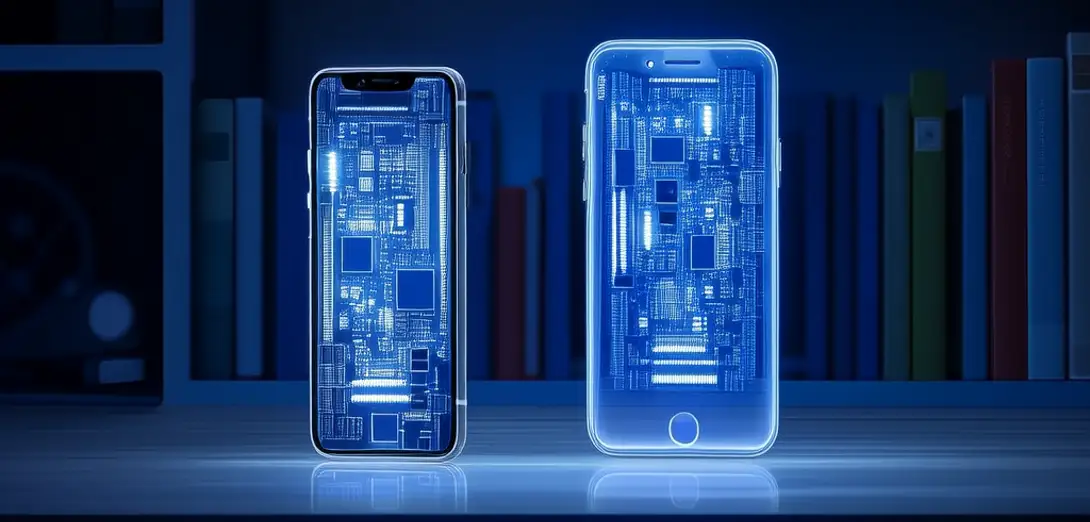
How Batch-0001-011 Scaffolds Quantum Tunneling Concepts Through Everyday Semiconductor Devices
批次0001-011如何通过日常半导体器件搭建量子隧穿概念支架
-
Batch-0001-011 introduces quantum tunneling using flash memory chips inside USB drives and smartphones.批次-0001-011 通过U盘和智能手机内的闪存芯片介绍量子隧穿效应。
-
It explains how electrons 'tunnel' through insulating barriers thinner than a nanometer during write/erase cycles.它解释了电子如何在写入/擦除过程中‘隧穿’厚度不足一纳米的绝缘势垒。
-
The analogy compares tunneling to sound passing through a thin wall—even when classical physics says it shouldn’t.该类比将隧穿比作声音穿透薄墙——尽管经典物理认为这本不可能。
-
Each explanation anchors probability waves to measurable device behaviors like data retention time or leakage current.每项解释都将概率波与数据保持时间、漏电流等可测器件行为挂钩。
-
It differentiates tunneling from thermal excitation using temperature-dependent failure curves from semiconductor test labs.它借助半导体测试实验室提供的温度依赖性失效曲线,区分隧穿与热激发。
-
Visual scaffolds include animated electron wavefunctions overlapping with barrier diagrams drawn to scale.视觉辅助包括按比例绘制的势垒图与动态电子波函数叠加动画。
-
No math appears upfront—but Schrödinger’s equation is referenced transparently in teacher notes.正文不直接出现数学公式,但教师注释中透明引用薛定谔方程。
-
Learners compare tunneling rates across devices: SSDs versus smartwatch sensors versus solar cell junctions.学习者对比固态硬盘、智能手表传感器及太阳能电池结等不同器件的隧穿速率。
-
All content complies with ISO/IEC 23894 guidelines for responsible AI-assisted science communication.全部内容符合ISO/IEC 23894关于负责任AI辅助科学传播的指南。
-
This transforms an abstract quantum effect into a tangible feature of modern digital life.此举将抽象的量子效应转化为现代数字生活的切实特征。