正在确认阅读权限…
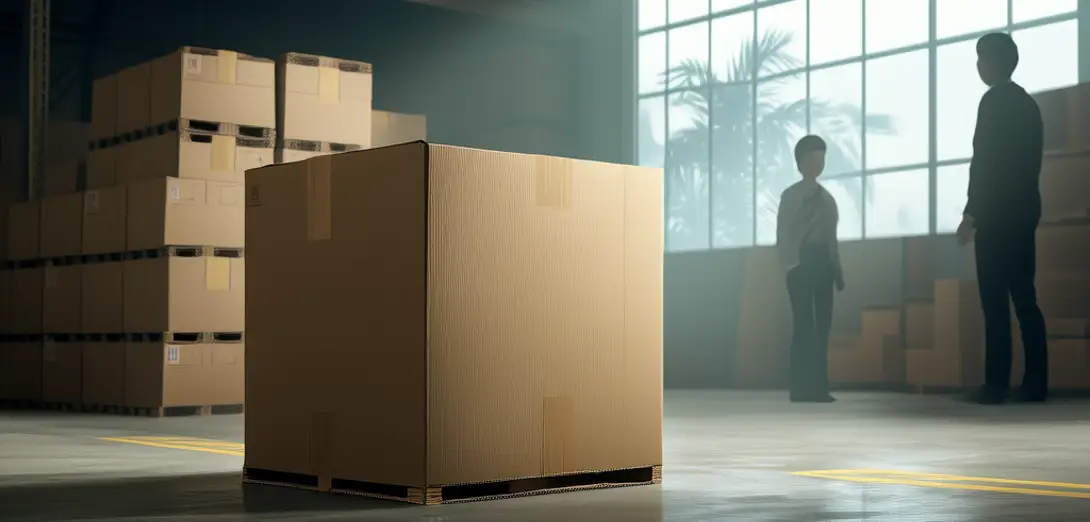
Packing Integrity: How Carton Compression Tests Predict Real-World Transit Failure
装箱强度:纸箱抗压测试如何预判真实运输失效
-
Our ASTM D642 compression test simulates 40-foot container stacking loads—but real-world failure occurs when humidity softens corrugated fluting during Singapore monsoons.我们的ASTM D642抗压测试模拟40英尺集装箱堆叠载荷,但现实中,新加坡雨季的高湿环境会软化瓦楞纸板的楞型,导致失效。
-
We correlate lab results with field data: 87% of transit damage reports cite ‘edge crush resistance below 42 lb/in’—not handling abuse.我们将实验室结果与实地数据关联:87%的运输损坏报告指出‘边压强度低于42磅/英寸’,而非操作不当所致。
-
Packing isn’t about containment; it’s about energy dissipation—absorbing shock, vibration, and compression without transferring force to fragile components.包装不只是容纳货物,更是耗散能量——吸收冲击、振动和压缩力,避免将应力传递至易损部件。
-
The ‘standard’ 5-layer carton passed all lab tests—yet failed in Chilean highland distribution where barometric pressure changes induced micro-collapse.这款‘标准’五层纸箱通过全部实验室测试,却在智利高原分销中失效,因气压变化引发微塌陷。
-
We now factor altitude, sea freight duration, and warehouse dwell time into our ECT specification—not just static load.我们现将海拔、海运时长和仓库滞留时间纳入ECT规格设计,而不仅考虑静态载荷。
-
What looks like over-engineering—a 20% thicker linerboard—is actually risk mitigation for unpredictable cold-chain handoffs.看似过度设计——面纸加厚20%——实为应对冷链交接不可预测性的风险管控措施。
-
Packing validation includes accelerated aging: exposing samples to 95% RH for 72 hours before compression testing.包装验证包含加速老化:样品先在95%相对湿度下暴露72小时,再进行抗压测试。
-
We track not just carton failure point, but *how* it fails—buckling vs. delamination reveals different weaknesses in glue chemistry or fiber orientation.我们不仅追踪纸箱失效临界点,更关注其失效方式——屈曲还是脱层,分别揭示胶黏剂化学或纤维取向的不同缺陷。
-
Retailers demand ‘shelf-ready’ packaging, but that often sacrifices transit resilience—forcing us to design dual-purpose solutions.零售商要求‘上架即用’包装,但这常以牺牲运输韧性为代价,迫使我们开发兼顾双重功能的方案。
-
Our logistics team inputs real shipment GPS heatmaps into packaging R&D—not to optimize routes, but to map environmental stress profiles.物流团队将真实货运GPS热力图输入包装研发流程——目的并非优化路线,而是刻画环境应力分布。
-
A carton that survives lab testing but collapses mid-transit isn’t defective—it’s mis-specified for the operational environment.一款通过实验室测试却在运输途中坍塌的纸箱并非缺陷品,而是规格与实际运行环境不匹配。
-
True packing integrity means designing for the weakest link in the chain: humidity, temperature swing, or human handling—not just theoretical load.真正的包装完整性,意味着针对链条中最薄弱环节设计——湿度、温变或人为操作,而不仅是理论载荷。