正在确认阅读权限…
Customs Classification: When Harmonized System Codes Shape Profit Margins
报关归类:协调制度编码如何塑造利润空间
-
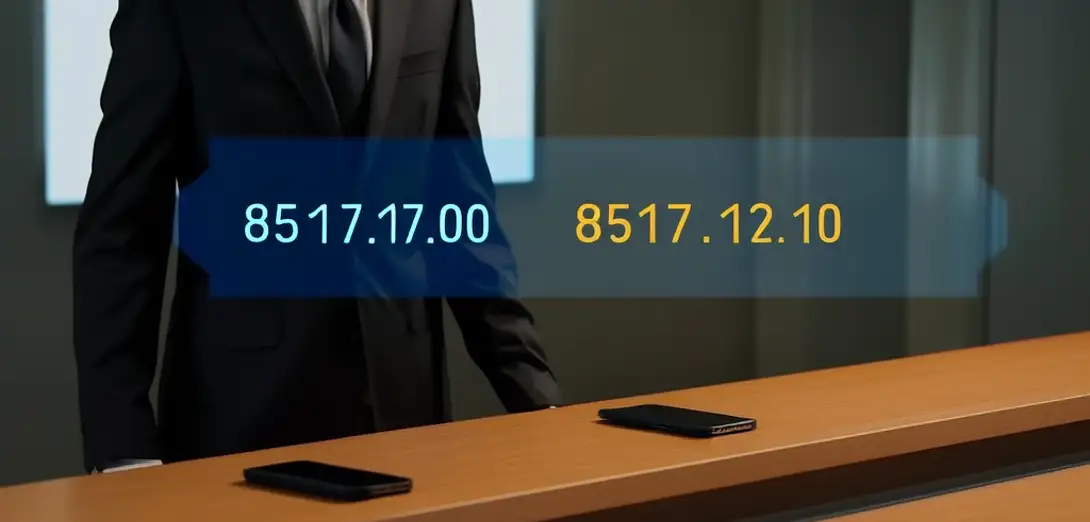
HS Code 8517.12.00 attracted 0% duty in Canada—but 8517.12.10 triggered 6.5% under tariff quota exhaustion, reducing margin by €142,000 on this order.加拿大对HS编码8517.12.00免征关税,但8517.12.10因关税配额用尽而适用6.5%税率,导致本订单利润减少14.2万欧元。
-
Classification isn’t technical taxonomy; it’s commercial negotiation with customs authorities—where product narrative, not just specs, determines duty rate.商品归类并非纯技术分类,而是与海关当局的商业谈判——产品描述(而非仅技术参数)决定税率。
-
We submitted three classification opinions: our own, a third-party consultant’s, and the importer’s—then reconciled discrepancies using WTO HS Explanatory Notes.我们提交了三份归类意见:我方、第三方顾问及进口商各自出具,再依据WTO《协调制度》解释性说明协调差异。
-
The difference between ‘parts suitable for use’ and ‘finished goods’ hinged on whether firmware was loaded pre-shipment—a detail buried in Annex IV.‘适用于某设备的零件’与‘成品’的区别,取决于固件是否在装运前已预装——该细节藏于附件四中。
-
Customs rulings are jurisdictional, not global: the same device qualified as ‘medical equipment’ in Germany but ‘consumer electronics’ in Brazil.海关裁定具有地域性,而非全球通用:同一设备在德国被认定为‘医疗器械’,在巴西却被归为‘消费电子产品’。
-
We now embed classification risk assessment into quoting—flagging items where duty variance exceeds 3% of landed cost.我们现已将归类风险评估嵌入报价流程,对关税波动超过完税成本3%的商品自动预警。
-
What looks like clerical work—choosing a six-digit code—is actually forecasting trade policy exposure across 200+ tariff lines.看似简单的文书工作——选择六位HS编码——实则是在预测横跨200多条税号的贸易政策风险。
-
Our legal team cross-references HS codes against recent anti-dumping orders—not just current tariffs—because classification affects eligibility for exemptions.我方法务团队不仅比对现行关税,更核查HS编码是否涉及最新反倾销令,因归类结果影响免税资格。
-
A ‘correct’ classification today may become non-compliant tomorrow if WCO updates Explanatory Notes or regional courts reinterpret case law.今日‘正确’的归类,可能因世界海关组织更新解释性说明或区域法院重释判例而明日失效。
-
We maintain a live HS database with annotations: ‘high-risk,’ ‘pending review,’ or ‘subject to binding ruling’—not just numeric codes.我们维护动态HS数据库,标注‘高风险’‘待复核’或‘受具约束力裁定约束’等状态,不只存数字编码。
-
Profit margins aren’t set at negotiation—they’re reshaped at the border, where one digit in a 10-character code alters landed cost irreversibly.利润并非谈判时确定,而是在边境重塑——10位编码中仅1位之差,即可不可逆地改变完税成本。
-
Classification is less about what the product *is*, and more about how regulators *interpret* its function, origin, and end-use in context.归类关键不在产品‘是什么’,而在监管机构如何结合功能、原产地和最终用途来‘解读’它。