正在确认阅读权限…
The Hidden Labor in Everyday Transactions
日常交易背后的隐形劳动
-
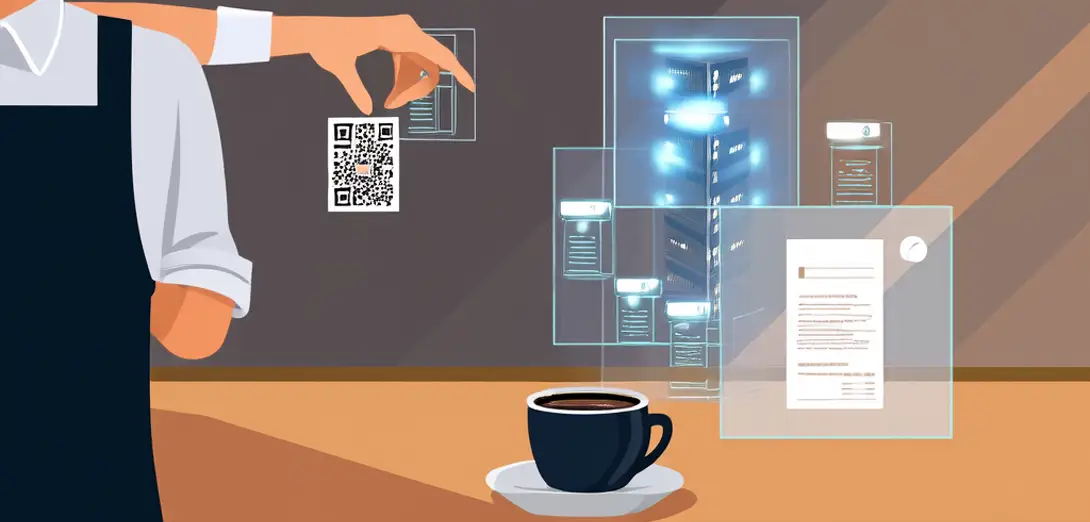
Scanning a QR code to pay for coffee seems effortless—but it relies on secure servers, payment gateway maintenance, anti-fraud monitoring, and merchant account compliance checks.扫码买咖啡看似轻松,实则依赖安全服务器、支付网关维护、反欺诈监控及商户账户合规检查。
-
Ordering groceries online involves warehouse pickers optimizing paths, delivery drivers navigating traffic and parking, and customer service agents resolving substitutions or cold-chain failures.在线买菜涉及仓库拣货员优化路径、快递司机应对交通与停车、客服人员处理商品替换或冷链故障。
-
Filing taxes digitally saves time, yet users spend hours gathering documents, interpreting instructions, verifying entries, and troubleshooting software errors or connectivity issues.线上报税虽省时,用户却需花数小时整理材料、理解指引、核对信息,并排查软件错误或网络问题。
-
Booking a flight requires airline staff updating fare rules, airport agents coordinating gate changes, baggage handlers tracking luggage across time zones, and IT teams maintaining reservation systems.预订航班需航空公司更新票价规则、机场地勤协调登机口变更、行李员跨时区追踪行李,以及IT团队维护订座系统。
-
Returning an online purchase triggers logistics coordination, restocking decisions, quality inspections, and customer service follow-ups—all invisible to the buyer clicking ‘initiate return’.网购退货触发物流调度、补货决策、质检流程和客服跟进——买家点击‘申请退货’时,这些全然不可见。
-
Using a smart speaker to set reminders depends on voice recognition engineers refining accents, cloud infrastructure teams scaling servers, and privacy auditors reviewing data handling protocols.用智能音箱设提醒,依赖语音识别工程师优化口音适配、云基础设施团队扩容服务器,以及隐私审计员审查数据处理规范。
-
Signing a lease involves not just landlord and tenant, but credit bureaus verifying history, title companies checking property liens, and notaries validating identity remotely or in person.签租房合同不仅涉及房东与租客,还需征信机构核实信用记录、产权公司核查房产抵押情况,以及公证员远程或当面验证身份。
-
Renewing a driver’s license online still requires backend staff processing photos, verifying residency documents, updating DMV databases, and mailing physical cards with security features.网上更新驾照仍需后台人员审核照片、核验居住证明、更新车管局数据库,并邮寄带防伪功能的实体卡片。
-
Subscribing to a streaming service entails content licensing negotiations, regional geo-blocking systems, recommendation algorithm tuning, and customer retention analysis.订阅流媒体服务涵盖内容授权谈判、区域地理屏蔽系统、推荐算法调优及用户留存分析。
-
Even ‘free’ mobile apps generate revenue through ad targeting—requiring data scientists to model behavior, marketers to segment audiences, and compliance officers to uphold privacy laws globally.即便是‘免费’手机应用,也靠广告精准投放盈利——需数据科学家建模用户行为、营销人员细分受众,以及合规专员确保全球隐私法规落实。
-
This invisible infrastructure doesn’t operate autonomously; it’s maintained, adapted, and repaired by people whose work enables convenience without appearing in receipts or interfaces.这套隐形基础设施并非自动运行,而是由一群幕后工作者持续维护、调整与修复,让便利成为可能,却从不出现在账单或界面中。
-
Recognizing this labor fosters more thoughtful consumption, realistic expectations about service reliability, and greater appreciation for the human systems behind seamless experiences.认识到这份劳动,有助于我们更审慎消费、对服务可靠性抱合理预期,并更珍视无缝体验背后的人力支撑。