正在确认阅读权限…
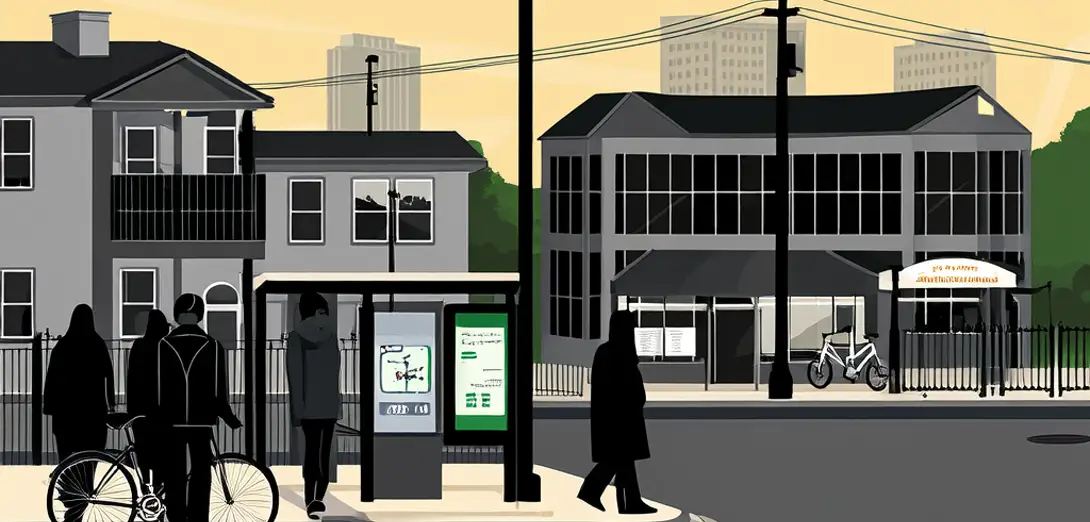
What Makes a Neighborhood Affordable—Really?
真正让一个社区可负担的是什么?
-
Affordability isn’t just about rent or home prices—it includes transit costs, childcare availability, proximity to quality schools, and time spent commuting to stable jobs.可负担性不仅关乎房租或房价,还包括交通费用、托育服务可及性、优质学校距离,以及通勤至稳定工作地点所耗时间。
-
A neighborhood with low rents may lack grocery stores, forcing residents to spend more on ride-shares or car maintenance—reducing true disposable income.租金低廉的社区可能缺乏超市,迫使居民增加网约车或汽车维保支出,从而降低实际可支配收入。
-
Zoning laws that prohibit multi-family housing limit supply, pushing up prices even where incomes remain flat—a structural issue no individual budget can fix.禁止多户住宅的分区法规限制供给,即使收入停滞,房价仍被推高——这是单靠个人预算无法解决的结构性问题。
-
‘Walkability’ affects affordability more than many realize: safe sidewalks, crosswalks, and lighting reduce transportation costs and expand access to jobs, healthcare, and social services.‘步行友好性’对可负担性的影响远超多数人认知:安全的人行道、斑马线和照明能降低交通成本,并扩大就业、医疗及社会服务的可及性。
-
Childcare deserts—areas with few licensed providers—force parents into informal arrangements or unpaid leave, effectively cutting household income by 20–40%.托育荒漠——即持证托育机构稀缺的区域——迫使家长依赖非正式照护安排或无薪休假,变相削减家庭收入20%至40%。
-
School quality perceptions drive housing demand, yet public investment disparities mean high-performing districts often exclude lower-income families through price alone.对学校质量的普遍认知拉动住房需求,但公共投入不均导致优质学区往往仅凭房价就将低收入家庭拒之门外。
-
Healthcare access shapes affordability too: neighborhoods with few clinics or long wait times increase absenteeism, reduce productivity, and raise out-of-pocket costs for urgent care.医疗可及性同样影响可负担性:诊所稀少或候诊时间过长的社区会加剧缺勤、降低生产力,并推高紧急就医的自付费用。
-
Digital infrastructure matters: unreliable broadband hampers remote work, online learning, telehealth, and even government service access—creating hidden opportunity costs.数字基础设施至关重要:不可靠的宽带阻碍远程办公、在线学习、远程医疗乃至政府服务获取,带来隐性机会成本。
-
Safety perceptions influence affordability indirectly: fear of crime restricts evening work shifts, limits informal economy participation, and depresses local business investment.安全感认知间接影响可负担性:对犯罪的担忧限制夜间工作、削弱非正规经济参与,并抑制本地商业投资。
-
Cultural amenities—libraries, community centers, language-accessible services—don’t appear in rent calculations, yet they strengthen social cohesion and reduce isolation-related health costs.文化设施——如图书馆、社区中心、语言无障碍服务——虽未计入租金计算,却增强社会凝聚力,降低因孤独引发的健康支出。
-
True affordability emerges from interconnected systems: housing, transport, education, health, and digital access—not from any single metric or policy lever.真正的可负担性源于住房、交通、教育、医疗与数字接入等系统的相互关联,而非单一指标或政策工具。
-
Assessing neighborhood viability means looking beyond price tags to ask: who can live here fully, participate meaningfully, and plan confidently for the future?评估社区可持续性,不能只看价格标签,而应追问:谁真能在此安居、充分参与、并自信规划未来?