正在确认阅读权限…
Standalone STEM Exposition: 2026-D018
独立STEM阐释:2026-D018
-
This exposition examines how urban stormwater infrastructure in Rotterdam reconfigures hydrological literacy as a distributed civic competency.本次展览探讨鹿特丹城市雨水基础设施如何将水文素养重构为一种分布式的公民能力。
-
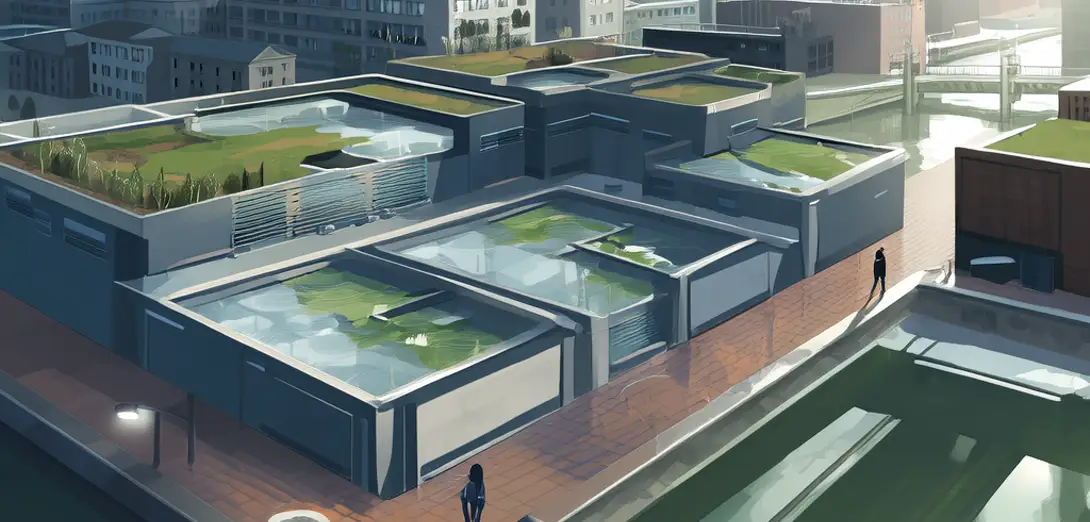
Engineers, municipal planners, and neighborhood associations co-design retention basins that double as public plazas during dry seasons.工程师、市政规划师与社区协会共同设计蓄水池,旱季时兼作公共广场。
-
Real-time sensor networks feed localized flood probability models into bilingual community dashboards accessible via QR-coded signage.实时传感器网络将本地化洪水概率模型数据接入双语社区信息看板,公众可通过二维码标识扫码访问。
-
Rather than framing water management as purely technical, the project treats hydrology as a shared narrative space shaped by multilingual stakeholder input.该项目不将水资源管理视为纯技术问题,而是将其视作由多语种利益相关者共同塑造的共享叙事空间。
-
School curricula integrate basin maintenance logs into data literacy units, where students analyze seasonal variance in infiltration rates and sediment load.学校课程将蓄水池维护日志纳入数据素养教学单元,学生据此分析入渗速率与泥沙负荷的季节性变化。
-
Architectural blueprints include annotated margins explaining material choices through embodied thermal mass and capillary action principles.建筑蓝图在页边空白处添加注释,以热质量效应与毛细作用原理阐释材料选择依据。
-
Public workshops avoid jargon-heavy explanations, instead using tactile models showing how permeable pavers alter subsurface flow vectors.公众工作坊避免使用术语堆砌的讲解,转而采用触觉模型,直观展示透水铺装如何改变地下水流向。
-
The initiative reframes resilience not as engineered immunity but as adaptive feedback capacity across ecological, infrastructural, and social layers.该倡议将韧性重新定义为生态、基础设施与社会各层面协同适应的反馈能力,而非工程化的绝对抗性。
-
Documentation emphasizes process over outcome—highlighting failed prototypes, recalibrated thresholds, and negotiated trade-offs among competing land uses.项目文档重过程轻结果——突出失败原型、阈值再校准及不同土地用途间的协商权衡。
-
Citizen-generated rainfall diaries inform model validation, making vernacular observation a legitimate data source alongside automated gauges.市民记录的降雨日记用于模型验证,使民间观测成为与自动雨量计并列的有效数据来源。
-
Policy briefs cite both hydraulic simulation outputs and resident interviews when justifying budget allocations for green-gray hybrid systems.政策简报在论证绿色-灰色混合系统预算分配时,同时援引水力模拟结果与居民访谈资料。
-
This case illustrates how standalone STEM exposition can sustain conceptual rigor while decentralizing epistemic authority beyond disciplinary gatekeepers.本案例表明,独立的STEM主题展览可在保持概念严谨性的同时,将知识权威从学科守门人手中下放。