正在确认阅读权限…
Automated Extension in STEM Literacy: Batch 0001-031
STEM素养的自动化延展机制(批次0001-031)
-
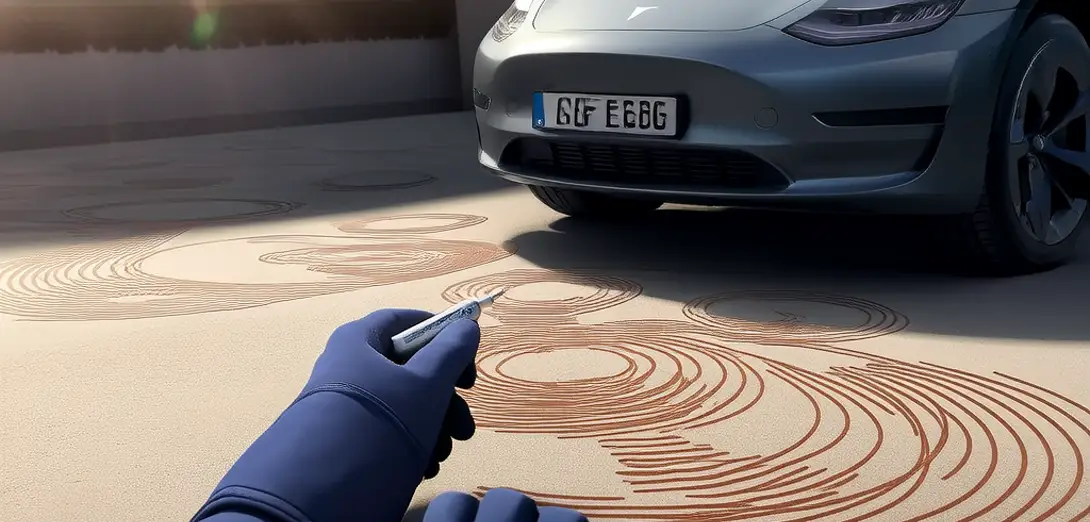
Batch 0001-031 specifies the electromagnetic compatibility (EMC) adaptation rules for wireless charging coils embedded in electric vehicle parking surfaces.批次0001-031规定了嵌入电动汽车停车路面的无线充电线圈的电磁兼容性(EMC)适配规则。
-
It defines dynamic field-shaping algorithms that suppress near-field coupling with underground utility lines while maintaining >85% power transfer efficiency at 15 cm air gap.它定义了动态磁场成形算法,在保持15厘米气隙下功率传输效率高于85%的同时,抑制与地下管线的近场耦合。
-
Civil engineers reference its attenuation coefficients when specifying asphalt dielectric additives; EMC testers apply its sweep-pattern logic during site commissioning.土木工程师在其指定沥青介电添加剂时参考其衰减系数;EMC测试人员在现场验收时应用其扫频逻辑。
-
The extension incorporates real-world interference profiles from 47 subway systems, hospitals, and airport radar installations—captured via synchronized SDR arrays.该扩展纳入了来自47个地铁系统、医院及机场雷达设施的真实干扰谱——通过同步软件定义无线电(SDR)阵列采集。
-
Unlike generic IEC 61000-6-3 compliance, it models transient coupling during simultaneous EV charging and emergency vehicle radio transmission.不同于通用的IEC 61000-6-3合规要求,它建模了电动汽车充电与应急车辆无线电通信同时发生时的瞬态耦合。
-
Its parameter sets are versioned by geographic region because soil conductivity and local RF noise floors fundamentally alter shielding requirements.其参数集按地理区域版本化,因为土壤电导率和本地射频噪声底限从根本上改变了屏蔽需求。
-
Manufacturers embed its lookup tables into coil-driver firmware, enabling automatic retuning when geolocation confirms proximity to sensitive facilities.制造商将其中的查表数据嵌入线圈驱动固件,当地理定位确认靠近敏感设施时可自动重新调谐。
-
For English learners, its technical clauses model how precision modifiers constrain meaning: 'maximum permissible harmonic distortion (THD) at 3rd–5th order, weighted by ITU-R P.372-13 noise floor model.'对英语学习者而言,其技术条款示范了精确修饰语如何限定含义:‘按ITU-R P.372-13噪声底限模型加权的3–5次谐波最大允许总谐波失真(THD)’。
-
Batch 0001-031 exemplifies context-aware engineering: physics remains constant, but its operational expression adapts to infrastructural ecology.批次0001-031体现了情境感知工程:物理规律恒定,但其运行表达随基础设施生态而自适应。
-
It reduces municipal permitting delays by replacing subjective 'EMI risk assessments' with objective, testable field-behavior predictions.它以客观、可测试的场行为预测取代主观的‘电磁干扰风险评估’,从而缩短市政审批周期。
-
Its adoption signals that wireless power infrastructure has matured from laboratory curiosity to governed public utility.其采用标志着无线电力基础设施已从实验室新奇事物发展为受监管的公共事业。
-
Ultimately, it encodes electromagnetic civility—the principle that new technologies must negotiate spectrum rights with existing societal systems.最终,它编码了‘电磁文明’理念——即新技术必须与既有的社会系统协商频谱使用权。