正在确认阅读权限…
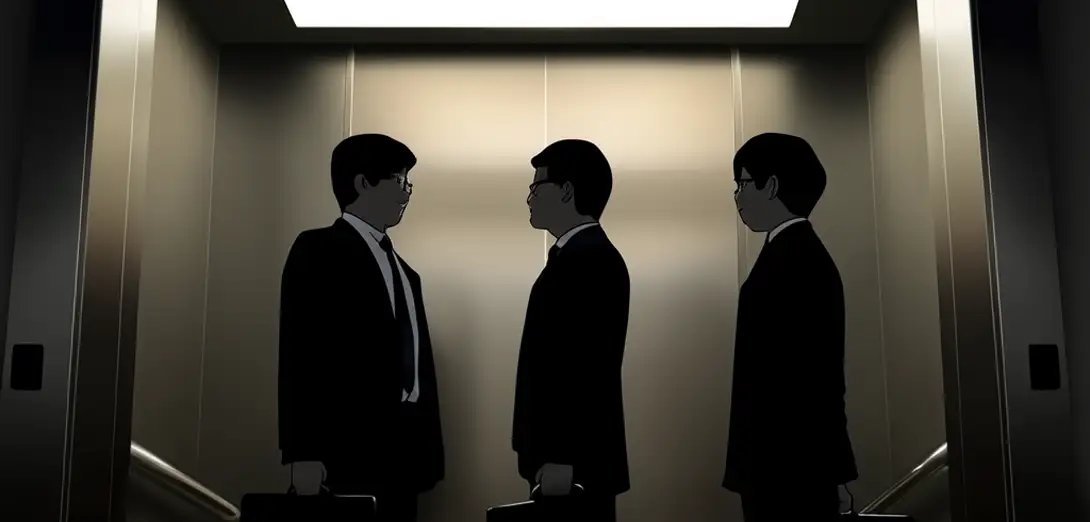
The Unspoken Contract of Japanese Elevator Etiquette
日本电梯礼仪:沉默中的社会契约
-
In Tokyo office buildings, riders instinctively face forward, avoid eye contact, and refrain from speaking—even when riding with colleagues.在东京的办公楼电梯里,乘客本能地面向前方、避免眼神接触,甚至与同事同乘时也保持沉默。
-
This behavior is not mere politeness but a calibrated performance of group harmony, where spatial silence signals respect for shared anonymity.这种行为并非单纯的礼貌,而是对群体和谐的精准演绎,空间上的静默传递着对共处匿名性的尊重。
-
Unlike Western elevators where small talk often eases tension, Japanese elevator conduct treats proximity as temporary social suspension.与西方电梯中寒暄常用来缓解紧张不同,日本电梯礼仪将身体邻近视为一种暂时的社会暂停。
-
Managers who initiate conversation in such settings may unintentionally breach uncodified norms governing transitional public space.管理者若在此类场合主动搭话,可能无意间触犯了针对过渡性公共空间的不成文规范。
-
Urban sociologists note that this ritual reflects broader cultural priorities: contextual appropriateness over individual expressiveness.城市社会学家指出,这一仪式反映更深层的文化取向:重视情境得体,而非个体表达。
-
Foreign business visitors frequently misinterpret the quiet as coldness, overlooking its function as a boundary-maintaining mechanism.外国商务访客常将这种安静误读为冷漠,忽视其作为边界维系机制的功能。
-
Training modules for multinational firms now include elevator etiquette as a diagnostic marker of cultural fluency—not just language proficiency.跨国企业培训模块如今已将电梯礼仪纳入文化适应力的诊断指标——不仅关乎语言能力。
-
Even smartphone use is subtly regulated: holding a device at chest height minimizes visual intrusion, whereas raising it to eye level violates tacit rules.就连手机使用也受到微妙约束:将手机置于胸前高度可减少视觉干扰,抬至 eye level 则违背默会规则。
-
The practice persists despite automation because it fulfills a psychosocial need—predictability in fleeting, high-density encounters.尽管电梯已全面自动化,该习俗依然延续,因其满足了一种心理社会需求——在短暂而高密度的相遇中提供可预期性。
-
When foreign interns begin mirroring this behavior after three weeks, locals register it as their first sign of genuine acculturation.当外国实习生三周后开始自然模仿这一行为,当地人便视其为真正文化适应的首个信号。
-
Such micro-rituals reveal how deeply culture operates below lexical awareness, shaping interaction before a single word is spoken.此类微小仪式揭示出文化如何在词汇意识之下深层运作,在开口之前即已塑造人际互动。
-
Ultimately, elevator etiquette in Japan functions less as constraint and more as collective infrastructure for urban coexistence.归根结底,日本的电梯礼仪并非束缚,而是城市共存所需的集体基础设施。