正在确认阅读权限…
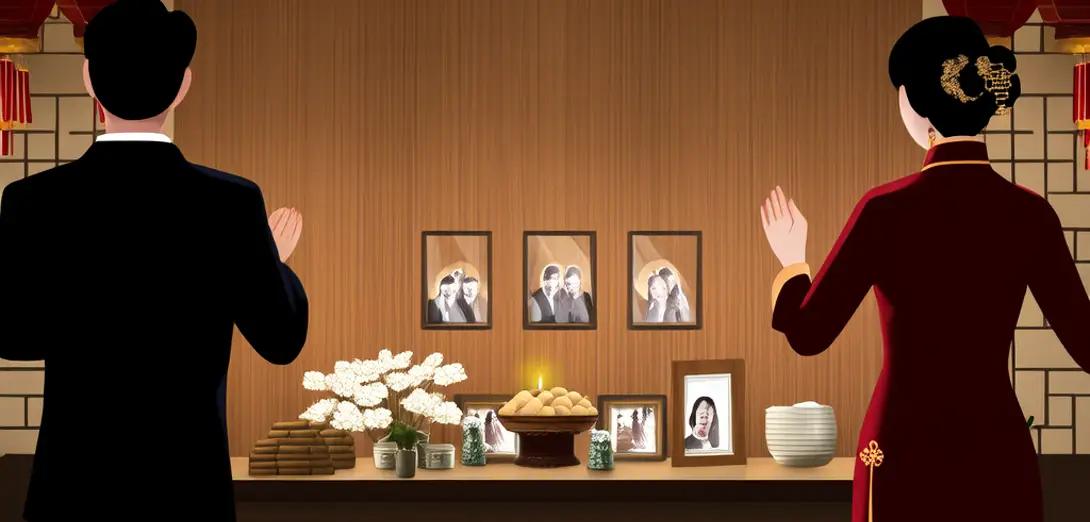
Vietnamese Tết Nguyên Đán Altar Negotiations as Intergenerational Contract Re-Enactment
越南春节祭坛协商:代际契约的再演绎
-
Vietnamese Tết altars function not as static memorials but as annual negotiation tables where ancestral expectations confront contemporary life choices.越南春节祭坛并非静止的纪念物,而是每年一度的协商台,祖先的期许在此与当代生活选择交锋。
-
Young adults place smartphones beside incense burners, signaling digital identity as legitimate inheritance alongside rice wine and betel nuts.年轻人把智能手机放在香炉旁,表明数字身份与米酒、槟榔一样,是正当的传承。
-
The placement of photos—vertical alignment, frame material, lighting angle—communicates filial compliance or quiet dissent to elders’ unspoken terms.照片的摆放——垂直对齐、相框材质、灯光角度——向长辈无声传达孝顺或隐晦的异议。
-
When a daughter postpones marriage, her altar contribution shifts from red-dyed glutinous rice to white lotus paste, encoding renegotiation without direct confrontation.当女儿推迟婚期,她供奉祭坛的祭品便从红糯米变为白莲蓉,以含蓄方式重新协商,避免正面冲突。
-
Corporate executives in Ho Chi Minh City now consult feng shui advisors not for luck but to calibrate altar symbolism with ESG reporting frameworks.胡志明市的企业高管如今请风水师不是为求好运,而是将祭坛象征与ESG报告框架校准一致。
-
Altar cleaning rituals involve wiping ancestral tablets with cloth dipped in tea—not water—symbolizing clarity drawn from lived experience, not abstract doctrine.祭坛清洁仪式中,用浸过茶水的布擦拭祖先牌位,象征清晰源于亲历经验,而非抽象教条。
-
Refusing to light incense is rare; instead, millennials substitute LED candles programmed to flicker at ancestral birth hours, merging devotion with algorithmic precision.拒绝上香极为罕见;千禧一代转而使用LED电子蜡烛,按祖先出生时刻编程闪烁,将虔诚与算法精度融合。
-
During diaspora Tết, altar photos include grandparents’ graves in Vietnam and grandchildren’s school IDs in California, stitching transnational kinship into ritual geometry.海外越南人过春节时,祭坛照片既含祖父母在越南的墓地,也含孙辈在加州的学籍卡,以仪式几何缝合跨国亲缘。
-
The number of fruit tiers reflects not prosperity but generational balance: three tiers for three living generations, four if elders still farm ancestral land.供果层数不表财富,而示代际平衡:三代同堂摆三层,若长辈仍在祖田耕作则加至四层。
-
When climate change floods Mekong Delta villages, families relocate altar stones to higher ground, treating geography as co-signatory to intergenerational pacts.当气候变化导致湄公河三角洲村庄被淹,家人将祭坛石移至高地,视地理环境为代际契约的共同签署方。
-
This is constitutional theater: legitimacy conferred not by signatures but by synchronized breath, shared steam, and timed bowing rhythms.这是宪制性剧场:合法性不由签名赋予,而来自同步呼吸、共沐蒸汽与节奏一致的叩首。
-
Western observers mistake altar symmetry for tradition; insiders know every asymmetry carries calibrated moral weight.西方观察者误将祭坛对称视为传统; insiders深知每一处不对称都承载着精心权衡的道德分量。