正在确认阅读权限…
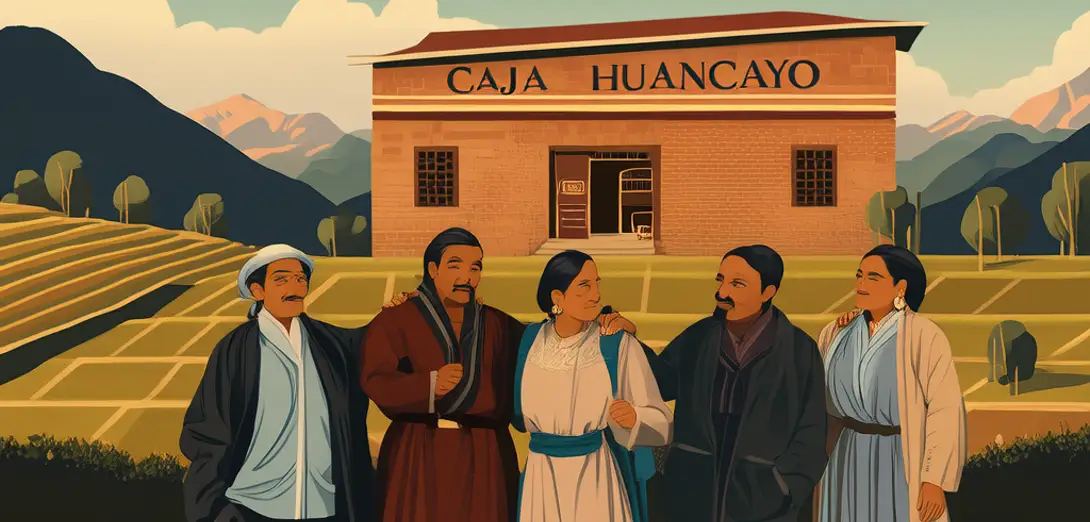
Peruvian Andean Ayni Ethics in Modern Cooperative Banking
秘鲁安第斯‘阿伊尼’伦理在现代合作银行中的实践
-
Ayni—the Andean principle of reciprocal labor exchange—is codified into loan approval criteria at Caja Huancayo, a Peruvian cooperative bank serving 12,000 rural clients.艾尼(Ayni)——安第斯地区互惠劳动交换原则——已被纳入秘鲁胡安卡约储蓄信贷合作社的贷款审批标准,该银行服务1.2万名农村客户。
-
Applicants submit not credit scores but community attestations verifying participation in irrigation repairs, school construction, or elder care—measurable ayni contributions.申请人提交的不是信用评分,而是社区证明,核实其参与灌溉设施维修、校舍建设或老人照护等可量化的艾尼贡献。
-
Loan officers conduct field visits not to assess collateral but to observe household-level reciprocity patterns: how food, tools, and childcare circulate without ledger.信贷员实地走访并非为了评估抵押品,而是观察家庭层面的互惠模式:食物、工具和儿童照护如何在无账目记录的情况下流转。
-
Default rates remain below 2.3%—lower than national averages—because repayment is framed as restoring relational equilibrium, not fulfilling debt.违约率持续低于2.3%,低于全国平均水平,因为还款被视为恢复关系平衡,而非履行债务。
-
When drought hits, loan terms adjust automatically: borrowers contribute labor to communal water projects instead of cash installments.遭遇干旱时,贷款条款自动调整:借款人以参与集体水利项目劳动替代现金分期还款。
-
Urban branches in Lima now offer 'ayni-linked savings accounts' where interest accrues based on verified volunteer hours with migrant support NGOs.利马市区分行现已推出‘艾尼挂钩储蓄账户’,利息按经核实的志愿服务时长(服务于移民支持非政府组织)计算。
-
Economists critique the model as inefficient, yet acknowledge it achieves financial inclusion where conventional banking failed for 40 years.经济学家批评该模式效率低下,却承认它实现了传统银行业务四十年来未能达成的金融包容。
-
Board meetings open with collective weaving—a textile practice embodying interdependence—and decisions require consensus, not majority vote.董事会会议以集体编织开场——这一纺织实践象征相互依存——且决策须经共识,而非多数表决。
-
The bank publishes annual 'Reciprocity Balance Sheets' showing kilos of potatoes shared, kilometers of trail repaired, and hours of childcare exchanged.银行每年发布《互惠资产负债表》,列明共享土豆公斤数、修复步道公里数及交换育儿小时数。
-
Foreign development agencies initially dismissed ayni as 'informal', until satellite data confirmed villages with strong ayni networks recovered faster from climate shocks.外国发展机构起初将艾尼视为‘非正式’而予以忽视,直至卫星数据证实:艾尼网络强的村庄应对气候冲击恢复更快。
-
This system treats money not as neutral medium but as crystallized social energy requiring ethical circulation.该体系视金钱并非中立媒介,而是需合乎伦理循环流动的社会能量结晶。
-
In the Andes, finance is not extracted—it is cultivated, like quinoa, through seasons of giving and receiving.在安第斯地区,金融不是被攫取的,而是如藜麦一般,在给予与接受的季节中培育而成。