正在确认阅读权限…
Salt Rituals and Hydrological Memory in Saharan Caravan Cities
撒哈拉商队城市中的盐仪与水文记忆
-
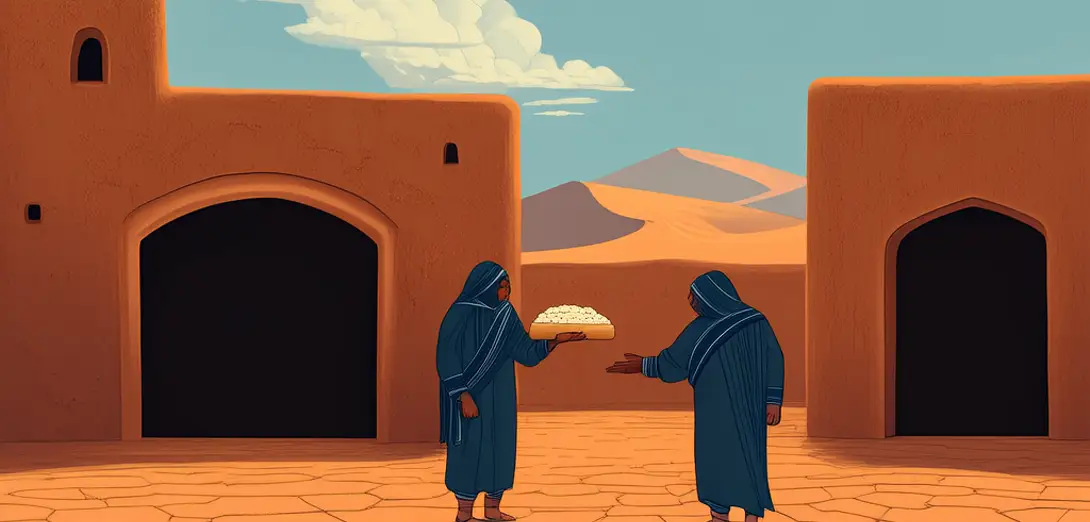
In Timbuktu and Taghaza, salt cakes weren’t mere commodities but ritual objects embedded in marriage contracts, oath-swearing ceremonies, and drought-relief protocols.在廷巴克图和塔加扎,盐饼不仅是商品,更是嵌入婚姻契约、誓约仪式和抗旱规程中的仪式性物品。
-
Trans-Saharan caravan ledgers list salt shipments alongside Quranic verses and medicinal herbs—treating mineral exchange as inseparable from spiritual and physiological balance.穿越撒哈拉的商队账簿将盐货 shipments 与《古兰经》经文、药用草本并列记载,视矿物交易为精神平衡与生理平衡不可分割的一部分。
-
French colonial administrators dismissed salt rituals as 'superstitious barter', failing to recognize how salinity gradients in well water indexed ecological memory across centuries of aridification.法国殖民官员将盐仪式斥为‘迷信式易货’,却未能意识到井水盐度梯度实为数百年干旱化进程中生态记忆的指标。
-
Contemporary hydrogeologists now cross-reference oral histories of salt-laden wells with chloride-isotope dating to reconstruct pre-colonial aquifer recharge patterns.当代水文地质学家如今将含盐井的口述史与氯同位素测年交叉比对,以重建殖民前含水层补给模式。
-
The geometric stacking of salt blocks in mosque courtyards wasn’t decorative—it replicated ancient trade-route topographies, mapping commercial ethics onto sacred space.清真寺庭院中盐块的几何堆叠并非装饰——它复刻了古老商路的地貌结构,将商业伦理映射于神圣空间。
-
UNESCO restoration guidelines prohibit synthetic sealants on historic salt-storage vaults, preserving natural hygroscopic breathing essential to ritual humidity control during Ramadan fasting.联合国教科文组织修复指南禁止在历史盐仓 vaults 上使用合成密封剂,以保留其天然吸湿呼吸功能,保障斋月禁食期间仪式所需的湿度调控。
-
Salt’s preservative function extended beyond food: treaties sealed with salt-infused ink remain legible where iron-gall ink corroded on parchment exposed to desert heat.盐的防腐功能不仅限于食物:以盐浸墨水签署的条约至今清晰可辨,而暴露于沙漠高温下的铁胆墨水 parchment 却已腐蚀褪色。
-
Modern Tuareg cooperatives issue digital certificates for artisanal salt harvests—but each includes a QR code linking to elder-narrated origin stories, not just traceability data.当代图阿雷格合作社为手工采盐颁发数字证书——每份证书均含二维码,链接至长老讲述的起源故事,而不仅是溯源数据。
-
Such practices reveal how material scarcity shaped epistemology: where water was scarce, memory became mineralized, and trust was crystallized.此类实践揭示物质稀缺如何塑造认知方式:水源匮乏之地,记忆得以矿化,信任得以结晶。
-
Drought resilience programs now train community hydrologists in salt-crystal analysis—reading fracture patterns as archives of past rainfall variability.抗旱韧性项目如今培训社区水文学家掌握盐晶分析技术——通过裂纹模式解读过往降雨变率的档案。
-
This isn’t nostalgia; it’s operational knowledge—where evaporite deposits function as distributed servers storing climate data without electricity.这并非怀旧,而是可操作的知识——蒸发岩沉积物充当分布式服务器,在无需电力的情况下存储气候数据。
-
To regulate salt is to regulate time itself: its extraction cycles, storage durations, and ritual deployments constitute an indigenous temporal infrastructure.调控盐,即调控时间本身:其开采周期、储存时长与仪式化运用共同构成一套本土时间基础设施。