正在确认阅读权限…
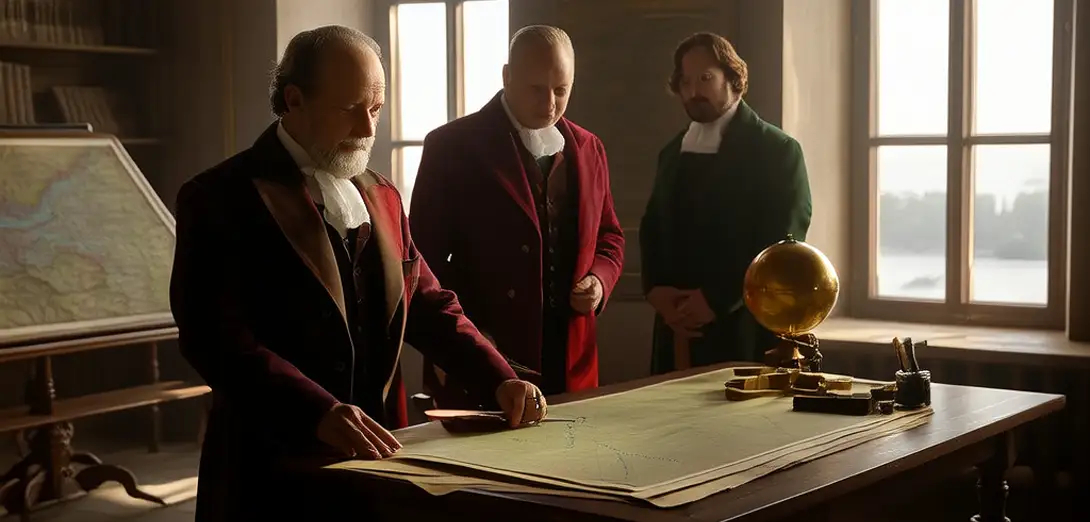
When Maps Became Instruments of Statecraft
当地图成为国家治理工具
-
In sixteenth-century Portugal, cartography ceased being a navigational aid and evolved into a classified instrument of royal policy and colonial negotiation.十六世纪的葡萄牙,制图学不再仅是航海辅助工具,而演变为王室政策与殖民谈判的秘密工具。
-
The Padrão Real—the master map kept under lock in Lisbon—was updated monthly with intelligence from returning captains, yet never printed or shared beyond the Casa da Índia.《皇家标准地图》——存于里斯本、严加保管的母图——每月根据返航船长的情报更新,却从未印刷,也绝不向印度事务司以外的机构透露。
-
Its coastlines were deliberately exaggerated near contested zones like the Moluccas, signaling Portuguese claims to rival envoys without issuing formal declarations.其海岸线在摩鹿加群岛等争议地区被刻意夸大,以此向竞争对手使节宣示葡萄牙主权,无需正式声明。
-
Dutch East India Company officials later reverse-engineered its logic, using captured Portuguese pilots’ logs to build rival atlases with embedded legal arguments.荷兰东印度公司官员后来逆向推演出其逻辑,利用俘获的葡萄牙领航员日志,编制出带有法律论据的竞对地图集。
-
Map projections weren’t neutral choices: Mercator’s 1569 grid privileged transoceanic trade routes while distorting polar sovereignty—a bias later cited in Arctic maritime disputes.地图投影绝非中立选择:墨卡托1569年网格突出跨洋贸易航线,却扭曲极地主权——这一偏见日后更成为北极海事争端的依据。
-
Survey teams dispatched to Brazil didn’t just measure terrain; they recorded indigenous land-use patterns to assess tax potential and resettlement feasibility.派往巴西的测绘队不仅测量地形,还记录原住民土地利用模式,以评估征税潜力与重新安置可行性。
-
Even blank spaces on official maps served diplomatic functions—leaving Amazonia unnamed allowed flexible interpretation during boundary talks with Spain.即便官方地图上的空白区域也具外交功能:亚马逊地区留白,便于西葡边界谈判时灵活解释。
-
By the 1640s, French ministers required all overseas governors to submit annotated maps quarterly, transforming geography into real-time administrative data.至1640年代,法国大臣要求所有海外总督每季度提交带注释地图,使地理信息转化为实时行政数据。
-
These documents shaped infrastructure investment: roads followed mapped river systems, not local trails, accelerating resource extraction over communal access.这些文件主导基础设施投资:道路依河流水系绘制,而非本地小径,加速资源攫取,压制社区通行权。
-
Cartographic literacy became mandatory for diplomats in Versailles, where misreading a scale bar could cost territories at treaty tables.制图素养成为凡尔赛外交官的必修课——误读比例尺,便可能在条约桌上失地。
-
Modern GIS platforms echo this legacy: spatial data remains inseparable from jurisdictional authority and budgetary allocation.当代GIS平台延续这一传统:空间数据始终与管辖权及预算分配密不可分。
-
What looks like objective representation is always a curated claim—about power, priority, and permissible vision.看似客观的呈现,实则永远是一种精心筛选的主张——关乎权力、优先事项与被允许的视野。