正在确认阅读权限…
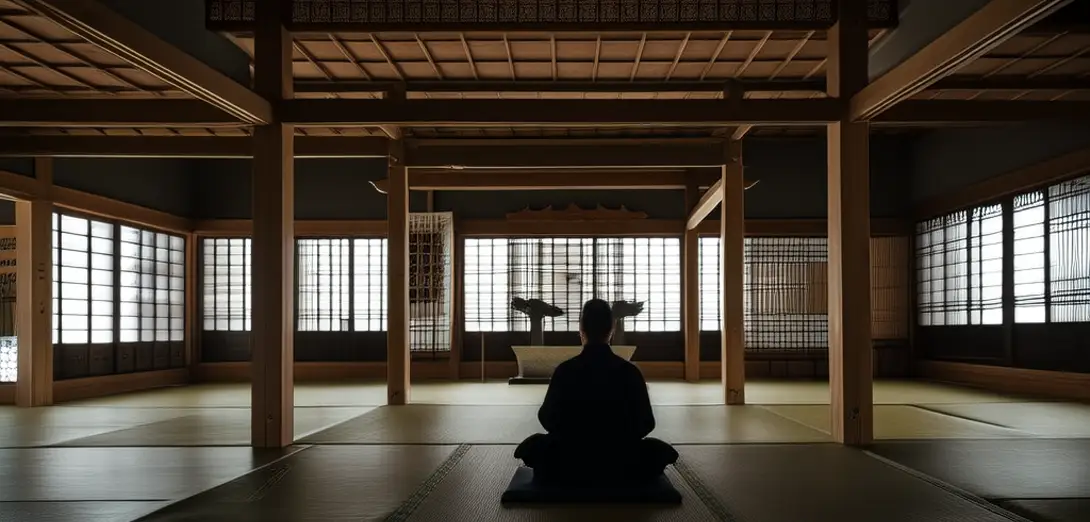
Funerary Silence Protocols and Acoustic Jurisdiction in Kyoto’s Buddhist Subtemples
京都佛寺别院中的丧葬静默规约与声学管辖权
-
Within Kyoto’s subtemples like Shōkoku-ji’s Daitoku-in annex, funerary silence is enforced not by signage but through calibrated acoustic architecture.在京都妙心寺等子院,如相国寺的大德院附属建筑中,丧葬静默并非靠标识维持,而是通过精密设计的声学建筑实现。
-
Walls incorporate hollow bamboo segments tuned to absorb frequencies above 85 Hz—effectively muting urgent speech while preserving ritual chanting resonance.墙体嵌入中空竹节,经调校可吸收85赫兹以上的频率——有效抑制急促言语,同时保留仪式诵经的共鸣。
-
Mourners entering must first pass through a gravel courtyard whose crunching pace signals emotional readiness to observers stationed silently behind lattice screens.吊唁者须先穿过碎石庭院,脚下沙沙声向格栅屏风后静立的观察者传递其情绪准备状态。
-
No clocks are visible; time is measured by incense burn rates aligned with specific sutra recitations for the deceased’s transitional consciousness.寺内不见钟表;时间依香火燃烧速率而定,与为逝者过渡意识所诵特定经文严格同步。
-
Neighboring temples coordinate bell-ringing schedules so no two funerals overlap acoustically within a 500-meter radius.邻近寺院协调撞钟时间,确保五百米范围内无两场葬礼在声学上重叠。
-
Local residents file formal objections if funeral processions deviate from designated muffled-footwear routes near residential zones.若葬礼队伍偏离指定的消音鞋履路线、靠近住宅区,当地居民可正式提出异议。
-
These protocols emerged not from doctrine but from Edo-period litigation over ‘sound trespass’ in densely packed machiya districts.这些规范并非源于教义,而是江户时期密集町屋街区关于‘声音侵扰’诉讼的产物。
-
Modern restorers now use laser vibrometry to verify original acoustic absorption coefficients before replacing plaster layers.现代修复者如今使用激光测振仪,在替换灰泥层前验证原始吸声系数。
-
Silence here functions as jurisdictional boundary—not absence, but actively governed sonic space.此处的寂静实为管辖边界——并非空无,而是主动管控的声学空间。
-
Even smartphone notifications are muted automatically upon entering temple grounds via geofenced Bluetooth beacons.访客一踏入寺院范围,蓝牙地理围栏即自动关闭智能手机通知。
-
Acoustic compliance is assessed quarterly by a lay-monastic committee using decibel logs and resident interviews.每季度由俗家与僧侣联合委员会依据分贝记录及居民访谈评估声学合规性。
-
This system treats silence as infrastructural, not spiritual—an enduring negotiation of shared sensory sovereignty.该体系将寂静视为基础设施,而非精神追求——一种持续协商的共享感官主权。