正在确认阅读权限…
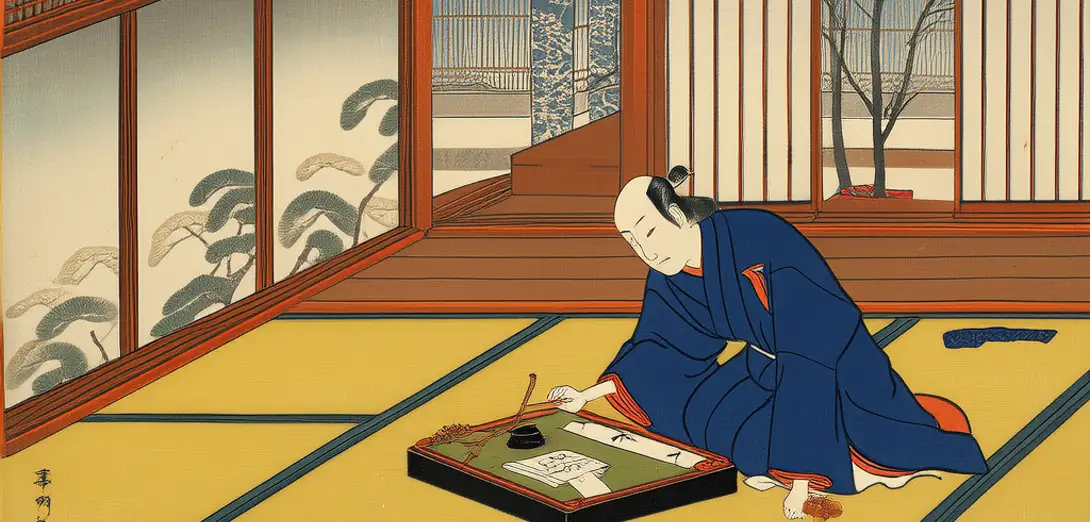
Ritual Inkstone Calibration and Diplomatic Literacy in Kyoto’s Edo-period Shoin
江户时期京都书院中的仪式砚台校准与外交读写素养
-
In Kyoto’s Nijō Castle shoin, inkstones were not merely writing tools but calibrated diplomatic instruments requiring seasonal recalibration before receiving foreign envoys.在京都二条城书院中,砚台不仅是书写工具,更是需在接待外国使节前依季节校准的外交仪器。
-
Each stone’s porosity was tested monthly using springwater from Fushimi—its mineral content varying predictably with upstream rice-paddy flooding cycles.每月用伏见泉水测试每方砚台的孔隙率——其矿物质含量随上游稻田汛期周期性变化而可预测。
-
Ambassadors from Satsuma and Tsushima domains submitted ink samples prepared on their own stones; mismatched viscosity triggered protocol reviews.萨摩与对马藩的使节须提交以自备砚台研磨的墨样;黏度不符即触发礼仪复审。
-
The Tokugawa shogunate mandated that all brushstrokes in treaty drafts maintain identical ink saturation—verified by holding documents to morning light through silk gauze.德川幕府规定条约草稿所有笔画墨色饱和度必须一致——透过丝绢纱布迎晨光检验。
-
Diplomatic scribes trained for twelve years, mastering not calligraphy alone but inkstone response to Kyoto’s microclimatic humidity shifts.外交书吏需苦训十二年,不仅习书法,更须掌握砚台对京都微气候湿度变化的响应。
-
Modern conservators discovered hidden calibration marks beneath lacquer layers—etched with iron filings from Edo-era swordsmiths’ workshops.现代修复师在漆层下发现隐秘校准刻痕——由江户时代刀匠作坊的铁屑蚀刻而成。
-
Today’s cultural attachés receive briefings on these standards before signing agreements at the same desks.今日文化参赞签署协议前,须在同张书桌接受这些标准的简报。
-
Inkstone temperature was monitored using mercury thermometers sealed in lacquered boxes—technology imported from Dutch traders but repurposed for diplomatic semiotics.砚台温度以漆盒密封的水银温度计监测——技术源自荷兰商人,却转用于外交符号学。
-
Even paper thickness was regulated by seasonal mulberry harvests, creating a tactile grammar understood across East Asian courts.纸张厚度亦依季节性桑树收获调控,形成东亚各国宫廷皆能领会的触觉语法。
-
These practices transformed writing implements into juridical sensors attuned to environmental and political volatility.这些实践将书写工具转化为感知环境与政治波动的司法传感器。
-
Restoration projects now employ traditional inkstone graders to authenticate treaty facsimiles for museum exhibitions.如今修复项目聘用传统砚台分级师,为博物馆展览认证条约复制品真伪。
-
This embodies ‘batch 0005-024’: literacy as calibrated, contextual, and materially embedded practice.这体现了‘批次0005-024’:读写能力是一种经校准、具情境性且深植于物质的实践。