正在确认阅读权限…
The Material Culture of Treaty Ratification
条约批准的物质文化
-
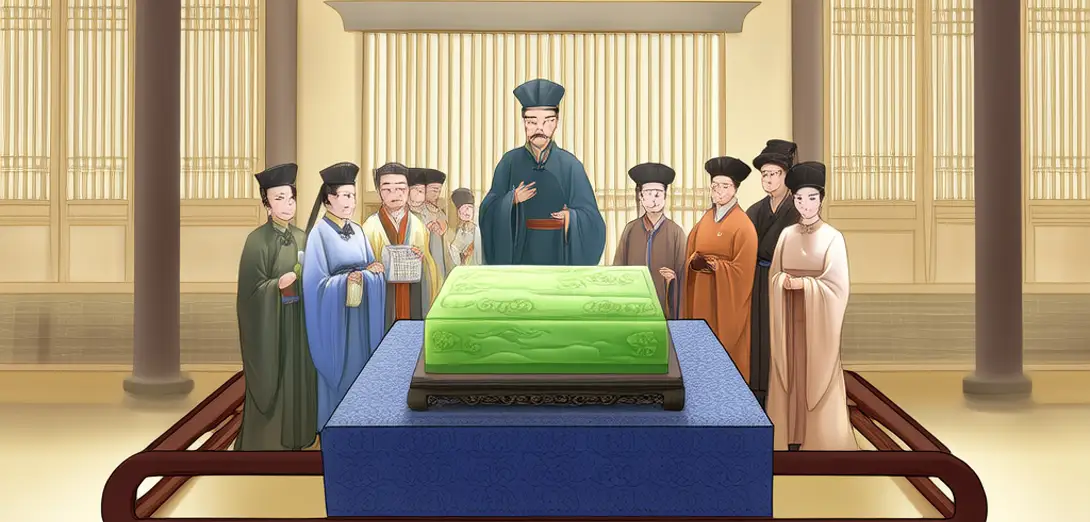
The 1842 Treaty of Nanking wasn’t ratified with signatures alone—the Qing delegation presented a jade seal carved from imperial mountain stone, signifying irreversible commitment.1842年《南京条约》的批准不仅依靠签字——清廷使团呈献了一枚用皇家山石雕琢的玉玺,象征不可撤销的承诺。
-
British ratification involved wax seals pressed with the Great Seal of the Realm, melted and reapplied annually to affirm continuity—materializing sovereignty as cyclical renewal.英国的批准程序采用国玺蜡封,每年熔化重盖以确认连续性——将主权具象为周期性更新。
-
Treaty chests traveled across continents: Ottoman copies were housed in walnut caskets lined with crimson velvet, while U.S. counterparts used lead-lined oak boxes to prevent humidity damage.条约箱跨越各大洲:奥斯曼帝国副本存于衬有猩红丝绒的胡桃木匣中,而美国副本则装入防潮铅衬橡木箱。
-
The 1919 League of Nations Covenant required ratification instruments to be deposited in Geneva, but specified exact parchment weight and ink pH—technical standards masking political gatekeeping.1919年《国际联盟盟约》要求批准文书交存日内瓦,却明确规定羊皮纸克重与墨水pH值——技术标准掩盖着政治把关。
-
Indigenous nations in Canada exchanged wampum belts alongside written texts, embedding treaty terms in shell bead patterns readable only by trained keepers.加拿大原住民族在签署书面条约的同时交换贝壳珠带,将条款嵌入仅由受训保管者可读的贝珠图案中。
-
Post-WWII occupation treaties mandated bilingual originals—yet German copies used Gothic typeface while Allied versions used Roman, subtly asserting typographic hierarchy.二战后占领条约规定须以双语制作正本——德文版采用哥特体,盟军版则用罗马体,悄然确立排版等级。
-
The 1994 WTO Agreement required electronic deposit of ratification documents, but accepted only PDF/A format—prioritizing archival stability over accessibility.1994年《世贸组织协定》要求电子提交批准文件,但仅接受PDF/A格式——优先保障长期存档稳定性,而非即时可访问性。
-
Ratification objects functioned as mnemonic devices: each knot in a Peruvian quipu treaty represented a clause’s enforcement timeline, not just its existence.批准实物充当记忆载体:秘鲁结绳条约中每个绳结不仅代表条款存在,更标示其执行时限。
-
Today’s blockchain-based treaty registries replicate this logic—immutability as legitimacy, though now verified by algorithms instead of artisans.当今基于区块链的条约登记系统延续这一逻辑——以不可篡改性确立合法性,只是验证者由匠人变为算法。
-
The physical artifact doesn’t just authenticate; it distributes authority across materials, makers, and custodians.实物凭证不仅认证效力,更将权威分散于材质、制作者与保管者之间。
-
From jade to JPEG, ratification objects answer the same question: how do we make promises materially irreversible?从玉玺到JPEG,批准实物始终回应同一问题:如何让承诺在物质层面不可逆转?
-
Sovereignty isn’t declared—it’s instantiated in substance, texture, and storage conditions.主权并非宣告而成——它在材质、肌理与保存条件中得以具身实现。