正在确认阅读权限…
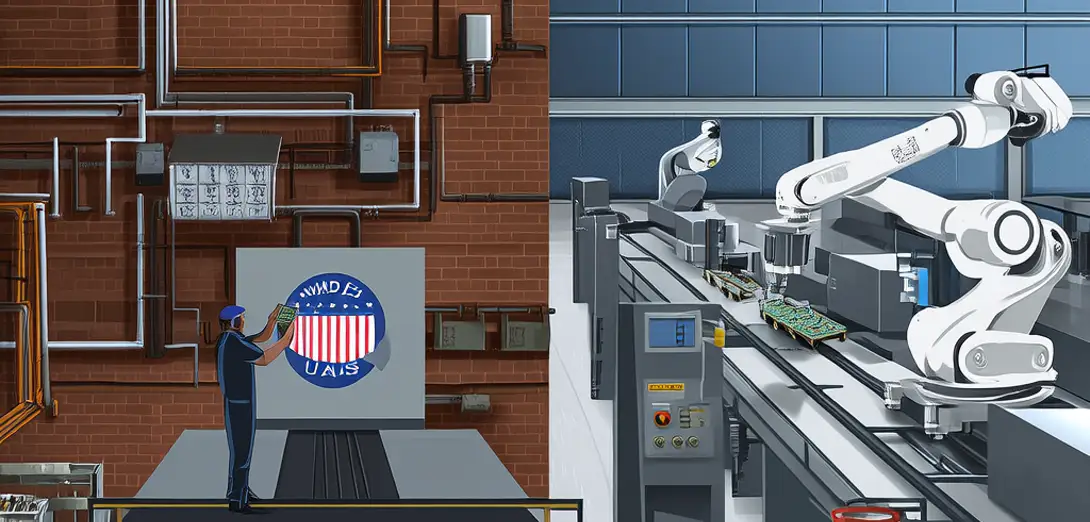
What 'Made in USA' Really Means for Price and Quality
‘美国制造’标签背后的真实价格与品质含义
-
‘Made in USA’ doesn’t guarantee superior quality—some domestic factories use imported components or older machinery, while overseas partners invest heavily in automation and precision engineering.‘美国制造’并不保证更高品质——一些本土工厂使用进口零部件或老旧设备,而海外合作伙伴则大力投资自动化和精密工程。
-
Labor costs drive much of the premium: U.S.-based assembly may cost 3–5× more per hour than contract manufacturing in Vietnam or Mexico—even with identical materials and specs.人工成本推高了大部分溢价:在美国本土组装的时薪可能是越南或墨西哥代工的3至5倍,即便材料和规格完全相同。
-
Regulatory compliance adds layers: OSHA safety standards, EPA emissions controls, and state-level wage laws increase overhead—costs passed along in final pricing.合规要求层层加码:职业安全与健康管理局(OSHA)标准、环保署(EPA)排放管控及各州工资法规抬高运营成本,并最终转嫁到终端售价中。
-
Small-batch producers often highlight ‘USA-made’ to signal craftsmanship, but scalability challenges mean limited sizes, longer lead times, and less consistency across units.小批量生产商常以‘美国制造’标榜工艺水准,但产能限制导致尺码选择少、交货周期长、产品一致性差。
-
Consumers associate domestic production with ethical labor practices—but without third-party audits, that claim remains unverified and potentially misleading.消费者将本土生产与道德用工挂钩,但若无第三方审计,此类主张既未经验证,也可能具有误导性。
-
Tariff policies complicate the picture: when U.S. duties hit foreign competitors, domestic brands gain pricing power—even if their own costs haven’t decreased.关税政策使局面更复杂:当美国对外国竞争者加征关税时,本土品牌获得定价权,哪怕自身成本并未下降。
-
Reshoring efforts receive federal grants, yet many ‘American-made’ labels apply only to final assembly—while critical subcomponents arrive via trans-Pacific shipping.回流生产获联邦资助,但许多‘美国制造’标签仅指最终组装环节,关键零部件仍依赖跨太平洋海运。
-
Price elasticity matters: buyers willing to pay 40% more for domestic goods often do so for identity reasons—not objective quality differences.价格弹性至关重要:愿为本土商品多付40%的买家,往往出于身份认同,而非客观质量差异。
-
Retailers leverage the label strategically: placing ‘USA-made’ items beside imports creates contrast effects, inflating perceived value through juxtaposition.零售商策略性利用该标签:将‘美国制造’商品与进口品并列陈列,借对比效应提升感知价值。
-
Transparency would include origin of raw materials, labor conditions, and environmental footprint—not just final zip code.真正的透明度应涵盖原材料来源、劳工条件及环境足迹,而不止于最终产地邮编。
-
‘Made in USA’ is a narrative device as much as a geographic fact—shaping perception, loyalty, and willingness to pay.‘美国制造’既是地理事实,也是叙事工具——塑造认知、忠诚度与支付意愿。
-
Critical consumption means asking not just ‘where?’, but ‘how?’, ‘by whom?’, and ‘at what real cost?’理性消费不仅追问‘产地在哪?’,更应追问‘如何生产?由谁生产?真实代价几何?’