正在确认阅读权限…
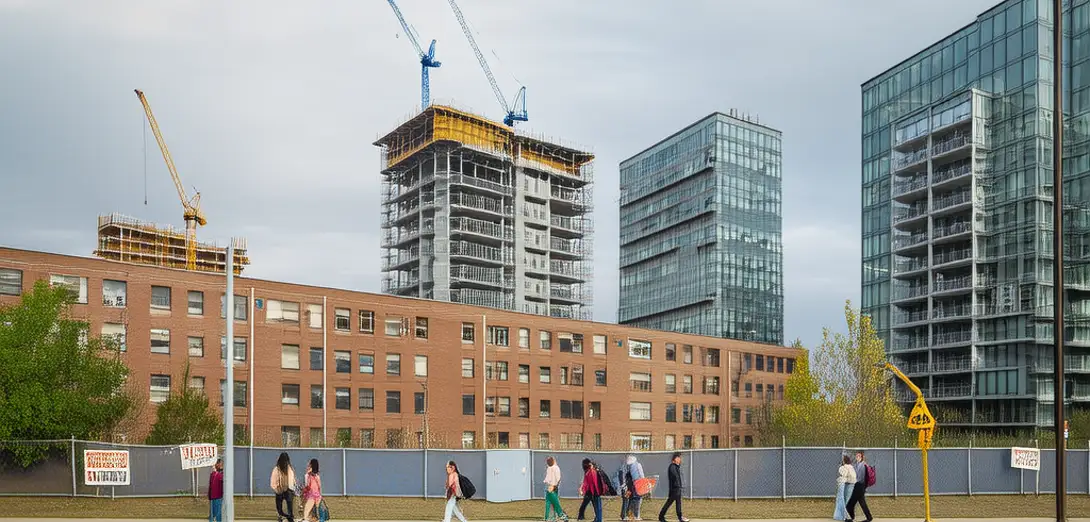
Why Rent Prices Rise Even When Wages Stay Flat
为何租金上涨而工资停滞
-
Rents climb not because landlords greedily raise prices, but because housing supply fails to match demographic shifts, remote-work migration, and zoning constraints.房租上涨并非因为房东贪婪涨价,而是因为住房供应跟不上人口结构变化、远程办公带来的迁移潮以及分区规划限制。
-
When young professionals move en masse to a city center while construction lags due to permitting delays or material shortages, competition for limited units pushes bids upward.当大批年轻专业人士涌入市中心,而因审批延误或建材短缺导致建设滞后时,有限房源引发的竞争便推高了租金。
-
Landlords don’t set rents in isolation—they respond to mortgage rates, property taxes, insurance premiums, and maintenance costs all rising simultaneously.房东并非孤立地设定租金——他们需应对同步上涨的房贷利率、房产税、保险费及维修成本。
-
A household earning $75,000 may afford $1,800/month rent in one metro but only $1,200 in another—where median income hasn’t risen, yet housing stock hasn’t expanded.一个年收入7.5万美元的家庭,在某都市圈或可负担每月1800美元租金,但在另一处——当地中位收入未增长、住房存量却未扩大——则仅能负担1200美元。
-
Local governments sometimes freeze rents to protect tenants, but such policies can discourage new development and reduce long-term affordability overall.地方政府有时冻结租金以保护租户,但此类政策可能抑制新建项目,从长远看反而削弱整体可负担性。
-
Short-term rental platforms add pressure too: when 5% of housing stock shifts from year-round homes to tourist apartments, permanent residents face tighter markets.短期租赁平台也加剧压力:当5%的住房存量从常年居住转为旅游公寓,常住居民便面临更紧张的租房市场。
-
Wage growth depends on productivity and employer margins; rent growth depends on land scarcity and capital flows—two separate engines moving at different speeds.工资增长取决于生产率与企业利润空间,而租金增长则取决于土地稀缺性与资本流向——两者是运行速度不同的两套机制。
-
Even with stable paychecks, people relocate, downsize, or double up—not out of preference, but because housing costs reconfigure their entire financial calculus.即便收入稳定,人们仍会搬迁、换小房或合租,并非出于偏好,而是因住房成本彻底改变了其财务决策。
-
This mismatch reveals a deeper truth: earnings measure labor value; rent measures location value—and those values aren’t always aligned.这一错配揭示了一个深层事实:收入衡量劳动价值,租金衡量区位价值——二者未必一致。
-
Public investment in transit or affordable housing doesn’t just ease individual stress; it reshapes how value distributes across neighborhoods.公共交通或保障性住房的公共投资,不仅缓解个体压力,更重塑价值在各社区间的分配方式。
-
Rent isn’t just shelter cost—it’s a barometer of spatial inequality and planning choices.租金不仅是居住成本,更是空间不平等与城市规划选择的晴雨表。
-
Recognizing that helps shift conversation from blame to design: what kind of cities do we want to live in—and who gets to shape them?认识到这一点,有助于将讨论焦点从归咎转向设计:我们想要怎样的城市?又由谁来塑造它们?