正在确认阅读权限…
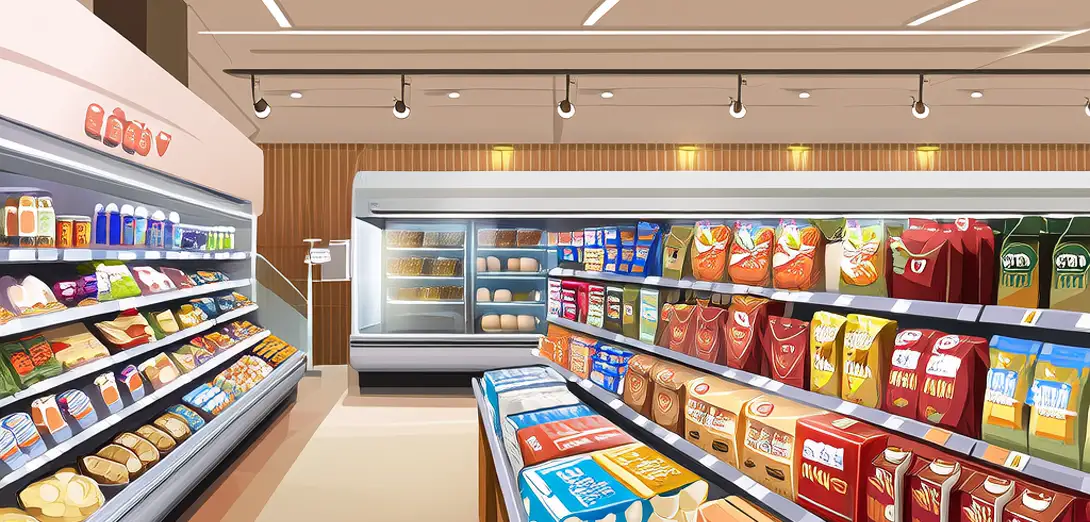
Why Grocery Store Layouts Are Designed to Make You Spend More
为何超市布局被设计成让你花更多钱
-
Stores place milk and eggs at the back not for convenience—but to ensure you pass aisles filled with higher-margin items like snacks, beverages, and ready-to-eat meals.超市把牛奶和鸡蛋放在最里面,并非为了方便顾客,而是为了让顾客经过摆满高利润商品(如零食、饮料和即食餐)的通道。
-
Endcaps—the displays at aisle ends—feature promoted products with premium shelf space because manufacturers pay slotting fees, not because those items are healthier or cheaper.货架两端的端架陈列促销商品,并非因为这些商品更健康或更便宜,而是因为厂商支付了上架费,买下了黄金位置。
-
Impulse buys happen most near checkout lanes, where candy, magazines, and phone chargers occupy last-second decision space—often priced 30–50% above shelf averages.冲动消费多发生在收银台附近——糖果、杂志和手机充电器占据最后决策空间,价格通常比货架均价高出30%至50%。
-
Lighting, music tempo, and even scent diffusion are calibrated to slow movement and extend dwell time, increasing average basket size by measurable percentages.灯光、音乐节奏甚至香氛扩散都经过精心设计,旨在放慢顾客脚步、延长停留时间,从而显著提升平均购物篮金额。
-
Private-label brands sit beside national names not as alternatives, but as anchors—making familiar products seem pricier by comparison, nudging toward perceived value.自有品牌与全国性品牌并排摆放,目的不是提供替代选择,而是充当参照锚点——通过对比让知名品牌显得更贵,引导顾客感知‘性价比’。
-
Seasonal sections rotate rapidly not just to reflect holidays, but to disrupt shopping routines—triggering novelty-seeking behavior and reducing price sensitivity.季节性专区快速轮换,不仅为应景节日,更意在打破购物惯性,激发猎奇心理,降低价格敏感度。
-
Digital loyalty apps track your path and purchase history, then push coupons for items you nearly bought last time—blurring line between suggestion and persuasion.数字会员App追踪你的动线与购买历史,再向你推送上次差点下单的商品优惠券——建议与诱导的边界由此模糊。
-
This isn’t manipulation alone—it’s behavioral economics applied at scale, using environment to shape choice without restricting freedom.这不只是操纵,而是大规模应用行为经济学:借助环境设计影响选择,却不剥夺自由。
-
Supermarkets know shoppers make ~70% of purchases unplanned; layout architects design for that reality, not idealized rationality.超市深知顾客约70%的购买是临时起意;卖场布局正是为此现实而设计,而非基于理想化的理性假设。
-
Awareness won’t stop all impulse buys—but it lets you pause, reset your list, and reclaim intentionality in small daily acts.觉察未必能杜绝所有冲动消费,却能让你暂停片刻、重看清单,在日常小事中夺回主动权。
-
Consumer sovereignty exists—but only when you see the architecture shaping your options.消费者主权确实存在——但前提是你看清了塑造选项的底层架构。
-
Shopping isn’t neutral terrain; it’s a choreographed interface between need, habit, and incentive.购物并非中立场域,而是需求、习惯与激励之间精心编排的交互界面。