正在确认阅读权限…
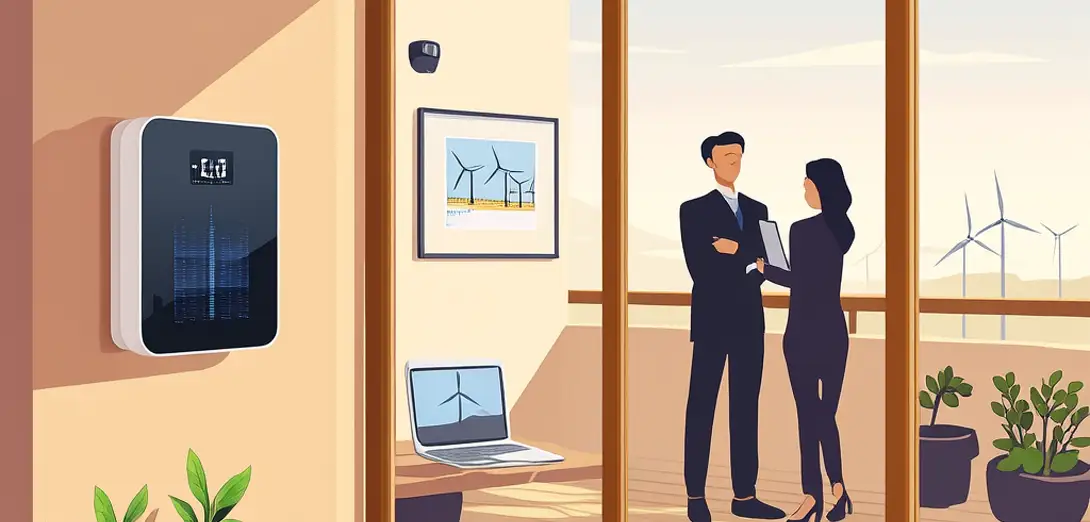
How Climate Policy Changes Your Monthly Utility Bill
气候政策如何改变你的每月水电费
-
Renewable energy mandates don’t just add solar panels—they restructure utility rate designs, shifting fixed costs from usage-based charges to monthly service fees.可再生能源强制配额不仅增加太阳能板,还重构公用事业费率设计,将固定成本从按用量收费转向月度服务费。
-
When regulators require grid upgrades for wind integration, those investments appear on bills as ‘infrastructure modernization’ surcharges—visible but rarely explained.当监管机构要求为风电并网升级电网时,这些投资会以‘基础设施现代化’附加费形式出现在账单上——虽可见却少有解释。
-
Time-of-use pricing, promoted to balance solar generation peaks, rewards users who run dishwashers at noon but penalizes night-shift workers with higher evening rates.分时电价旨在平衡光伏发电高峰,鼓励用户中午运行洗碗机,却因晚间费率更高而惩罚夜班工人。
-
Energy efficiency rebates sound helpful—yet they often require upfront payments and documentation barriers that exclude renters or low-income households.能效补贴看似有益,却常要求预付资金和繁琐文件,将租户或低收入家庭排除在外。
-
Carbon pricing mechanisms, like cap-and-trade systems, raise fossil fuel costs indirectly—so natural gas bills rise even if your state hasn’t passed explicit climate laws.碳定价机制(如总量控制与交易体系)间接推高化石燃料成本,即便本州未出台明确气候法规,天然气账单仍会上涨。
-
Utilities now offer ‘green power’ subscriptions—but those fund new renewables, not retrofits to aging coal plants still powering your neighborhood.公用事业公司现提供‘绿色电力’订阅服务,但资金用于新建可再生能源项目,而非改造仍在为你所在社区供电的老化煤电厂。
-
Ratepayers rarely vote on these structures, yet their bills reflect decades of policy choices—from deregulation to decarbonization targets.用户极少对这些费率结构投票,但账单却反映数十年政策选择——从电力市场化到脱碳目标。
-
Weatherization assistance exists, but eligibility windows are narrow, and contractors face backlog—so bill relief lags behind cost increases.房屋节能改造援助确实存在,但资格窗口期短,承包商积压严重,导致账单减免滞后于成本上涨。
-
Climate policy isn’t just about emissions—it’s about who bears transition costs, and whether affordability stays central to design.气候政策不仅关乎减排,更关乎转型成本由谁承担,以及可负担性是否始终是设计核心。
-
Your thermostat setting responds to comfort; your bill reflects layered decisions made in legislative chambers and utility commissions.你的恒温器设定响应舒适需求;而账单则体现立法机构与公用事业委员会层层叠加的决策。
-
Energy justice means asking not just ‘how clean?’ but ‘who pays—and who decides?’能源正义不仅追问‘有多清洁?’,更追问‘谁来买单?谁来决定?’
-
Understanding this turns passive billing into informed citizenship—and potential advocacy.理解这一点,便能将被动缴费转化为知情公民行动,乃至推动倡导。