正在确认阅读权限…
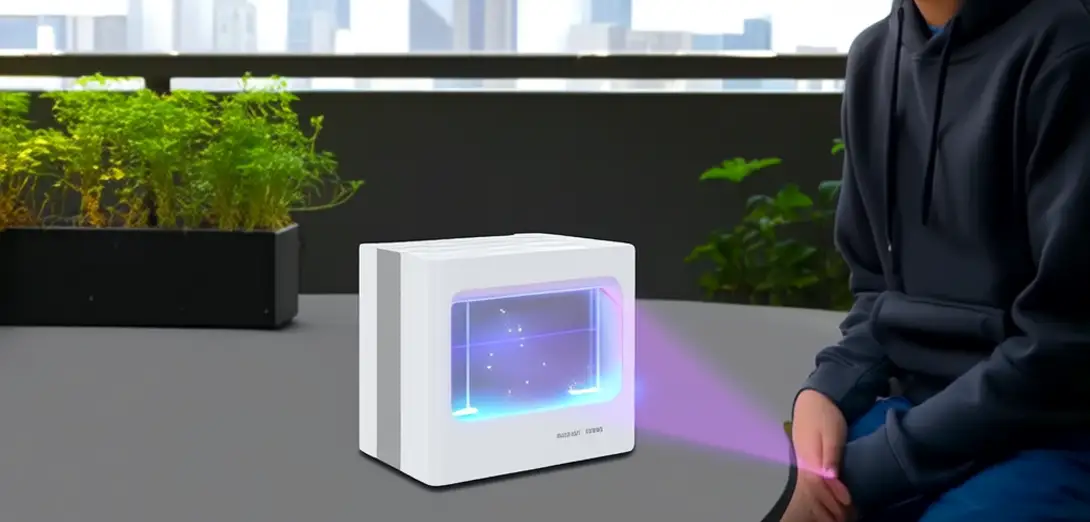
How Air Quality Monitors Detect PM2.5 Without Lab Equipment
空气质量监测仪如何无需实验室设备检测PM2.5颗粒
-
Portable air quality monitors detect PM2.5 particles using laser scattering principles instead of lab-grade filters.便携式空气质量监测仪利用激光散射原理检测PM2.5颗粒,而非实验室级滤膜。
-
A tiny laser beam shines through an air sample chamber where particles pass one by one.一束微小激光穿过空气采样腔,颗粒逐个通过。
-
Each particle scatters light at angles that sensors measure to estimate its size and concentration.每个颗粒以特定角度散射光线,传感器据此估算其尺寸与浓度。
-
Algorithms compare scattering patterns against known standards for PM2.5, PM10, and pollen.算法将散射图谱与已知的PM2.5、PM10和花粉标准进行比对。
-
Temperature and humidity sensors correct readings because moisture affects particle behavior.温湿度传感器校正读数,因为水分会影响颗粒行为。
-
The device updates measurements every six seconds and averages them over ten minutes for stability.设备每6秒更新一次测量值,并取10分钟平均值以提升稳定性。
-
Battery-powered units use low-power processors to run these computations continuously.电池供电机型采用低功耗处理器,持续运行上述计算。
-
Manufacturers calibrate each unit against reference instruments before shipping to ensure accuracy.厂商在出货前使用基准仪器对每台设备进行校准,确保精度。
-
Consumer models trade some precision for affordability but still meet WHO guideline thresholds.消费级机型在精度上有所妥协以控制成本,但仍符合世卫组织指南限值。
-
This real-time insight helps people avoid exposure during wildfire smoke or traffic pollution peaks.这种实时数据帮助人们避开野火烟雾或交通污染高峰时段。