正在确认阅读权限…
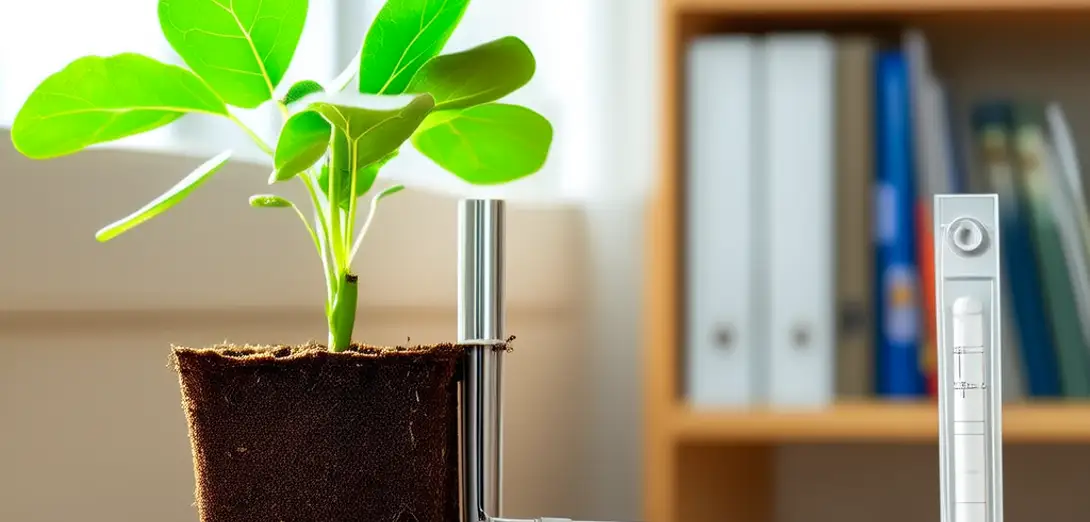
Why Smart Plant Sensors Measure Soil Ion Concentration Instead of Just Moisture
智能植物传感器为何测量土壤离子浓度而非仅测湿度
-
Unlike basic moisture meters, smart plant sensors use three-electrode conductivity probes to measure dissolved ion levels in soil.与基础湿度计不同,智能植物传感器采用三电极电导率探头来测量土壤中溶解离子的含量。
-
High ion concentration often signals fertilizer buildup or salt accumulation that harms root absorption.离子浓度过高通常表明肥料堆积或盐分积累,会损害根系吸收能力。
-
The device compares real-time EC (electrical conductivity) values against species-specific nutrient tolerance databases.设备将实时电导率(EC)值与针对不同植物种类的养分耐受数据库进行比对。
-
It adjusts watering advice not just by dryness but by whether nutrients remain bioavailable.它不仅依据土壤干湿程度,还根据养分是否仍具生物有效性来调整浇水建议。
-
Temperature compensation algorithms ensure accuracy across seasonal ground temperature shifts.温度补偿算法确保在季节性地温变化下测量依然准确。
-
Data syncs to apps showing weekly ion trend charts alongside pH and light exposure metrics.数据同步至手机应用,以周为单位显示离子趋势图,并叠加pH值和光照强度指标。
-
Gardeners receive alerts when ion levels exceed safe thresholds for sensitive plants like orchids or ferns.当兰花、蕨类等敏感植物的离子浓度超过安全阈值时,园艺爱好者会收到提醒。
-
Calibration involves immersing probes in standard KCl solution before first use and annually thereafter.校准需在首次使用前及此后每年,将探头浸入标准氯化钾(KCl)溶液中完成。
-
Solar-charged models operate year-round in outdoor pots without battery swaps or cables.太阳能充电型号可在户外花盆中全年运行,无需更换电池或连接线缆。
-
Research confirms ion-aware irrigation reduces fertilizer runoff by up to 37% in controlled trials.研究表明,在受控试验中,基于离子监测的灌溉可减少最高达37%的肥料流失。