正在确认阅读权限…
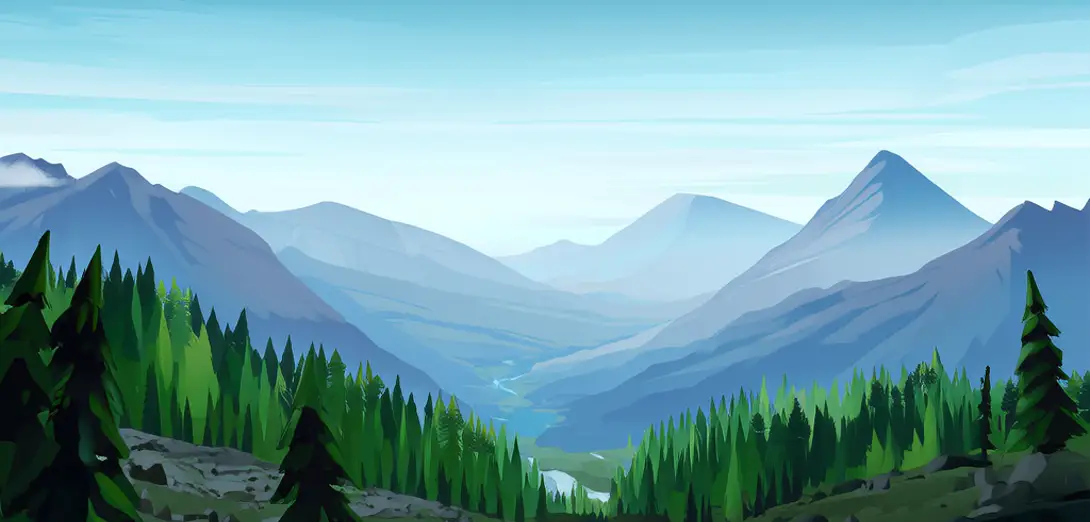
Why Do Mountains Look Bluer the Farther Away They Are?
为什么远处的山看起来更蓝?
-
Distant mountains appear bluish due to Rayleigh scattering—the same effect that makes skies blue.远处的山峦因瑞利散射而呈现蓝色——这与天空呈蓝色的原理相同。
-
Sunlight contains all colors, but shorter blue wavelengths scatter more easily off air molecules and tiny particles.阳光包含所有颜色,但波长较短的蓝光更容易被空气分子和微小颗粒散射。
-
As light travels farther through the atmosphere, more red and yellow light reaches our eyes directly.光线在大气中传播得越远,越多红光和黄光直接进入我们的眼睛。
-
Meanwhile, scattered blue light fills the space between us and the mountain, acting like a translucent veil.与此同时,散射的蓝光充满我们与山峦之间的空间,宛如一层半透明薄纱。
-
This atmospheric haze reduces contrast and softens edges, making peaks look less sharp and more dreamlike.这种大气薄雾降低了对比度、柔化了边缘,使山峰显得不那么锐利,更具梦幻感。
-
On humid or polluted days, the effect intensifies because larger particles scatter even more light.在潮湿或污染严重的日子里,该效应会加剧,因为更大的颗粒会散射更多光线。
-
Photographers call this ‘aerial perspective’ and use it deliberately to create depth in landscape images.摄影师称之为‘空气透视’,并刻意利用它在风景照中营造景深。
-
Mountains closer to you reflect their true rock-and-vegetation colors, while distant ones blend with sky tone.离你较近的山峦反射出真实的岩石与植被色彩,而远处的山峦则与天空色调融为一体。
-
At sunrise or sunset, warm light can overpower this blue cast, revealing orange or purple mountain silhouettes.日出或日落时,温暖的光线可压倒这种蓝色调,显露出橙色或紫色的山峦剪影。
-
Satellites correct for this scattering effect when mapping Earth’s surface accurately from space.卫星在从太空精确测绘地球表面时,会校正这种散射效应。