正在确认阅读权限…
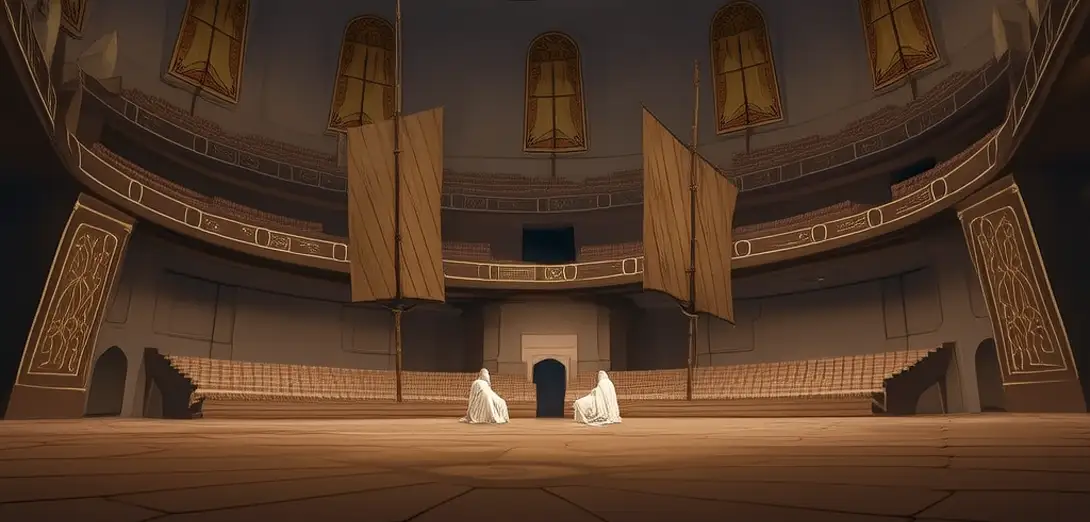
Omani Majlis Protocol: Spatial Syntax as Sovereignty Archive in Muscat’s Tribal Governance
阿曼‘马吉利斯’礼仪:马斯喀特部落治理中空间句法作为主权档案
-
Muscat’s historic majlis spaces encode sovereignty through calibrated floor gradients, seating azimuths, and dhow-wood grain orientation—not decorative tradition but jurisdictional cartography.马斯喀特历史悠久的麦吉利斯空间,通过精确设计的地面坡度、座位朝向及单桅帆船木纹走向来体现主权——这并非装饰传统,而是司法版图。
-
Guests enter not by door but by directional threshold: north-facing entry signals dispute resolution; east-facing implies resource arbitration.宾客并非经门而入,而是跨过方向性门槛:面北入口象征争端调解,面东则暗示资源仲裁。
-
Cushion height differentiates tribal recognition levels, yet recent reforms mandate adjustable platforms to prevent固化 hierarchy.坐垫高度区分部落认可等级,但近年改革要求采用可调平台,以防等级固化。
-
Coffee pouring sequence follows hydrological metaphors—first pour mimics wadi flow, second mirrors falaj irrigation rights, third invokes maritime boundary treaties.咖啡斟倒顺序遵循水文隐喻:首 pour 模拟干谷水流,次 pour 映射法拉吉灌溉权,第三 pour 呼应海上边界条约。
-
Digital majlis platforms replicate spatial syntax: virtual avatars occupy fixed azimuthal coordinates, with mute permissions granted only after correct ‘coffee cup rotation’ gesture.数字麦吉利斯平台复刻空间句法:虚拟化身固定于方位角坐标,仅在完成正确‘咖啡杯旋转’手势后才获静音权限。
-
British colonial records misread majlis as passive reception hall; Omani scholars now publish counter-archives proving its function as living constitutional registry.英国殖民档案将麦吉利斯误读为被动接待厅;阿曼学者现正出版反档案,证实其作为活态宪法登记处的功能。
-
The Sultanate’s 2021 decentralization law required each wilayat to redesign physical majlis using GPS-aligned compass points reflecting pre-colonial tribal water-sharing agreements.苏丹国2021年分权法案要求各州重新设计实体麦吉利斯,以GPS校准罗盘方位,还原殖民前部落水资源共享协议。
-
Foreign envoys undergo spatial literacy training before accreditation—misplaced cushion placement triggers diplomatic review, not etiquette correction.外国使节须通过空间素养培训方可获准 Accreditation——坐垫错置触发外交审查,而非礼节纠正。
-
Youth councils in Salalah reinterpret majlis geometry: circular layouts replace radial ones, but retain azimuthal memory via projected star maps aligned to ancestral navigation routes.萨拉拉青年委员会重构麦吉利斯几何:以环形布局替代放射状结构,但借投影星图沿袭方位记忆,星图对齐祖先航海路线。
-
Acoustic design prioritizes whisper-range intelligibility over volume, enforcing consensus-building through proximity rather than amplification.声学设计优先保障耳语距离内的清晰可辨,借空间邻近强制共识构建,而非依赖扩音。
-
Majlis restoration projects now consult hydrologists and astrolabe historians—not just architects—to recalibrate spatial semantics against climate-shifted celestial patterns.麦吉利斯修复项目如今联合水文学家与星盘史学家——而不仅是建筑师——依据气候变迁所致天体轨迹偏移,重校空间语义。
-
When Oman hosted COP28 regional talks, the negotiation chamber replicated falaj-inspired water channels beneath floorboards, making hydrological justice physically felt underfoot.阿曼主办COP28区域会谈时,谈判厅地板下复刻法拉吉式水道,令水文正义真切可感于足下。