正在确认阅读权限…
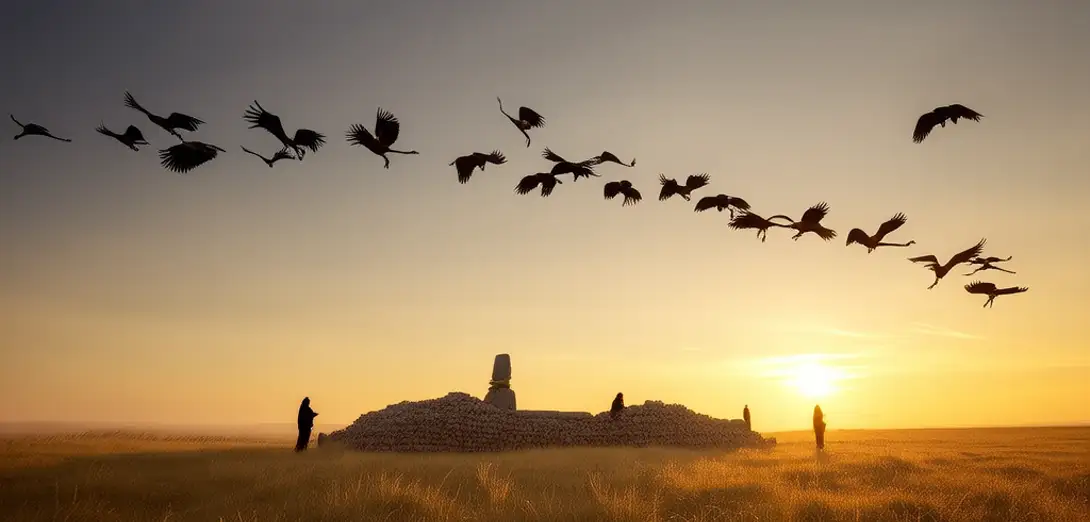
Tibetan Sky Burial as Atmospheric Ethics in Amdo Grasslands
藏族天葬:安多草原的大气伦理实践
-
Sky burial in Amdo operates as a deliberate atmospheric ethics system, redistributing bodily matter through vulture flight paths rather than soil decomposition.安多地区的天葬是一种有意为之的大气伦理体系,通过秃鹫的飞行路径而非土壤分解来重新分配人体物质。
-
Ritual specialists calculate celestial alignments, wind vectors, and carrion bird migration cycles to determine optimal exposure timing and orientation.仪式专家通过计算天体运行、风向矢量和食腐鸟类迁徙周期,确定最佳暴露时机与朝向。
-
The practice rejects both landfill burial and cremation’s carbon footprint, aligning human disposal with regional avian ecology and thermal updrafts.该习俗既拒绝填埋式土葬,也摒弃火葬的碳排放,使人遗体处置与当地鸟类生态及热气流相协调。
-
Western conservation NGOs often misread it as ‘primitive’ despite its precise calibration to plateau-specific nitrogen cycles and scavenger population thresholds.西方环保非政府组织常误将其视为‘原始’,实则其精准契合青藏高原特有的氮循环与食腐动物种群阈值。
-
Family members observe silence during the ritual not out of grief restraint but to avoid disrupting vultures’ acoustic navigation in thin air.家属在仪式中保持沉默,并非出于压抑哀伤,而是避免干扰秃鹫在稀薄空气中的声学导航。
-
Modern infrastructure projects threaten the practice: power lines fragment flight corridors, while solar farms displace traditional roosting cliffs.现代基础设施项目正威胁这一习俗:输电线路割裂飞行廊道,太阳能电站则挤占传统栖息崖壁。
-
Monastic astronomers maintain star charts updated annually to track how glacial retreat alters local thermals affecting vulture thermalling efficiency.寺院天文学家每年更新星图,追踪冰川退缩如何改变局地热气流,进而影响秃鹫盘旋效率。
-
Medical waste protocols now require hospitals in Golok to coordinate with sky burial sites, treating human remains as biogeochemical agents rather than biohazards.如今医疗废弃物规程要求果洛地区医院与天葬场协同作业,将人体遗骸视作生物地球化学媒介,而非生物危害物。
-
The absence of grave markers is intentional—terrain itself becomes the archive, readable only through seasonal animal movement patterns.不设墓碑是刻意为之——地形本身即为档案,唯有透过季节性动物移动轨迹方可解读。
-
Urban Tibetan professionals return annually to participate, treating this as civic maintenance rather than religious obligation.都市藏族专业人士每年返乡参与,视其为公民责任而非宗教义务。
-
Chinese-language policy documents classify it under ‘intangible cultural heritage’, yet omit its embedded meteorological literacy and atmospheric reciprocity logic.中文政策文件将其归类为‘非物质文化遗产’,却忽略其中蕴含的气象素养与大气互惠逻辑。
-
When vulture numbers decline, communities adjust ritual duration and altitude, transforming theological doctrine into adaptive ecological feedback.当秃鹫数量下降时,社区会调整仪式持续时间与海拔高度,使神学教义转化为适应性生态反馈。