正在确认阅读权限…
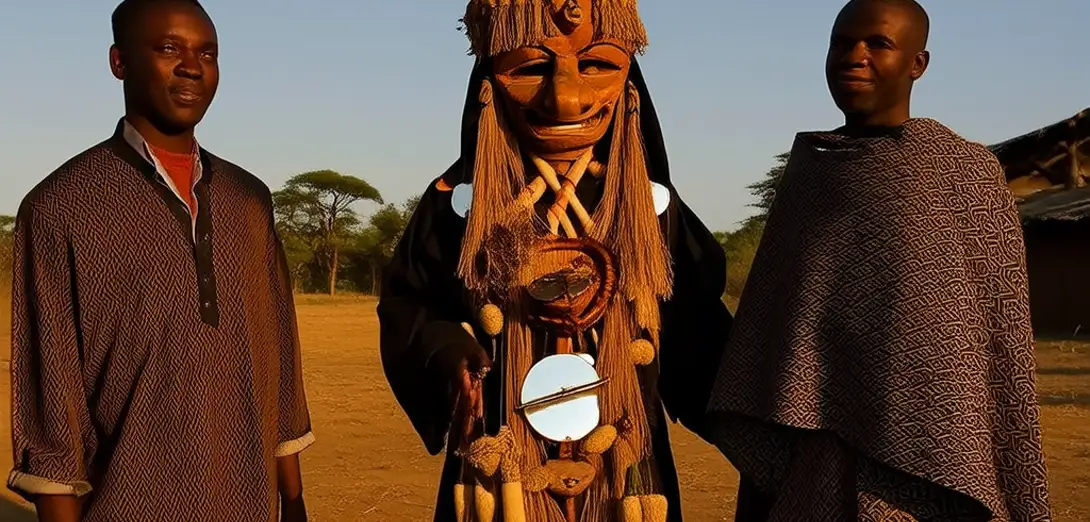
Nigerian Igbo Mmanwu Masquerades as Juridical Embodiment in Nsukka
尼日利亚伊博族玛努面具舞:恩苏卡的司法具身化
-
In Nsukka, mmanwu masquerades operate as juridical embodiments—masked performers assume legally recognized personhood to adjudicate land disputes and inheritance conflicts.在恩苏卡,曼努面具舞者充当司法化身——戴上面具的表演者获得法律承认的人格身份,以裁决土地纠纷和继承冲突。
-
Each mask’s material composition, fiber texture, and kinetic vocabulary encode specific customary laws inaccessible to written translation.每副面具的材质构成、纤维质感及动态语汇,都编码着特定的习惯法,这些法则无法通过文字翻译传达。
-
Judges defer to masked figures whose movements reinterpret colonial-era property boundaries using pre-colonial geomantic principles embedded in dance trajectories.法官尊重戴面具者的裁决,其动作依舞蹈轨迹中蕴含的前殖民时期风水原理,重新诠释殖民时代的产权边界。
-
The masks themselves are treated as corporate entities: they own land, pay taxes, and appear in court documents with registered legal names.面具本身被视为法人实体:拥有土地、缴纳赋税,并以注册的法定名称出现在法庭文件中。
-
Contemporary artists now program motion sensors into ceremonial costumes, generating real-time data visualizations of ancestral jurisprudence during village assemblies.当代艺术家如今将运动传感器嵌入仪式服饰,在村庄集会上实时生成祖先司法实践的数据可视化图像。
-
When digital ID systems were introduced in Enugu State, elders insisted mmanwu registers be granted equal biometric validity to government databases.当恩古州引入数字身份证系统时,长老坚持曼努登记册应与政府数据库享有同等生物识别效力。
-
Anthropologists note that mask wearers enter trance states only after completing judicial training—not spiritual initiation—highlighting law as embodied discipline.人类学家指出,面具佩戴者仅在完成司法训练后才进入恍惚状态,而非经由宗教启蒙,凸显法律是一种具身化的纪律。
-
Corporate lawyers from Lagos increasingly attend masquerade performances to study alternative contract enforcement mechanisms rooted in communal witness rather than litigation.来自拉各斯的公司律师日益出席面具表演,研究植根于社群见证而非诉讼的替代性契约执行机制。
-
Colonial archives misclassified these figures as ‘superstition’, erasing their documented role in arbitrating 19th-century trade treaties between Igbo clans and British firms.殖民档案将这些人物错误归类为‘迷信’,抹去了其曾调解19世纪伊博部族与英国公司贸易条约的历史记录。
-
Youth-led collectives now deploy augmented reality overlays during festivals, translating mask gestures into contemporary human rights frameworks via mobile apps.青年团体如今在节庆期间运用增强现实技术,通过手机应用将面具手势实时转化为当代人权框架。
-
Legal scholars argue that mmanwu challenges Western assumptions about agency, proposing sovereignty as distributed across mask, wearer, audience, and forest site.法学学者认为,曼努挑战了西方关于能动性的假设,提出主权应分散于面具、佩戴者、观众及森林场所之间。
-
When climate-induced flooding disrupted ritual grounds, communities convened masked councils to litigate compensation claims against state hydroelectric projects.当气候引发的洪水破坏仪式场地时,社区召开戴面具的议事会,就州水电项目提起赔偿诉讼。