正在确认阅读权限…
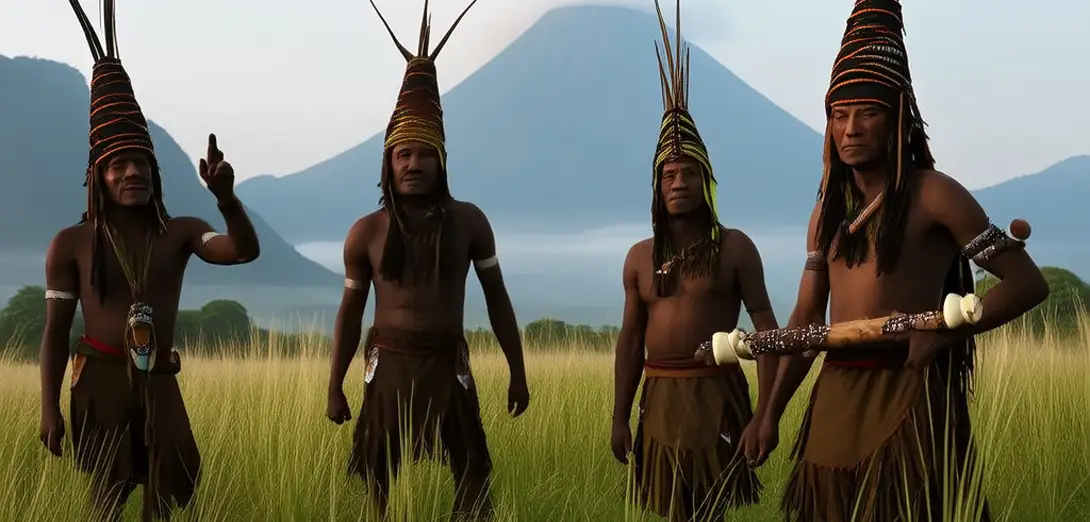
Papua New Guinean Huli Wig Ceremony: Androgenic Aesthetics as Political Syntax in Tari Basin
巴布亚新几内亚胡里人假发仪式:塔里盆地的雄激素美学作为政治语法
-
In Papua New Guinea’s Tari Basin, Huli men cultivate elaborate wigs not as personal adornment but as political syntax encoding clan alliances, land disputes, and volcanic risk assessments.在巴布亚新几内亚塔里盆地,胡里族男子精心制作假发,并非为个人装饰,而是作为一种政治语法,编码氏族联盟、土地争端及火山风险评估。
-
Each wig incorporates hair from specific relatives—maternal uncles for territorial claims, paternal cousins for ritual debt settlement—with follicle density indicating obligation magnitude.每顶假发都嵌入特定亲属的头发——母系叔伯的头发用于宣示领土主张,父系堂表亲的头发用于履行仪式性债务,毛囊密度则表明义务的轻重。
-
The ‘Wig War’ ceremonies feature choreographed head-tossing sequences whose angular velocity correlates with historical conflict resolution outcomes archived in oral epic cycles.‘假发战争’仪式包含编排严密的甩头动作序列,其角速度与口传史诗周期中记载的历史冲突解决结果呈正相关。
-
Hair dye recipes use over forty botanical compounds whose seasonal availability maps directly onto agricultural calendars governing pig exchange rates.染发配方使用逾四十种植物成分,其季节性供应直接对应管控猪只交换比率的农事历法。
-
Anthropologists initially misread wig complexity as decorative excess until discovering pigment ratios encode rainfall probability models validated against NASA satellite data.人类学家起初将假发的复杂性误读为装饰性过剩,直至发现色素配比实为经NASA卫星数据验证的降雨概率模型。
-
Contemporary Huli politicians wear modified wigs incorporating fiber-optic filaments during parliamentary debates, signaling real-time consensus thresholds to clan delegates.当代胡里族政客在议会辩论中佩戴改良假发,内置光纤丝线,实时向氏族代表传递共识阈值信号。
-
Wig-making apprenticeships last twelve years—longer than medical degrees—and conclude with public recitation of all hair donors’ genealogical obligations.假发制作学徒期长达十二年——超过医学学位年限——结业时须当众背诵所有捐发者的世系义务。
-
When LNG pipelines threatened traditional wig-harvesting zones, Huli negotiators presented wig fragments as forensic evidence of ancestral land-use intensity.当液化天然气管道威胁传统假发取发区时,胡里族谈判代表以假发残片作为法证证据,证明祖先土地利用强度。
-
The ‘Blood Wig’ variant—dyed with iron-rich clay and menstrual blood—functions as constitutional amendment protocol, ratified only after three consecutive dry seasons.‘血色假发’变体以富铁黏土与经血染制,充当宪法修订程序,仅在连续三个旱季后方获批准。
-
Western fashion designers seeking ‘authentic’ Huli motifs face legal injunctions: wig patterns are copyrighted cultural algorithms, not aesthetic motifs.西方时装设计师若试图挪用‘正宗’胡里族纹样,将面临法律禁令:假发图案属受版权保护的文化算法,而非单纯美学元素。
-
Tari Basin schools now teach wig geometry alongside calculus, framing parabolic hair trajectories as applied kinematic equations governing social equilibrium.塔里盆地学校如今将假发几何学与微积分并授,把抛物线状发丝轨迹阐释为调控社会均衡的应用运动学方程。
-
This practice transforms human biology into legislative architecture where every strand bears jurisdictional weight.这一实践将人类生物学转化为立法架构,每一根发丝皆承载司法权重。